
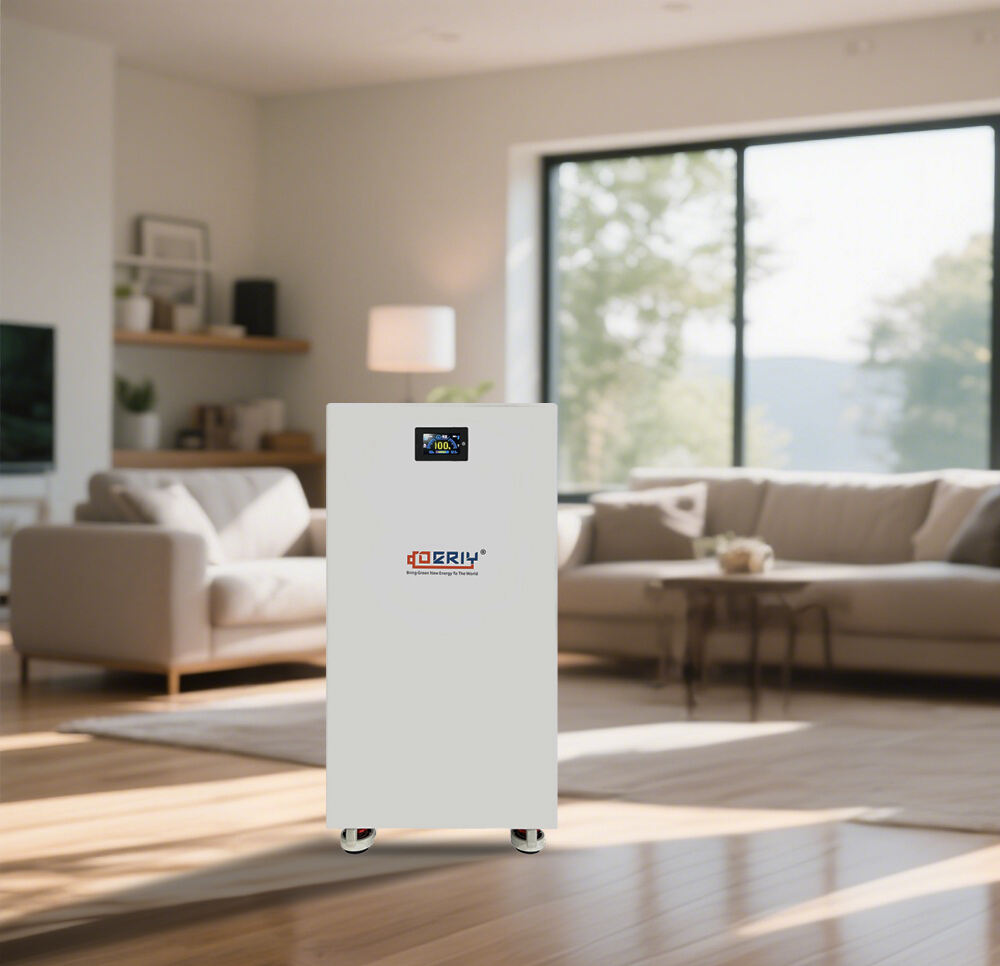
A critical yet often overlooked aspect of solar battery ownership is the end-of-life management and recycling process. Responsible manufacturers are committed to a circular economy approach, designing products with recyclability in mind. The constituent materials of a solar battery, including lithium, cobalt, nickel, copper, and aluminum, are valuable and can be recovered through specialized recycling processes. These processes typically involve safely discharging the battery, mechanically shredding the components, and then employing hydrometallurgical or pyrometallurgical techniques to separate and purify the metals for reuse in new batteries or other products. Proper recycling prevents hazardous materials from entering landfills and reduces the environmental impact of mining for virgin materials. As the first generation of modern solar batteries approaches the end of its useful life, a robust recycling infrastructure is being developed globally. When selecting a solar battery, it is prudent to inquire about the manufacturer's take-back or recycling program. Understanding the full lifecycle of the product, from cradle to grave, is a key part of a sustainable energy decision. For information on our commitment to sustainability and our policies regarding product end-of-life, we encourage you to contact us for detailed documentation.