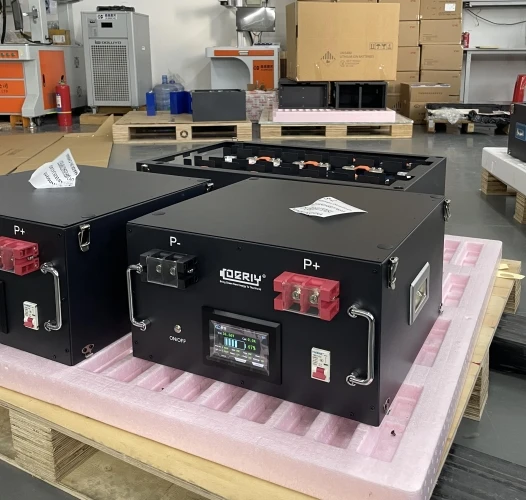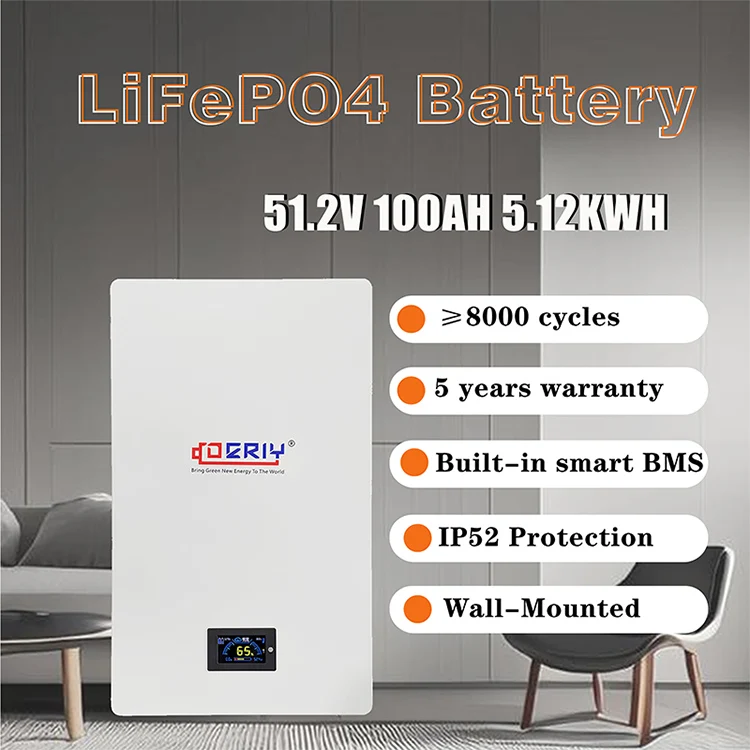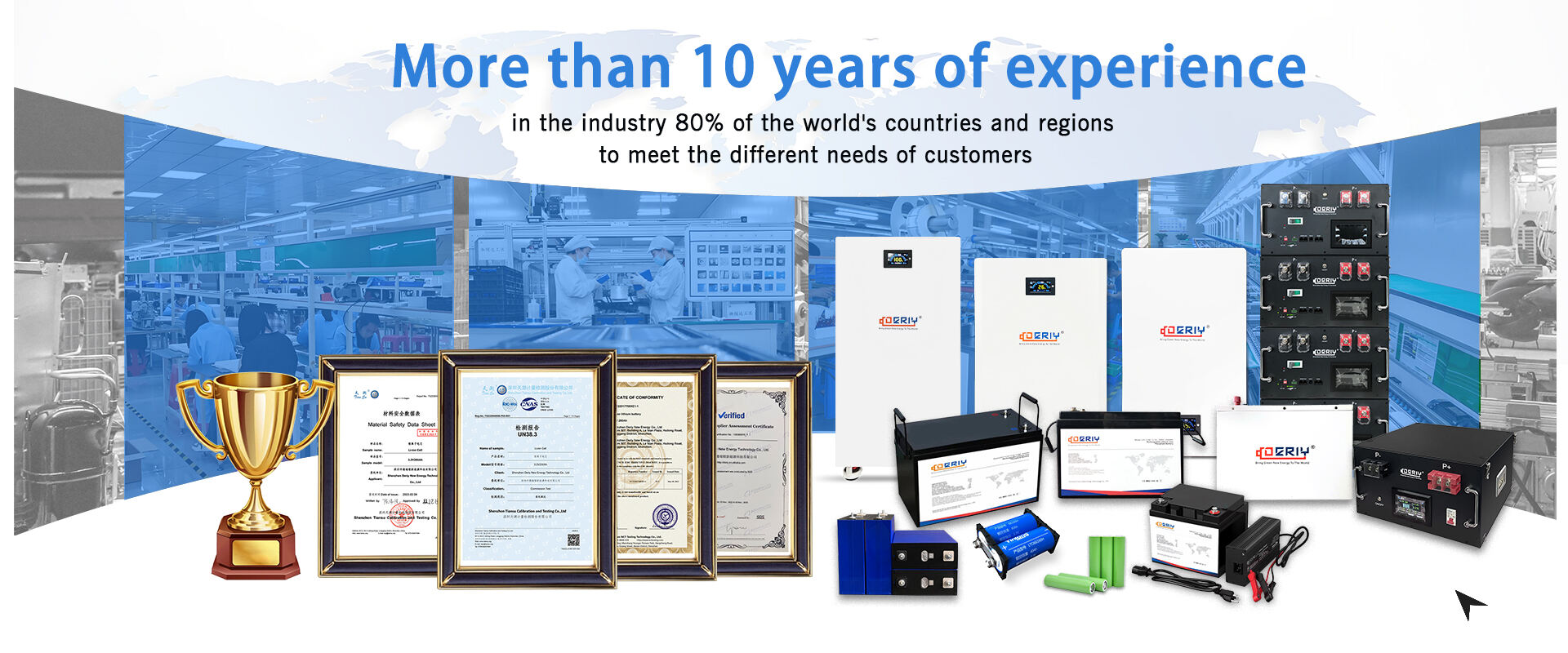

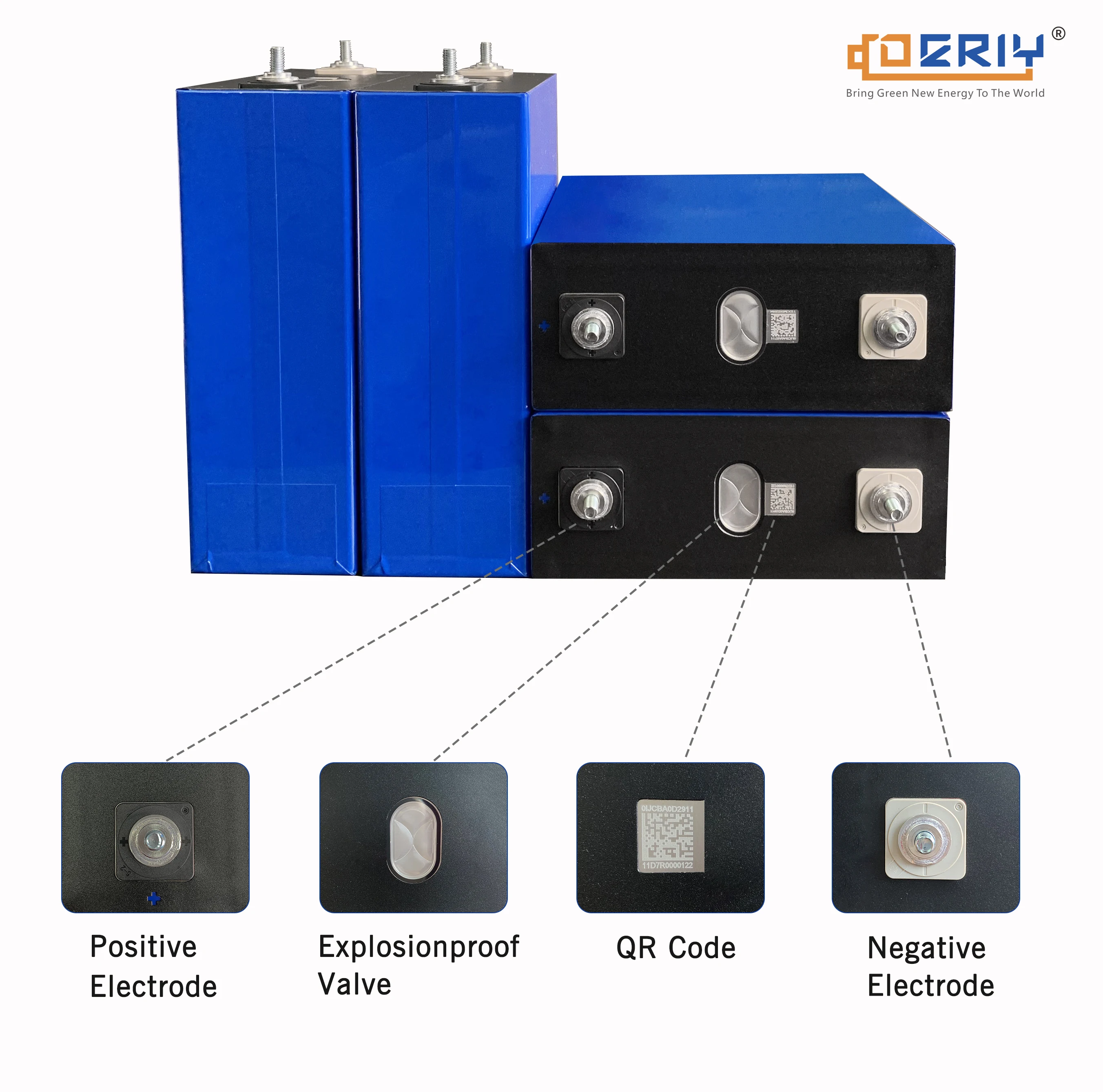
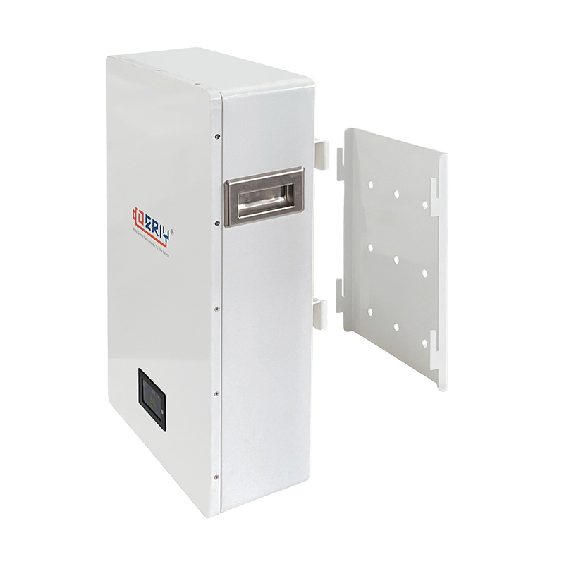
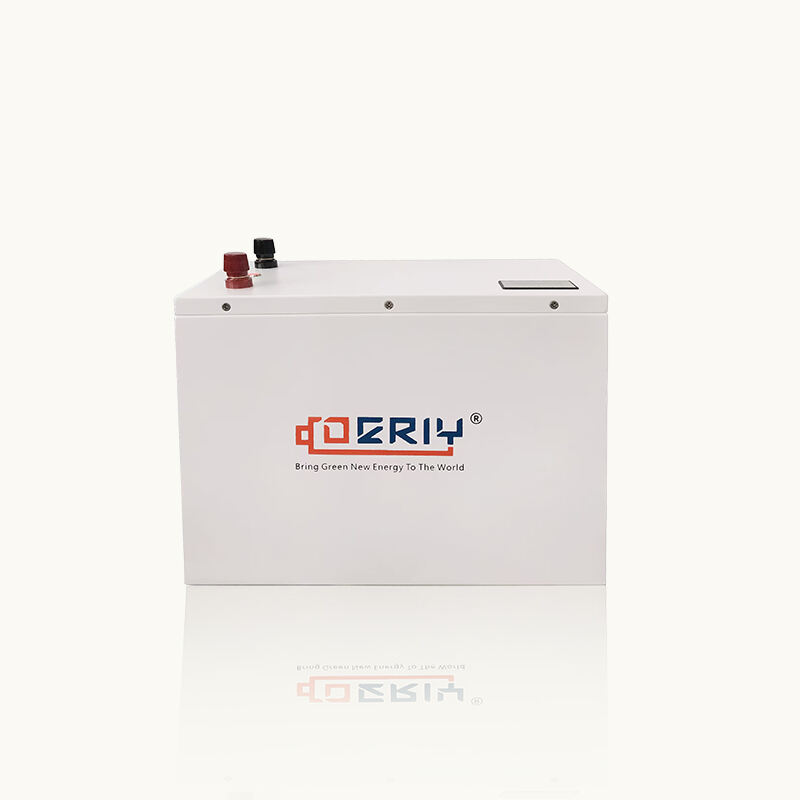
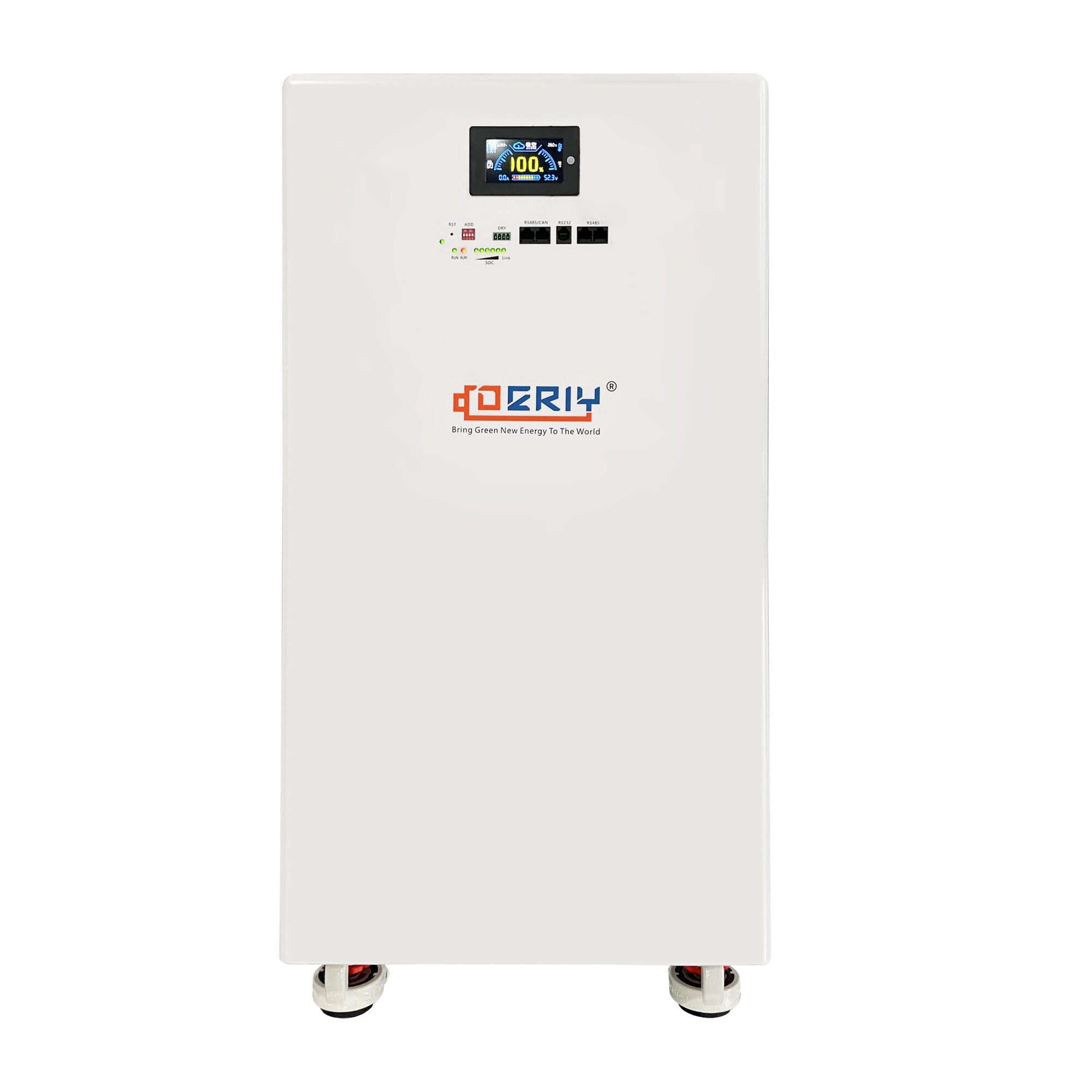
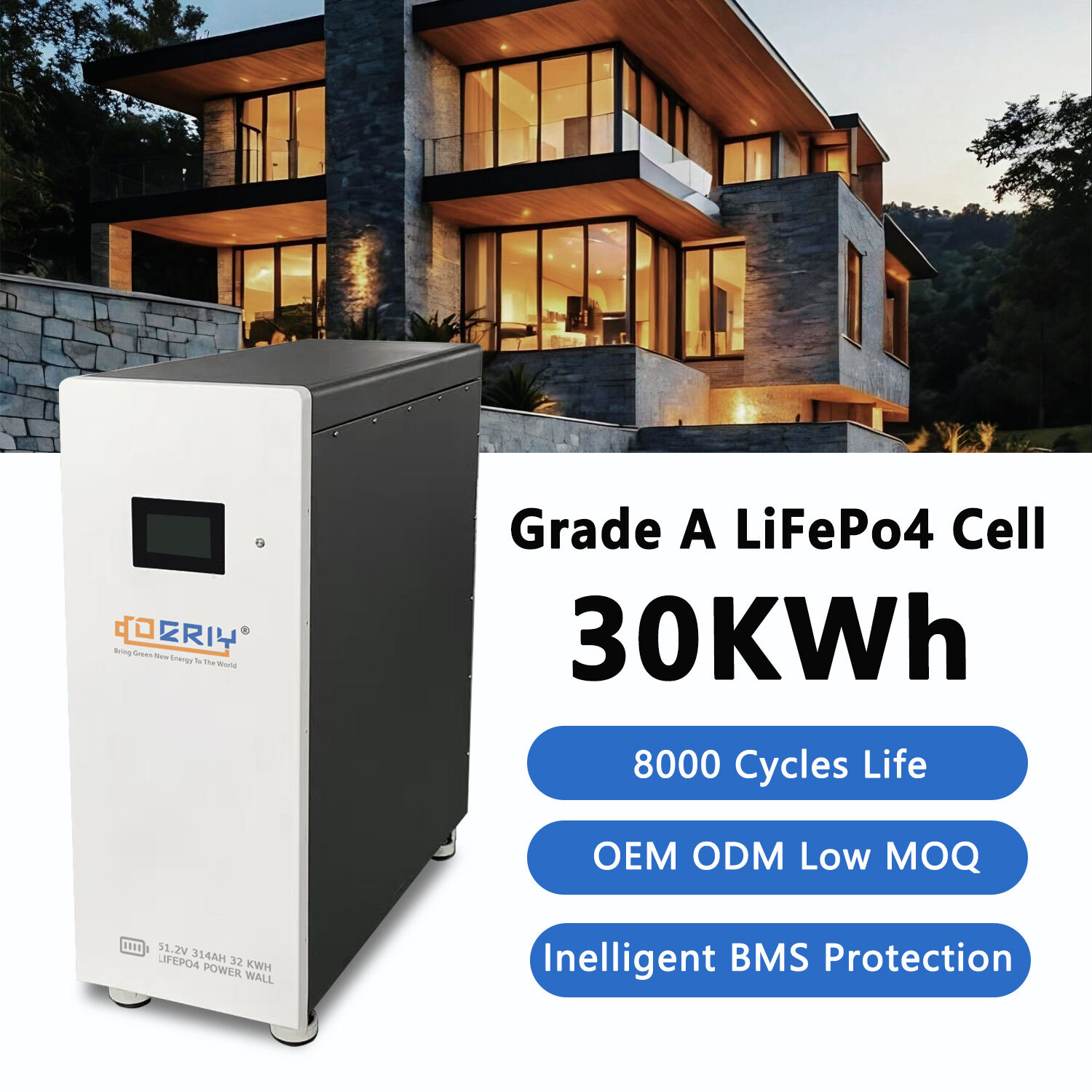
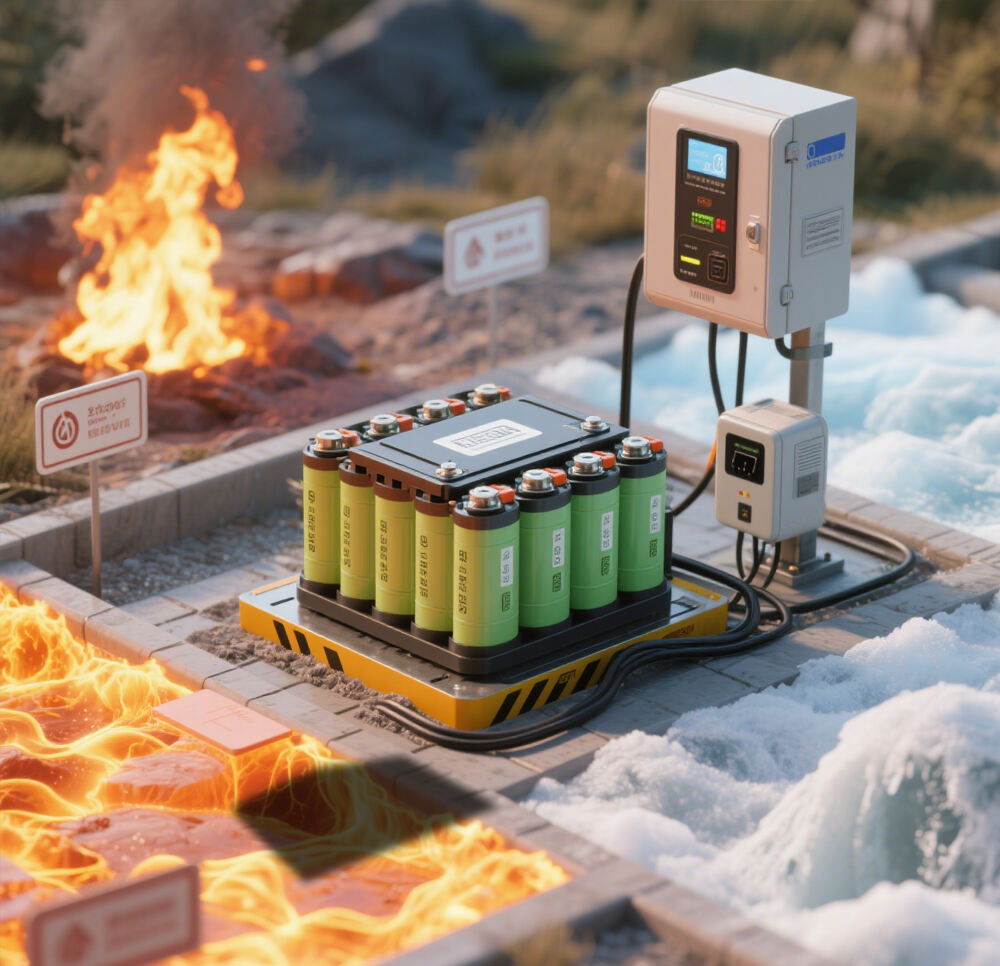
The safety engineering embedded within a modern solar battery system is multi-layered and designed to prevent, contain, and manage potential hazards. At the cell level, chemistries like Lithium Iron Phosphate (LiFePO4) are inherently more stable and less prone to thermal runaway than others. Each battery module is equipped with a Battery Management System, an onboard computer that continuously monitors critical parameters including cell voltage, temperature, and current. The BMS enforces safe operating limits by disconnecting the battery in case of overvoltage, undervoltage, overcurrent, or short circuit. It also ensures cell balancing, promoting longevity and consistent performance. At the pack or system level, physical safety features include robust, fire-retardant enclosures, pressure relief vents, and integrated thermal management systems—either passive cooling or active liquid cooling—to maintain the optimal temperature range. Furthermore, the installation must adhere to national and local electrical codes, which specify requirements for proper grounding, overcurrent protection, and clear working space around the equipment. For ultimate safety, it is imperative that installation is performed by a qualified professional. To receive detailed safety certifications and installation guidelines for our products, we invite you to get in touch with our technical support department.