
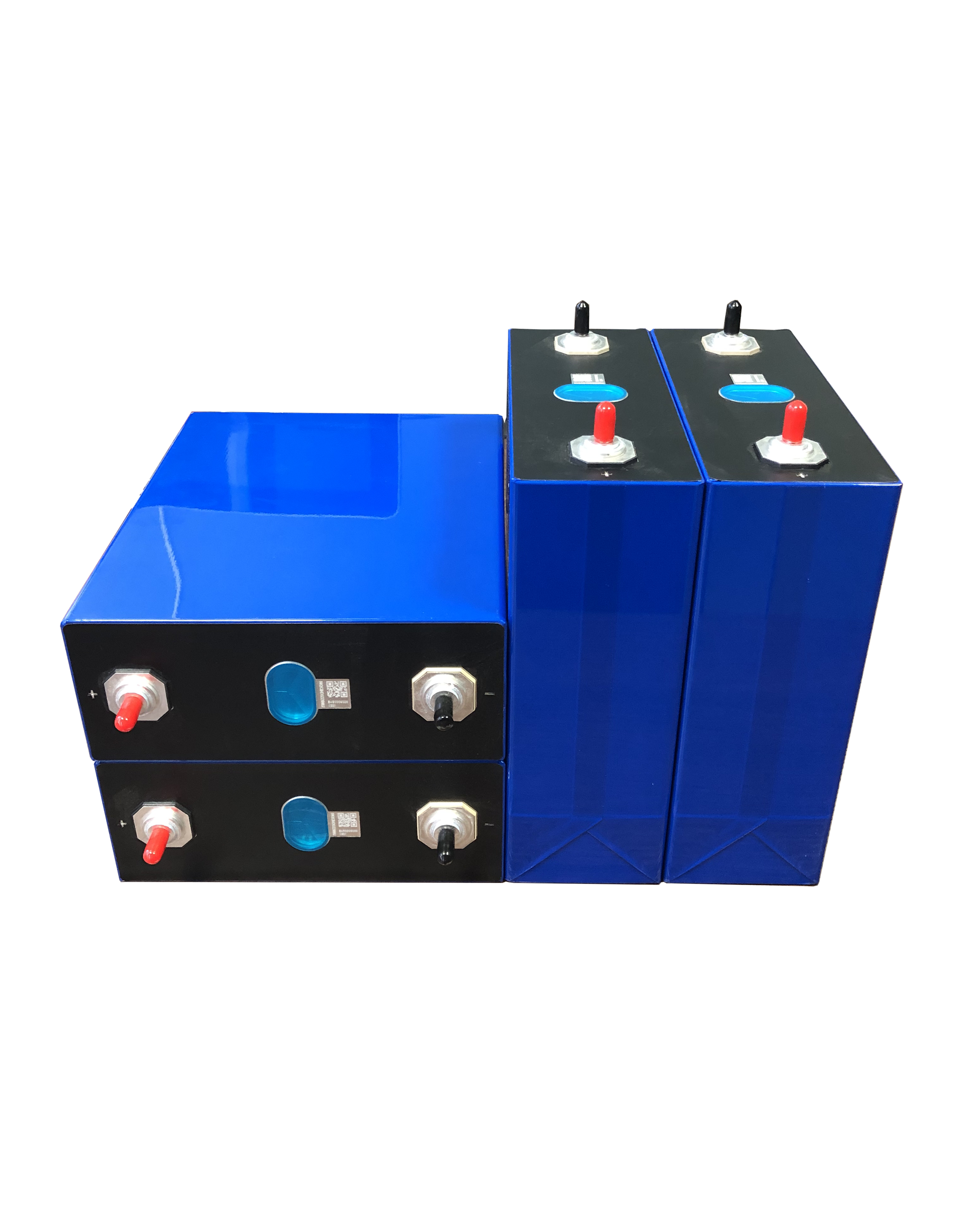
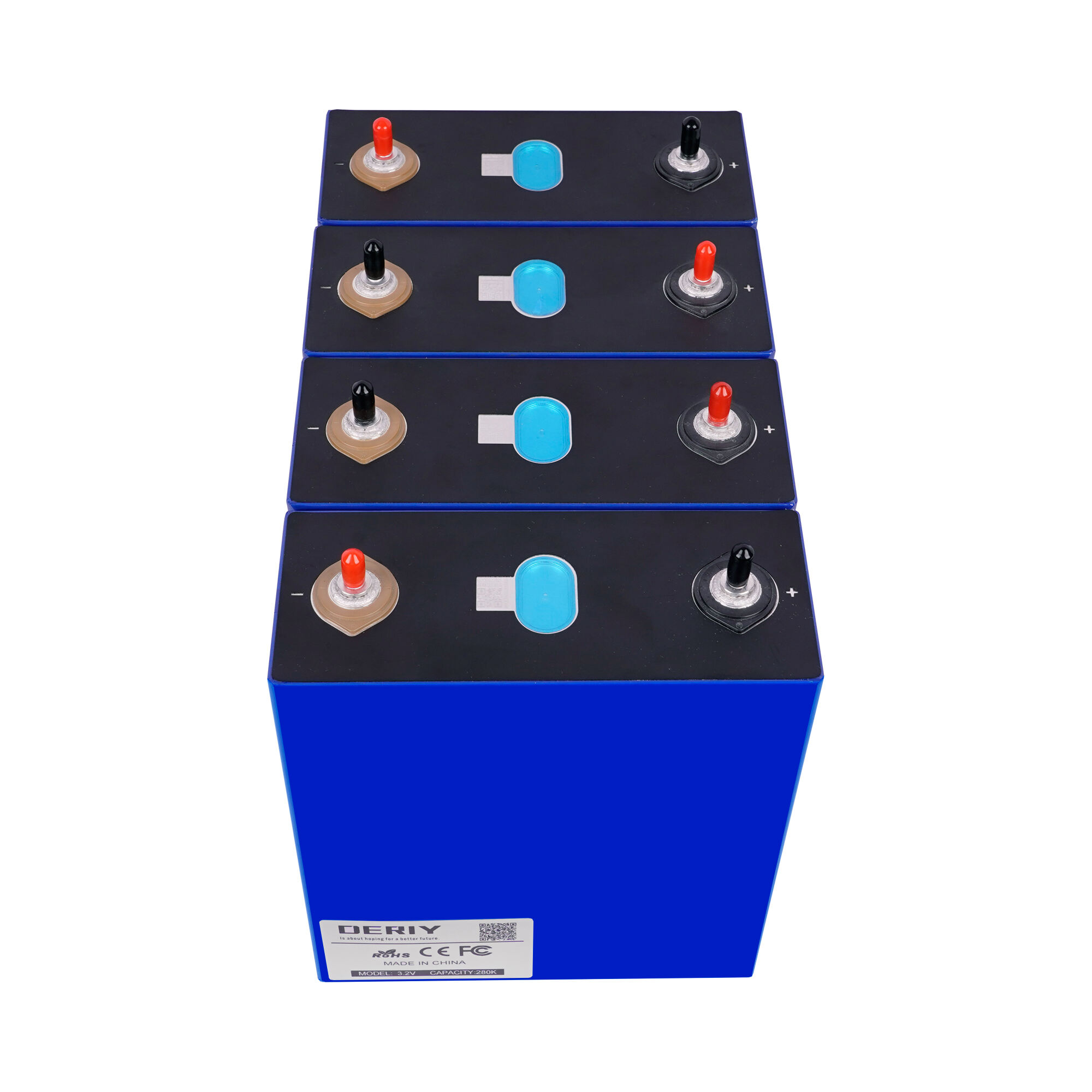
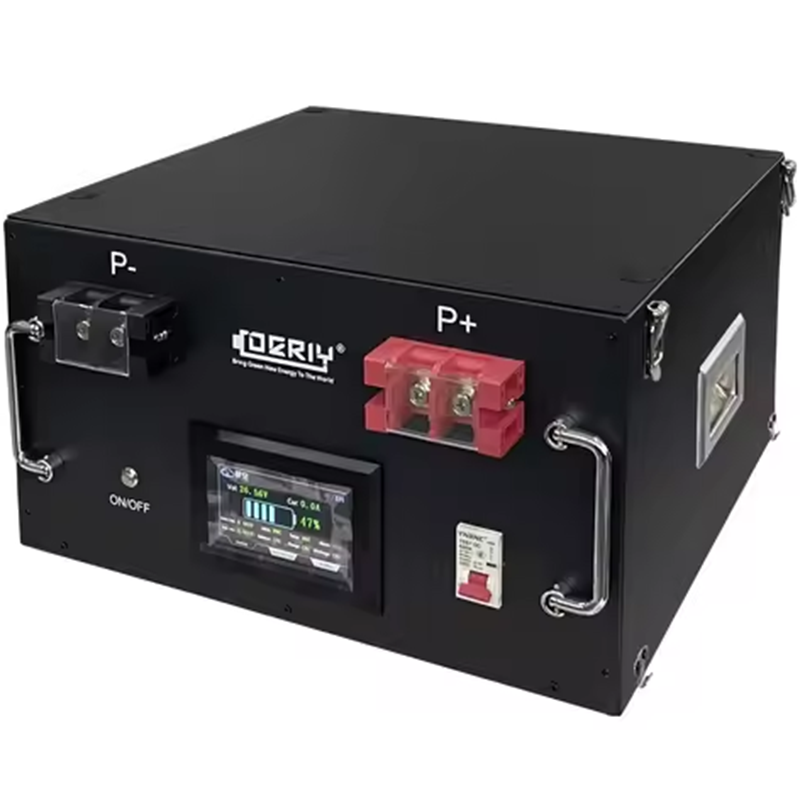

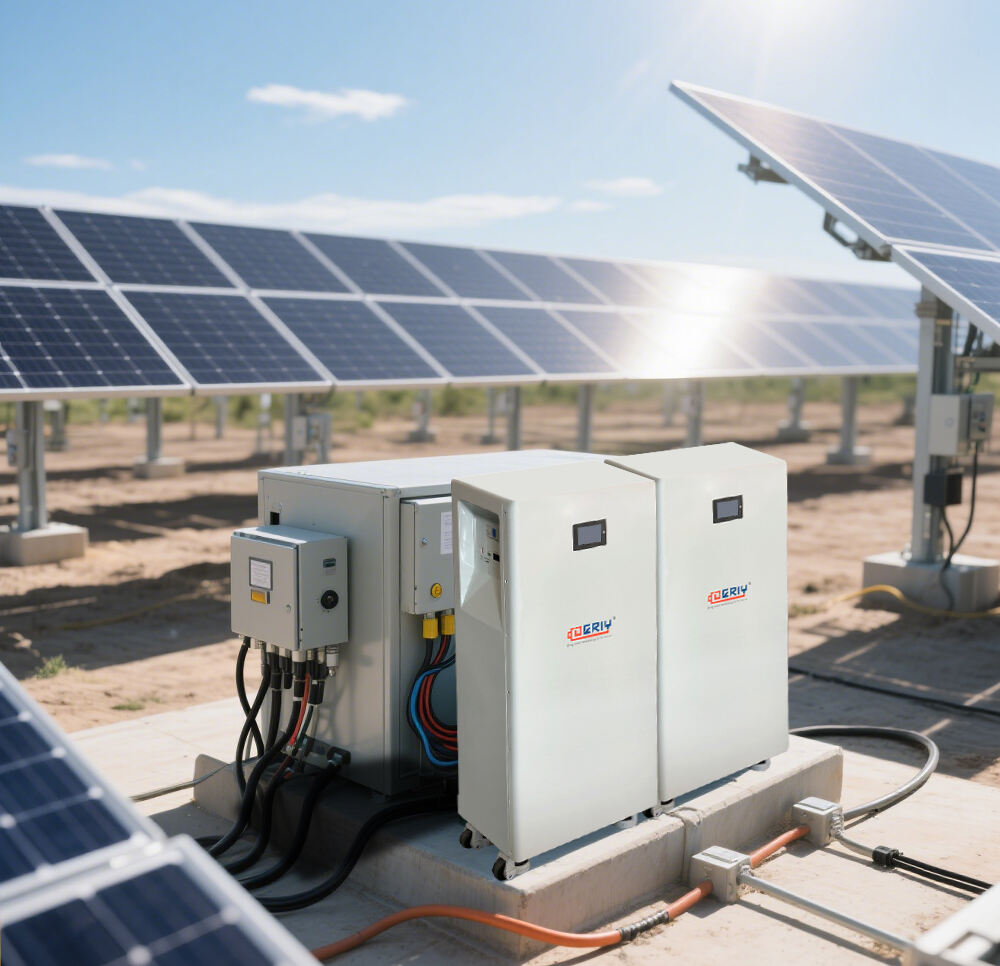
The financial appraisal of a solar battery investment involves a detailed analysis of its lifecycle costs and benefits. The initial capital outlay includes the cost of the battery units, the compatible inverter, and the installation labor. Against this cost, one must model the stream of financial benefits over the system's lifetime. These benefits include reduced electricity bills from higher self-consumption, avoidance of demand charges for commercial users, potential revenue from grid services programs, and the value of increased resilience against power outages. The calculation is highly sensitive to local electricity rates, solar production patterns, available incentives, and the specific performance specifications of the battery, such as its round-trip efficiency and degradation rate. A key metric is the Levelized Cost of Storage, which expresses the cost per kWh of electricity discharged from the system over its lifetime, allowing for easy comparison between different storage technologies. While payback periods were historically long, rising grid electricity prices and falling storage costs are making solar batteries an increasingly attractive financial proposition in many markets. To obtain a transparent and detailed financial model projecting the costs, savings, and return on investment for a system tailored to your profile, we encourage you to request a customized economic analysis from our team.