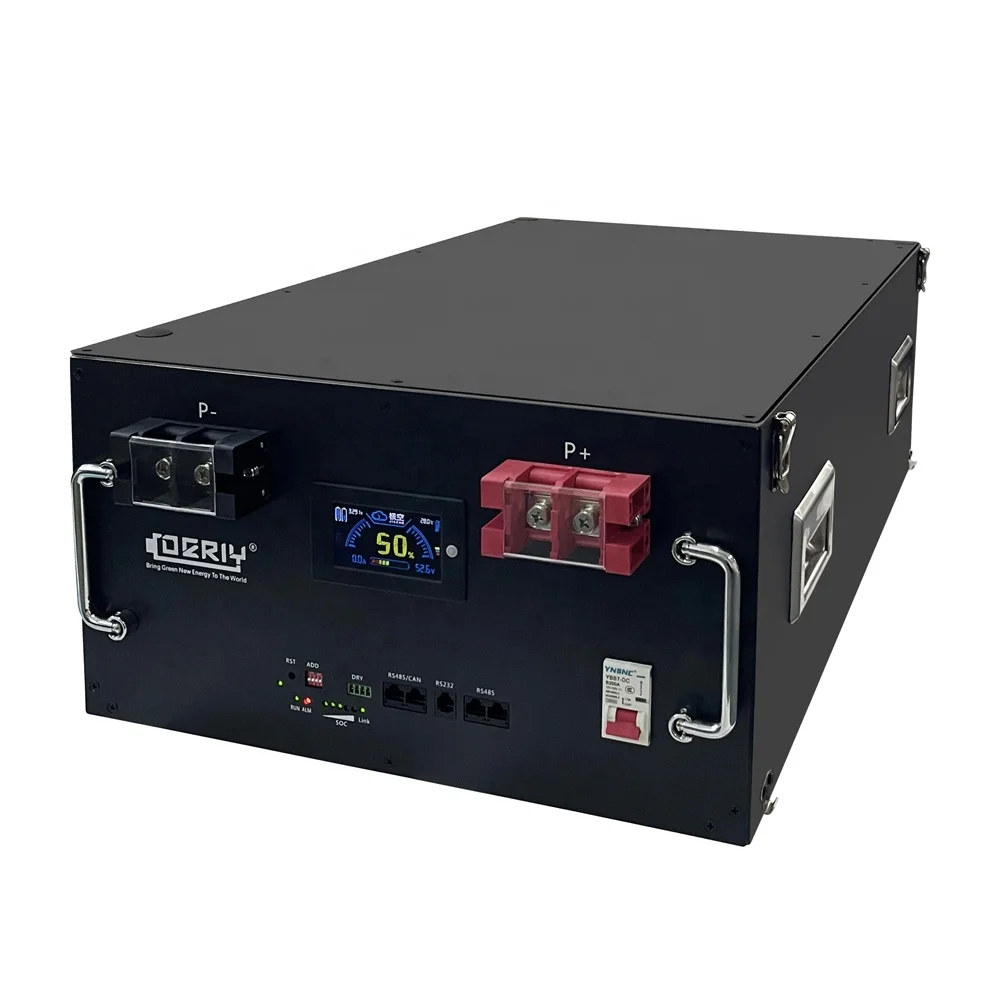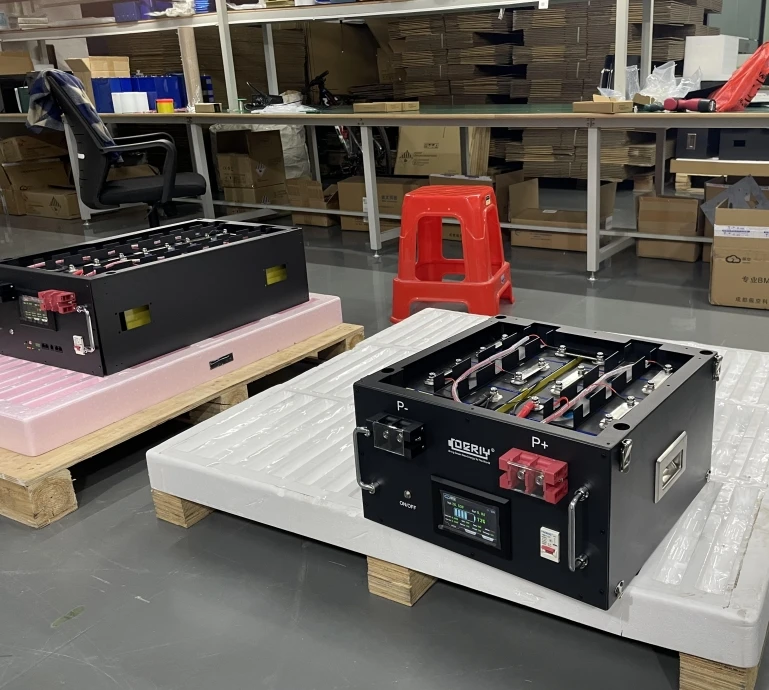


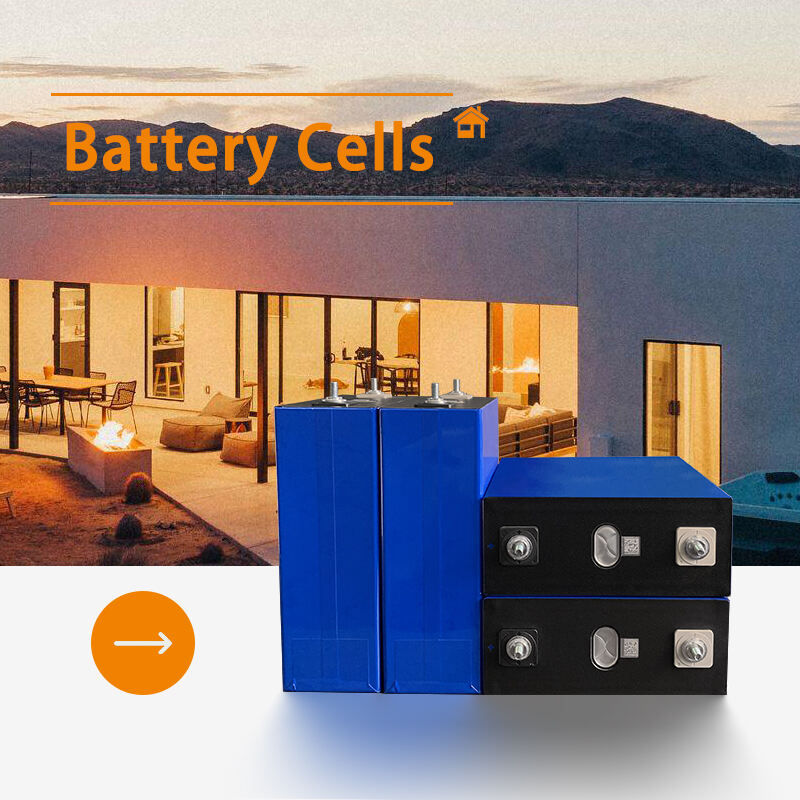
The installation and integration of a solar battery into an existing or new solar photovoltaic system require meticulous planning and professional expertise. Key technical considerations include the system architecture: whether it will be an AC-coupled or DC-coupled system. AC-coupled systems offer greater flexibility for retrofitting to existing solar arrays, as the battery connects to the AC side of the electrical panel. DC-coupled systems can be more efficient for new installations, as the solar power directly charges the battery without multiple AC-DC conversions. The choice of a hybrid inverter, which manages both solar generation and battery storage, or a separate battery-specific inverter is another critical decision. Proper sizing of the conductors, fusing, and disconnects as per electrical codes is paramount for safety. The physical location of the battery must be carefully selected, considering factors such as ambient temperature, ventilation, accessibility for maintenance, and clearance requirements. A professional installer will conduct a thorough site assessment, create a detailed electrical diagram, and ensure the entire system is compliant with local utility interconnection standards and building codes. For a seamless and code-compliant integration of a solar battery into your energy system, we recommend consulting with our network of certified installation partners. Please contact us to be connected with a professional in your area.