

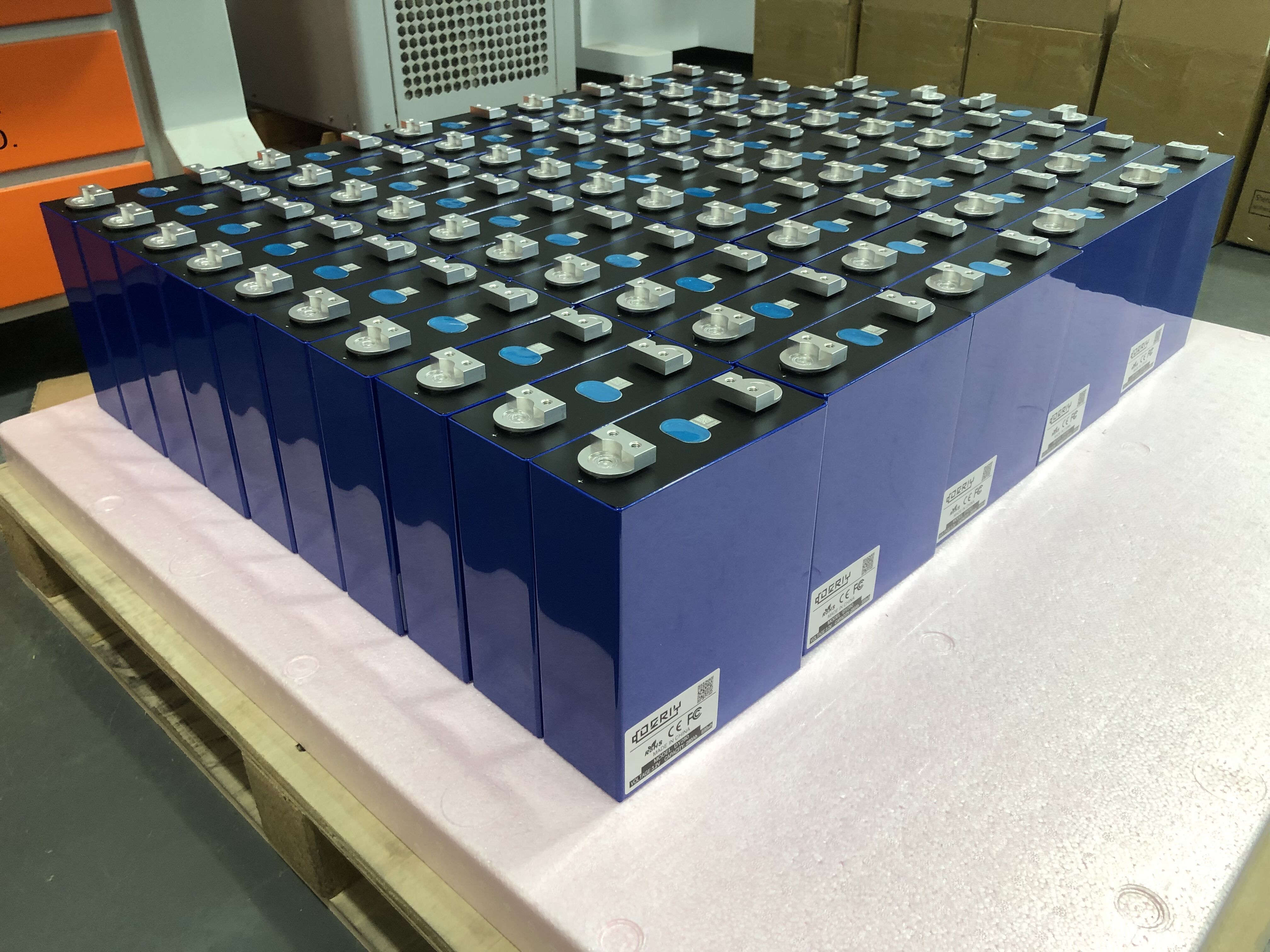
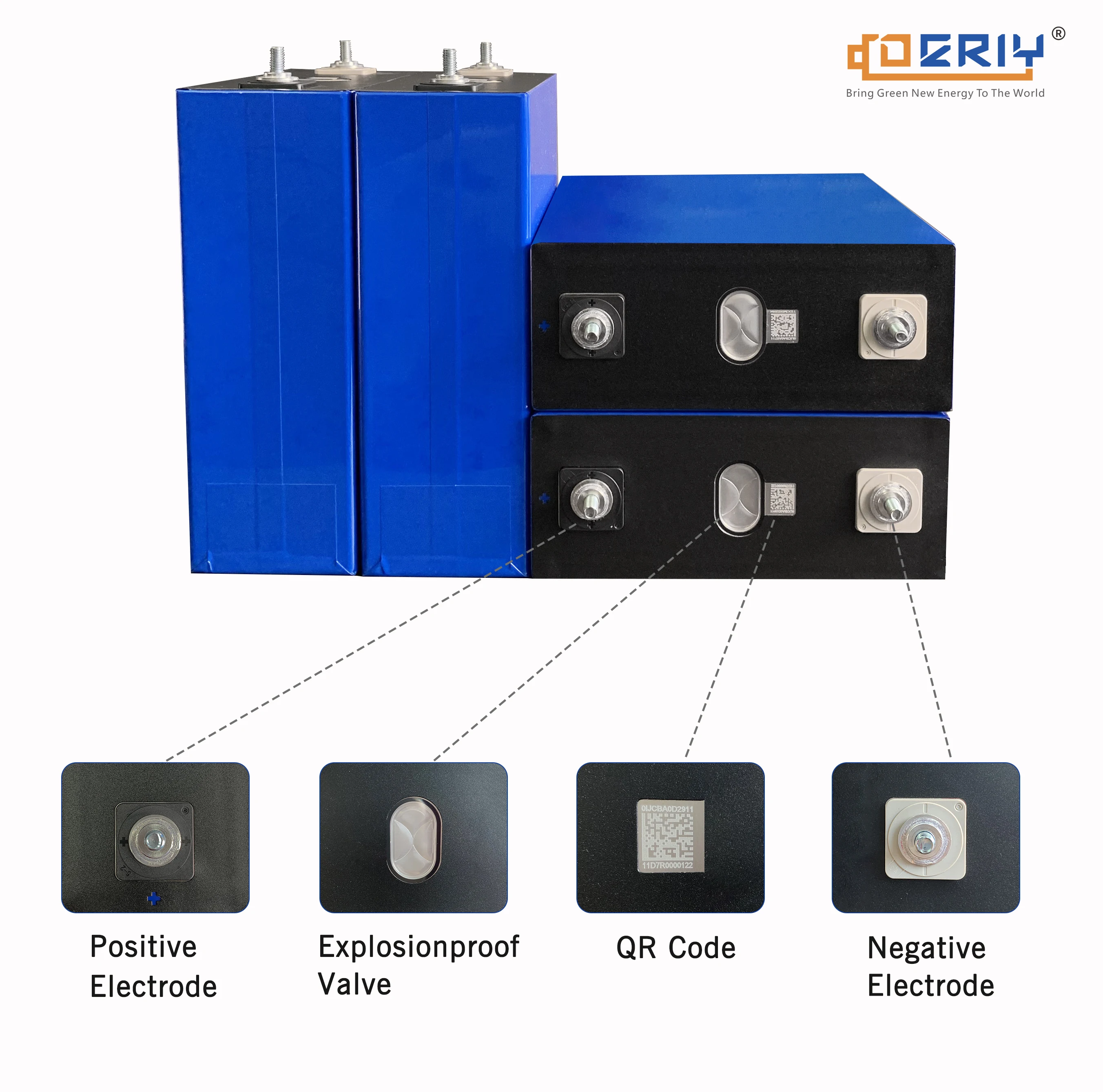
Sizing a solar battery system is a fundamental engineering task that balances current energy needs, future aspirations, and budget constraints. For a grid-tied system with backup capability, the process begins with a detailed analysis of the site's historical electricity consumption, typically using 12 months of utility bills. The next step is to identify the "critical loads"—the essential circuits that must remain powered during an outage. The power draw and energy consumption of these critical loads determine the required inverter power rating and the usable battery capacity needed to support them for a desired duration. A common mistake is to oversize the system for infrequent, long-duration outages, which can make the project economically unviable. A more nuanced approach involves sizing for frequent, shorter outages while potentially including a provision for generator integration for extreme events. Future-load planning is also critical; the anticipated addition of an electric vehicle or a heat pump should be factored into the sizing exercise. An accurately sized system delivers optimal value and performance. To ensure your solar battery system is perfectly tailored to your load profile and resilience requirements, we strongly advise a professional load analysis. Please contact us to initiate this essential first step.