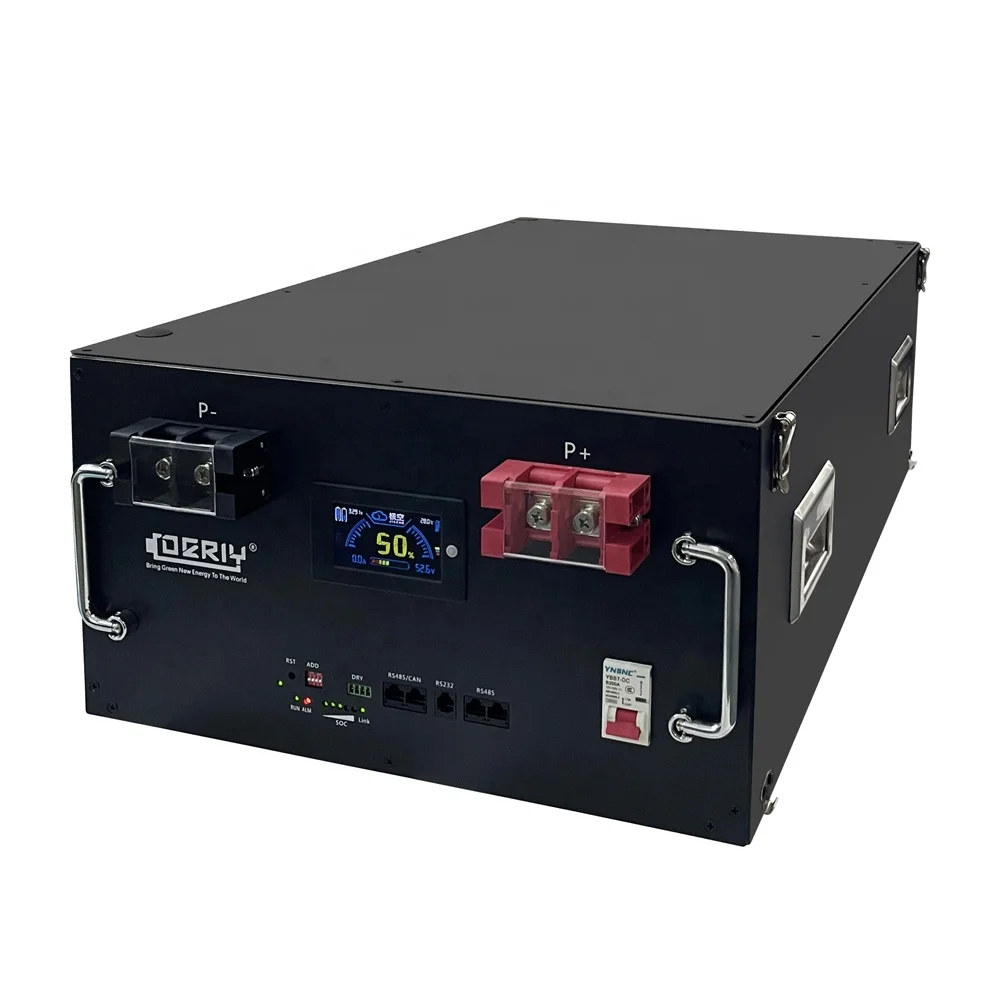

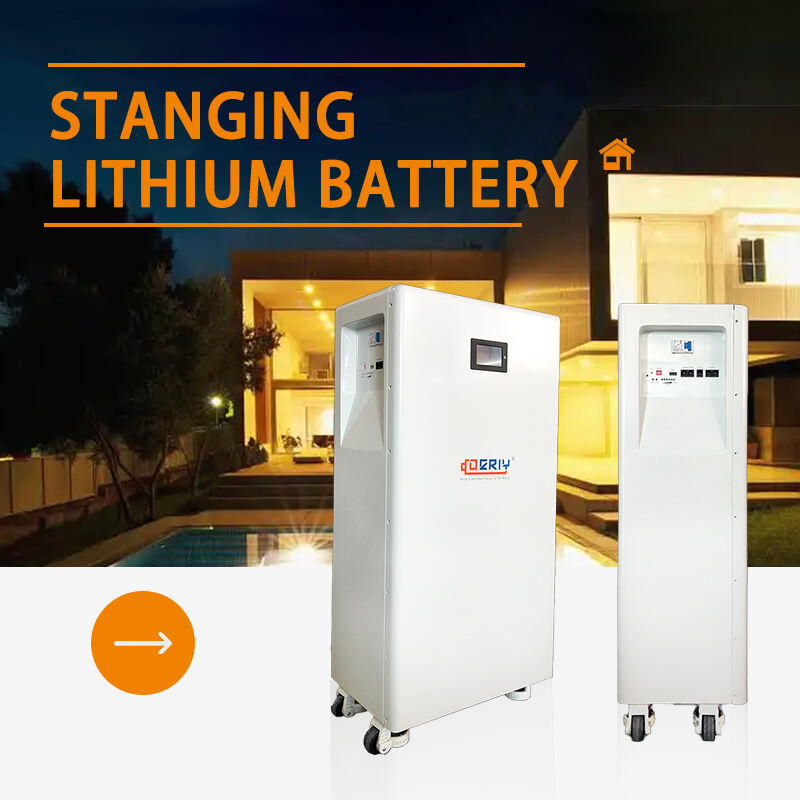
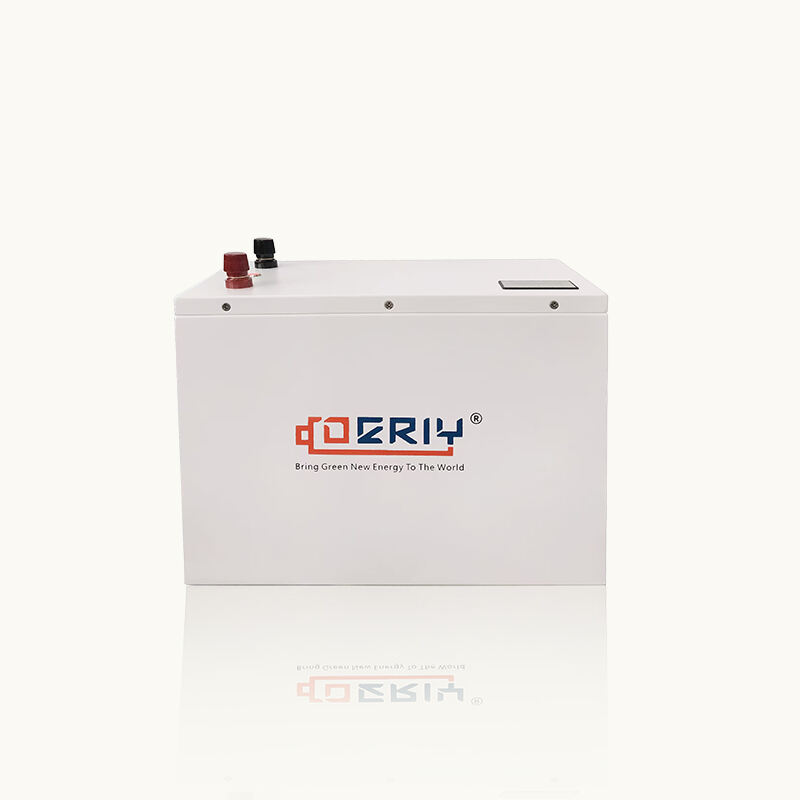
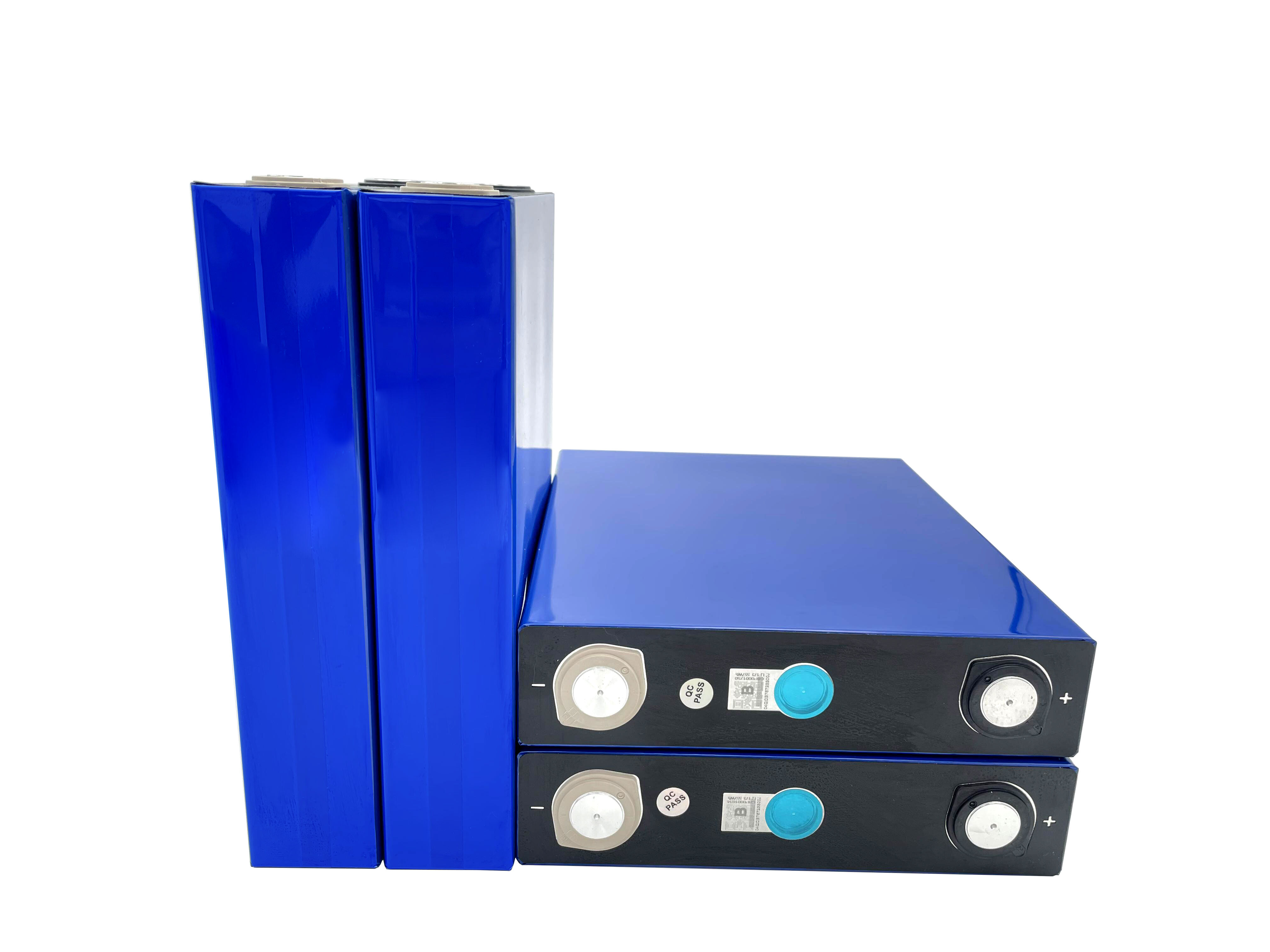
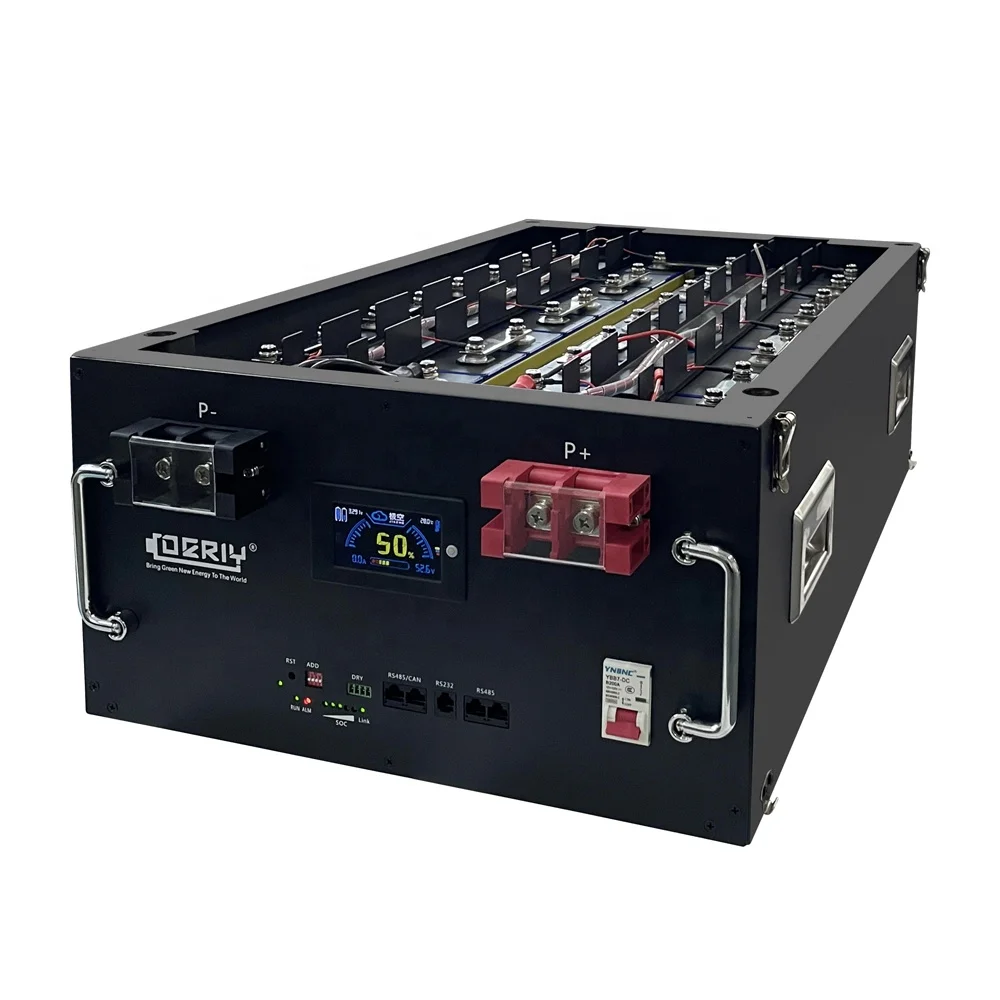
Within the broader context of the smart grid and decentralized energy systems, the solar battery acts as a dynamic node for energy management. Advanced solar batteries are equipped with sophisticated Battery Management Systems that communicate with solar inverters and energy monitoring software. This enables homeowners and facility managers to engage in strategic energy arbitrage—charging the battery when electricity rates are low or when solar production is high, and discharging it during peak tariff periods to avoid costly grid electricity. This not only optimizes individual energy costs but also contributes to grid stability by flattening the demand curve. In commercial and industrial applications, large-scale solar battery installations can participate in demand charge management, where they discharge power during short periods of peak facility demand to avoid significant utility penalties. Furthermore, aggregated networks of solar batteries can form virtual power plants, providing grid services such as frequency regulation and peak capacity to utility companies. The operational intelligence of a modern solar battery system is therefore a critical asset, transforming a passive consumer into an active prosumer. The specific communication protocols and software platforms compatible with your envisioned energy system are a key consideration; we recommend contacting our specialists to discuss the smart features and grid-interactive capabilities available.