
 EN
EN
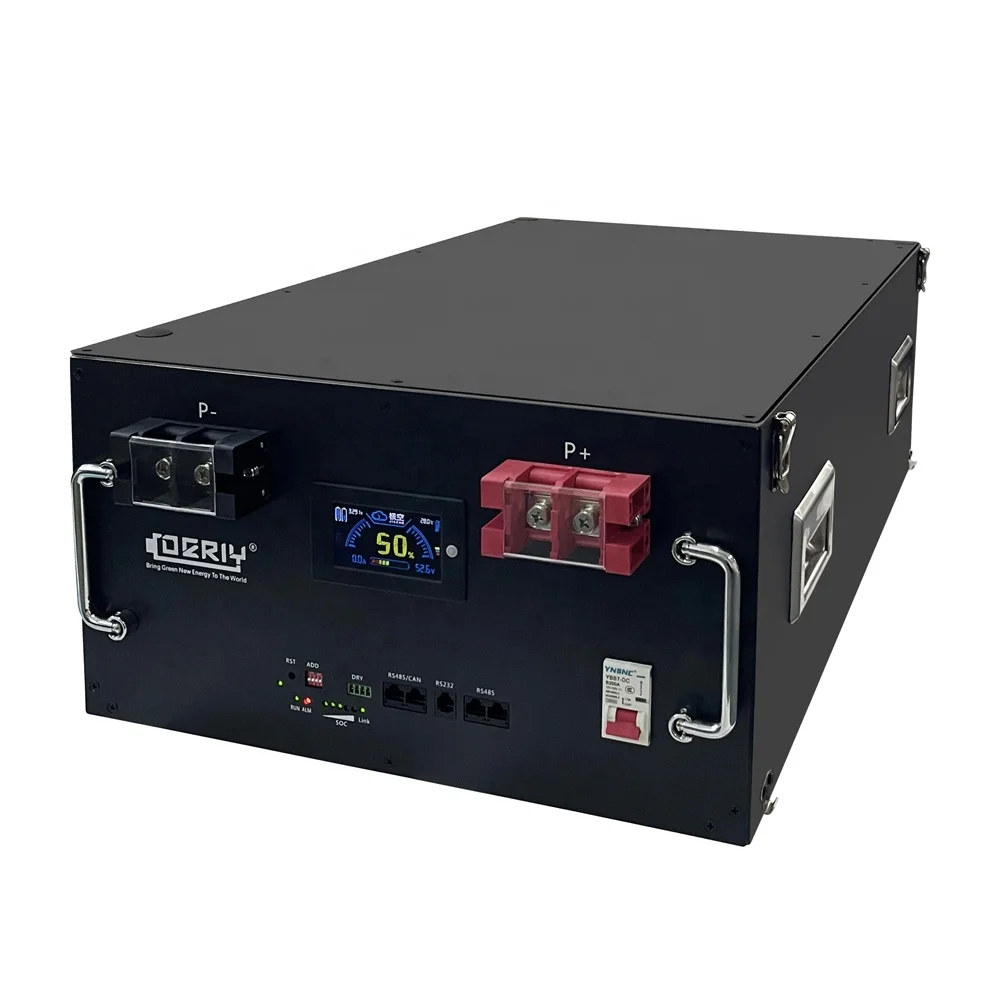
Why a 15kWh Stackable Lithium Battery Pack Is Ideal for Residential Solar Backup
Matching Real-World Energy Demand: Average U.S. Home Load + 3-Day Resilience Target
Most American homes use around 30 kilowatt hours each day, says the U.S. Energy Information Administration. If there's a power cut lasting three days, people need about 100 kWh stored somewhere safe to keep things running basic stuff like lights on and food cold. Lithium iron phosphate or LFP batteries can be discharged up to 90 percent before needing recharge, so when someone gets a 15kWh battery, they actually get about 13.5 kWh worth of real usable power each time it cycles. That's why many folks start with just one 15kWh battery pack for their most important appliances first refrigerators, maybe some lights. Then later, as families grow or weather gets worse, they simply add another 15kWh module, making sure they never have too much storage sitting idle but still enough to handle whatever comes next during those unpredictable blackouts we all hope won't happen but somehow always do.
| Backup Configuration | Essential Load Coverage | Estimated Duration |
|---|---|---|
| Single 15kWh unit | Refrigeration + lighting | 24–48 hours |
| Two stacked units | HVAC + critical systems | 2–3 days |
| Three stacked units | Full household operation | 3+ days |
The Scalability Advantage: How 15kWh Enables Phased, Cost-Effective System Growth
With its 15kWh stackable setup, this system actually delivers on scalability rather than just talking about it. Traditional batteries force people into all-or-nothing purchases, but this approach lets households begin with what they need now and expand later as their situation changes. Maybe they want to add electric vehicle charging next year, or perhaps they're renovating their home and need extra power for new appliances. The beauty lies in how each additional module slots right in thanks to standard connectors and smart communication between units. This keeps everything balanced both electrically and thermally throughout the whole stack. According to research done at the National Renewable Energy Lab, going modular saves homeowners around 25 to 40 percent over time compared to buying one big system upfront. The savings come mainly from not spending money immediately when battery prices tend to drop steadily year after year.
Key Technical Requirements for a True 15kWh Stackable Lithium Battery Pack
LFP Chemistry, Depth of Discharge, and Cycle Life Benchmarks
When it comes to residential energy storage, lithium iron phosphate or LFP stands out as the safest option for long term stacking solutions. What makes LFP special? Well, it has remarkable thermal stability properties. The temperature at which thermal runaway starts goes way beyond 270 degrees Celsius, so even when batteries are stacked closely together, there's no risk of one failure spreading to others. Plus, LFP can handle deep discharges down to 90% depth of discharge, and manufacturers have tested them through over 6,000 charge cycles while maintaining 80% of their original capacity. That translates to around 15 years of reliable service for everyday solar backup needs. Another key feature is the built-in Battery Management System that keeps track of each individual cell's voltage within every stacked unit. This prevents those annoying capacity losses over time and maintains performance consistency month after month. All these characteristics combined mean we're talking about real stackable batteries here, not just boxes that happen to fit on top of each other.
| Feature | LFP Advantage | Impact on 15kWh Stackable Systems |
|---|---|---|
| Cycle Life | 6,000+ cycles @ 80% retention | 34% lower lifetime cost vs NMC |
| Thermal Runaway | Onset at 270°C+ | Eliminates fire propagation risks |
| DoD Tolerance | 90% without penalty | 22% more usable energy per cycle |
Thermal Management and UL 9540A Certification for Safe Stacking
Proper stacking isn't just about letting things cool down passively; we need actual thermal containment engineering. Systems rated at 15kWh and above typically feature complex airflow designs plus active liquid cooling mechanisms that adjust their flow depending on what's happening with the load and surrounding temperatures right now. Keeping temperatures stable between 25 and 35 degrees Celsius is essential, and ideally no more than 2 degrees difference between adjacent units for long term reliability and safety reasons. UL 9540A certification has become absolutely necessary these days because it proves how well a system can resist fires when things go really wrong thermally. The standard demands that any potential fire gets contained within 15 minutes maximum, which means manufacturers must include special flame resistant materials and built-in pressure relief paths between modules. Looking at the latest data from the U.S. Energy Storage Incident Database released in 2023 shows something alarming: stacks without proper certification fail around 68% more often than certified ones, and batteries lose about 15% of their capacity each year if thermal management isn't handled correctly.
Integration Compatibility: Ensuring Your 15kWh Stackable Lithium Battery Pack Works with Existing Solar Hardware
DC-Coupled vs. AC-Coupled Architectures and Their Impact on Stackable Pack Efficiency
The way solar panels are connected determines just how well a 15kWh stackable battery will work together with them and scale over time. With DC coupled setups, the electricity from the panels goes straight into the battery without needing to convert it first, resulting in about 94 to 97 percent efficiency when storing and then retrieving power later on. These systems reduce those pesky losses that happen every time we switch between different forms of electricity, which makes them particularly good choices when multiple batteries need to be stacked together since small losses can add up fast. On the other hand, AC coupled configurations require converting sunlight into regular household current (AC) first before turning it back into direct current (DC) again for storage purposes. This extra step brings down overall efficiency to around 85 to 90 percent instead. When dealing with lots of simultaneous demands from several stacked units, this difference matters quite a bit because it creates more heat buildup inside components and might cause some parts to slow down prematurely under pressure. Most professionals recommend going with DC coupling whenever setting up something new or doing significant upgrades simply because it helps maintain stable voltages while getting better value out of each additional battery added to the system.
Inverter Ecosystem Alignment: Generac PWRcell, Enphase IQ Battery 5P, and Tesla Powerwall+ Readiness
Getting systems to work together smoothly depends more on how they communicate at the protocol level than whether they physically fit together. The top hybrid inverters out there like Generac's PWRcell system, Enphase's IQ Battery 5P model, and Tesla's Powerwall+ all need pretty strict requirements met. They want specific voltage ranges usually around 48 volts or above, proper communication between battery management systems using either CANbus or Modbus standards, plus certain firmware checks need passing too. For those third party 15kWh stackable battery packs, don't fall for generic plug and play promises. These packs really need official compatibility papers from the manufacturer themselves. When expanding setups, look for inverters with auto sensing tech that can automatically detect new components and negotiate parameters as needed. Also double check that UL 9540A safety certification covers complete stacked systems rather than just individual units standing alone. And before wrapping up installation, make sure to run real world tests where the grid fails under actual load conditions. This confirms everything switches over properly and keeps running long enough when needed most.
FAQ
What is a 15kWh stackable lithium battery pack?
A 15kWh stackable lithium battery pack is a modular energy storage solution that allows for scalability, enabling homeowners to start with one module and add more over time as needed.
Why is lithium iron phosphate (LFP) used in these batteries?
LFP is chosen for its thermal stability, safety, and long cycle life, making it ideal for reliable residential solar backup systems.
How do DC-coupled and AC-coupled architectures affect battery efficiency?
DC-coupled architectures are typically more efficient, as they avoid conversion losses that occur in AC-coupled systems.
What certifications are important for battery packs?
UL 9540A certification is crucial for verifying safety and performance in stacked configurations, ensuring fire containment and proper thermal management.