
 EN
EN
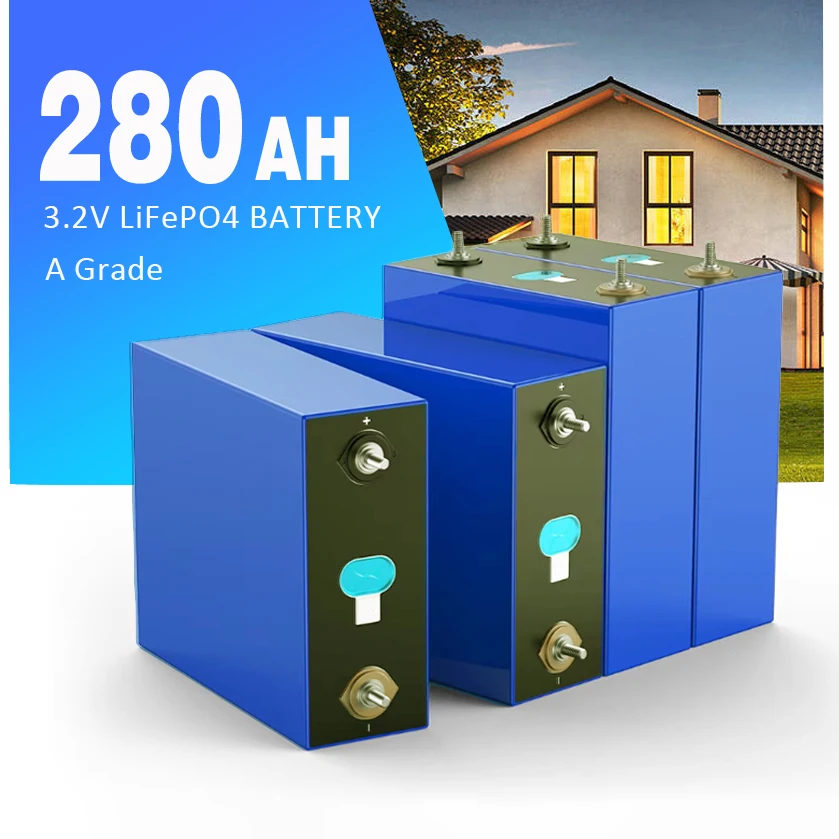
Why LFP Chemistry Enables 6000+ Cycles in Solar Storage
Structural stability of LiFePO4 cathodes during deep cycling
Lithium iron phosphate batteries have this special olivine crystal structure that makes them really tough against mechanical stress when they go through all those charge and discharge cycles. Layered oxide cathodes like NMC tend to expand and contract quite a bit during operation, sometimes changing volume by around 10 to 15 percent. But LFP barely moves at all, with structural changes below 3%. Because of this rock solid stability, the battery particles don't crack, electrodes stay intact, and there's no weird phase changes happening inside. The result? These batteries can handle thousands of deep discharge cycles, maintaining most of their original capacity even after 6,000 times through the process. The folks at the US Department of Energy's Battery Tech Office actually point out that this kind of structural consistency is what keeps LFP batteries going strong in solar storage systems that need to cycle every single day.
Low voltage hysteresis and thermal resilience reducing degradation
LFP chemistry has much lower voltage hysteresis around 20 to 30 millivolts compared to about 50 to 100 millivolts for NMC. This difference means less heat buildup during operation and fewer problems with thermal stress over time. Another big plus is the higher thermal runaway threshold for LFP batteries, which stands at approximately 270 degrees Celsius versus only 150 to 200 degrees for NMC counterparts. This makes them safer and longer-lasting when put through their paces in actual use scenarios. According to research conducted by the National Renewable Energy Lab, LFP systems running between 15 and 35 degrees Celsius ambient temperature last nearly 90 percent longer in terms of charge cycles than other battery types. What really sets LFP apart is its broad electrochemical stability range that keeps those pesky side reactions at bay, slowing down the formation of SEI layers on electrodes something most batteries struggle with. All these factors together explain why we see commercial solar setups using LFP batteries routinely reaching over 6,000 full charge cycles even when discharged to 80% capacity regularly.
System Design Requirements to Achieve Real-World 6000+ LFP Cycles
Optimal depth of discharge (≤50% DoD) and its impact on cycle longevity
LFP cells can last around 6,000 cycles when tested at 80% depth of discharge in controlled environments. But most solar storage installations actually get better results by keeping discharge levels below 50%. When batteries aren't pushed to their limits, there's less stress on the internal crystal structure which means the cathode material stays intact longer. According to recent findings published in the PV Magazine ESS Benchmarking Report from 2023, systems running at half capacity end up delivering about four times as much total energy over their lifespan compared to ones operating near full capacity. That kind of performance boost translates into roughly double the return on investment after 15 or so years. The reason this works so well with LFP technology is because of its naturally stable chemistry and relatively flat voltage profile, making it possible to achieve these gains without having to install extra cells just for safety margins.
Temperature management: Ideal ambient range and role of active thermal control
LFP batteries work best when temperatures stay between around 15 to 30 degrees Celsius. When things get too cold or hot outside that window, battery health starts declining fast. At minus 5 degrees Celsius, the battery just won't take a charge as well anymore, dropping acceptance by nearly half. And if these batteries run continuously above 45 degrees Celsius, something called SEI layer growth speeds up dramatically, making them wear out faster. That's why many manufacturers now rely heavily on active cooling solutions, especially liquid cooling systems. These help keep temperature differences between individual cells below 2 degrees Celsius even when conditions change rapidly. A recent paper from the Journal of Power Sources back in 2022 showed that proper thermal management can cut down heat-related battery loss by about 80% compared to simple air cooling methods. Today's battery management systems come equipped with advanced temperature sensors and smart software that automatically adjust charging speeds before problems happen, which helps protect against overheating while extending how long the battery lasts overall.
The Critical Role of BMS Quality in Maximizing LFP Cycle Life
The battery management system isn't just something extra when working with lithium iron phosphate batteries. It's what makes those 6,000 plus cycles possible. When cells start drifting out of sync, good balancing keeps voltages within about 25 millivolts of each other. This stops certain cells from getting too charged or discharged, which tends to wear them down around 30 percent quicker than others. Keeping tight control over voltages while constantly watching current levels, temperatures, and internal resistance helps spot problems early on before they spread through the whole pack. According to standards set by UL Solutions (their UL 1973 document specifically), manufacturers need solid BMS designs with backup safety features and over 100 sensors throughout the system to hold voltages steady within 1 percent. Field experience shows that without this kind of management, even top quality LFP cells struggle to reach 4,000 cycles before showing signs of wear.
Top Validated LFP Batteries with 6000+ Cycle Ratings for Solar ESS
Top solar energy storage systems today are increasingly using LFP batteries that have been tested and proven to last over 6,000 full charge cycles. That kind of durability translates to about 15 to 20 years of reliable performance in most homes. Independent labs like DNV GL and TÜV Rheinland have done their homework on these systems, finding that the best ones accomplish this longevity through smart design choices. They keep discharge rates below 50%, maintain stable cell temperatures around 25 degrees Celsius give or take a few degrees, and include multiple layers of battery management safeguards. Looking at industry standards, high-quality LFP batteries typically offer between 4,000 and 7,000 cycles, which puts them ahead of NMC alternatives that only manage around 2,000 to 3,000 cycles. The improvements in battery technology mean degradation stays under 0.02% per cycle, so after ten years of regular solar charging and discharging, these systems still retain at least 80% of their original capacity. Installers and homeowners who care about long-term reliability, safety concerns, and overall costs are starting to see 6,000 cycle LFP as practically the default option when setting up grid-connected solar storage solutions.
FAQ Section
Why do LFP batteries support more cycles than other battery types?
LFP batteries have structural stability due to their olivine crystal structure, which resists mechanical stress and results in longer cycle life compared to other batteries like NMC.
What are the ideal conditions for LFP batteries in solar storage systems?
Keeping discharge within 50% and maintaining stable ambient temperatures between 15 and 30 degrees Celsius help maximize the cycle life of LFP batteries.
How does battery management system (BMS) impact LFP battery cycle life?
BMS quality is crucial, as it ensures voltage balancing and stops cells from overcharging or discharging, which minimizes wear and maximizes cycle life.
Table of Contents
-
Why LFP Chemistry Enables 6000+ Cycles in Solar Storage
- Structural stability of LiFePO4 cathodes during deep cycling
- Low voltage hysteresis and thermal resilience reducing degradation
- System Design Requirements to Achieve Real-World 6000+ LFP Cycles
- The Critical Role of BMS Quality in Maximizing LFP Cycle Life
- Top Validated LFP Batteries with 6000+ Cycle Ratings for Solar ESS
- FAQ Section