
 EN
EN
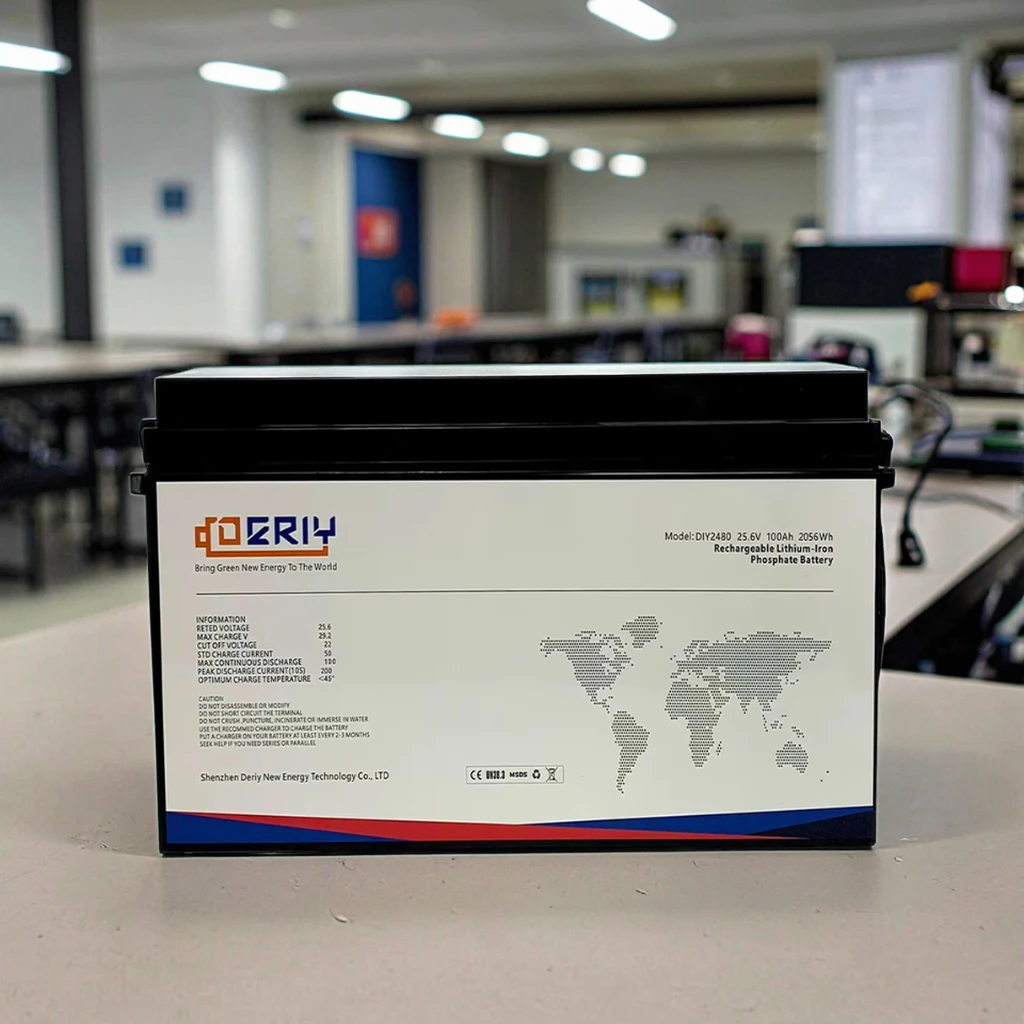
Why BMS Protection Is Essential for Every Portable RV Battery
Core Safety Functions: Overcharge, Over-Discharge, Short-Circuit, and Temperature Cutoff
A Battery Management System (BMS) is the non-negotiable safeguard for portable RV batteries—preventing irreversible damage and ensuring safe operation in dynamic mobile environments. Without it, four critical failure modes threaten both battery longevity and user safety:
- Overcharge protection halts charging before voltage spikes trigger electrolyte breakdown or thermal runaway
- Over-discharge protection enforces a minimum cutoff (typically 10V for 12V LiFePO4 systems), preserving electrode integrity and avoiding permanent capacity loss
- Short-circuit response disconnects loads within milliseconds when current surges beyond safe thresholds—preventing wiring damage or fire
- Dual-temperature cutoffs suspend charging below –20°C (–4°F) and discharging above 60°C (140°F), guarding against freezing, gas buildup, or thermal instability
These functions are not optional extras—they’re foundational to reliable off-grid power in confined, vibration-prone RV spaces.
How Advanced BMS Extends Lifespan: Real-Time Cell Balancing Boosts Cycle Life by 30–50%
Advanced BMS technology goes beyond basic protection: it actively balances individual cell voltages during charging, correcting natural drift before imbalances degrade performance or trigger premature shutdowns. This real-time redistribution—using efficient inductive or capacitive methods rather than wasteful resistive dissipation—delivers measurable gains in longevity and usability:
| Feature | Standard BMS | Advanced Active Balancing |
|---|---|---|
| Cycle Life | 1,500–2,000 cycles | 3,000–4,000 cycles |
| Capacity Retention | ~60% after 1,000 cycles | 80%+ after 2,000 cycles |
| Balancing Efficiency | Passive (heat-based) | Active (energy-reclaiming) |
Field data from the 2023 RV Industry Association confirms that LiFePO4 batteries with active balancing retain 88% of usable capacity after five years—37% longer than unbalanced equivalents. That translates directly into fewer replacements, lower lifetime cost, and uninterrupted power on extended trips.
LiFePO4 Chemistry: The Ideal Match for Portable RV Batteries
Weight, Depth of Discharge, and Maintenance: LiFePO4 vs. AGM and Lead-Acid
The LiFePO4 battery chemistry really shines in portable RV setups where every inch counts and reliability matters most. Take a look at the numbers: a standard 100Ah LiFePO4 pack comes in around 25 to 30 pounds. That's way lighter than those heavy AGM or flooded lead batteries which can weigh double. Lighter weight means more room for gear and less stress on the mounting hardware in tight spaces like small campers or converted vans. When it comes to getting power out of these batteries, we're talking about 80 to 90% usable capacity compared to just 50% from old school lead acid units. So folks get longer run times between charges for things like fridges, lighting, and inverters while still keeping their batteries healthy over time. And here's another big plus: no need for all that regular maintenance work that traditional batteries demand. No topping up water levels, no cleaning terminals, no worrying about having to fully recharge them periodically. Just plug in when needed and forget about it through all sorts of weather conditions and temperature changes.
Inherent Safety Edge: Thermal Runaway Threshold Above 270°C Ensures Vanlife Reliability
Safety matters a lot when living on the road, and LiFePO4 batteries were built with this in mind. They can handle temperatures way above what most people would ever encounter, somewhere around 270 degrees Celsius to be exact, which makes them much safer than other lithium options like NMC or LCO. Even during those brutal summer days in the desert or freezing nights at mountain campsites, these batteries won't catch fire. Plus, since they don't contain toxic substances or cobalt, there's no risk of dangerous acid leaks or gas emissions that plague traditional lead-acid systems. Most good quality portable RV batteries come with a solid battery management system anyway, and when LiFePO4 works with one of these, it keeps power steady even when things get bumpy, the battery isn't fully charged, or someone needs a big surge of electricity. This kind of reliability gives peace of mind for anyone spending time off the grid without access to regular power sources.
Portability Requirements That Define a True Portable RV Battery
Compact Form Factor, Integrated Handles, and Low-Profile Mounting for Tight RV Compartments
When we talk about real portability for RV batteries, it's not just about how light something is. The battery needs to actually fit into those standard compartments most campers have. Usually around 12 inches by 8 inches by 8 inches works best, but there should also be at least a quarter inch space around all sides for proper airflow. Good design matters too. Those recessed handles make all the difference when setting up camp or swapping gear one-handed. And those low profile terminals? They keep from touching metal parts accidentally which causes short circuits in cramped spaces. Campervan owners will appreciate this especially since many models use slide out trays. The edges need to be slightly tapered, about three degrees or less, so everything slides smoothly without getting stuck. Lastly, look for batteries with tough polymer cases that meet IP67 standards. These can handle rough roads, sudden changes in humidity, and even get splashed without breaking down or creating safety issues over time.
Weight-to-Capacity Ratio: Why <30 lbs per 100Ah Is Critical for DIY Van Conversions
The 30 lbs per 100Ah figure isn't just pulled out of thin air; it represents what most builders consider the upper limit for vans that need to stay both safe and practical. When folks go beyond this weight ratio, they start running into problems with those lightweight fiberglass or aluminum shells getting strained, mounting brackets getting overloaded, and eating up way too much of their precious payload capacity. Lithium batteries alone take up around 15 to 20% of what the van can carry after all modifications. Going down to 28 lbs per 100Ah gives van lifers about 40% extra breathing room compared to old school lead acid batteries. That means adding things like extra solar panels, bigger water storage, or better insulation becomes possible without having to completely rethink how the van is built from the ground up. And here's another plus point nobody talks about enough: at this weight level, people can actually install overhead cabinets without needing special structural reinforcements. Makes life so much easier for anyone trying to build something themselves on a budget while still following basic safety guidelines.
Must-Verify BMS Features Before Buying a Portable RV Battery
Active Cell Balancing, Dual-Temperature Sensors, and Bluetooth/APP Remote Diagnostics
Before purchasing, verify three BMS capabilities that separate field-proven portable RV batteries from generic lithium packs:
- Active cell balancing, which transfers energy between cells instead of dissipating it as heat, extending cycle life by 30–50% and maintaining voltage consistency across hundreds of charge cycles
- Dual-temperature sensors, monitoring both internal cell temperature and ambient environment to enforce intelligent cutoffs—blocking charging below 0°C and limiting discharge above 60°C—critical for year-round vanlife resilience
- Bluetooth or app-based remote diagnostics, providing real-time access to state-of-charge accuracy, individual cell voltages, temperature gradients, and historical fault logs
This level of visibility enables proactive maintenance—catching minor imbalances or sensor anomalies before they escalate into roadside failures. As confirmed by the RV Technical Institute’s 2023 field review, users with app-enabled BMS report 62% fewer unplanned power interruptions compared to those relying on basic LED indicators alone.
FAQ Section
What is BMS and why is it important for RV batteries?
A Battery Management System (BMS) prevents irreversible damage and ensures safe operation of portable RV batteries by preventing overcharging, over-discharging, short-circuiting, and managing temperature cutoffs.
Why use LiFePO4 batteries in RVs?
LiFePO4 batteries are lighter, offer higher power output, require minimal maintenance, and have a higher thermal runaway threshold, making them more reliable and safer than AGM or lead-acid batteries for RV use.
How does active balancing in BMS extend battery lifespan?
Active balancing in BMS redistributes energy among cells to correct voltage drift, increasing longevity and cycle life by 30–50% compared to passive systems.