
 EN
EN
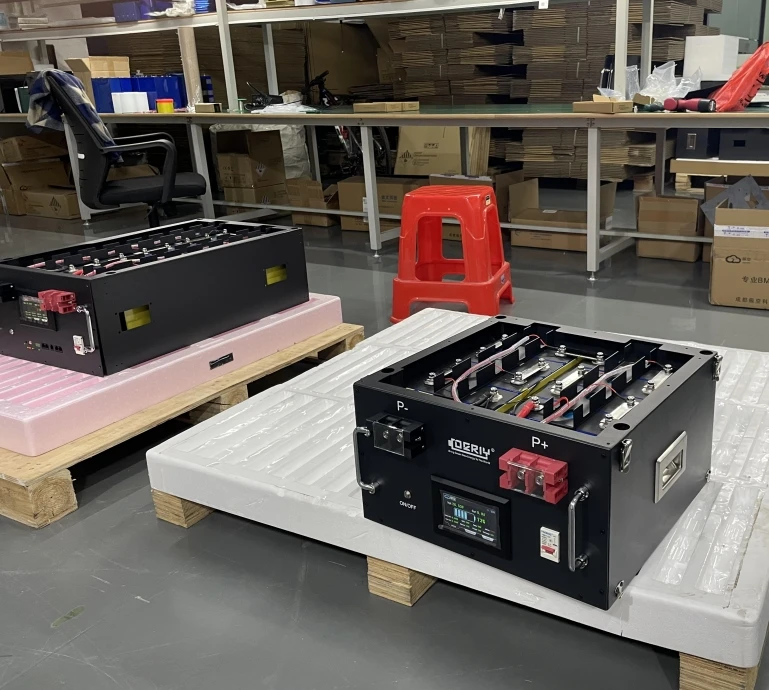
Off-Grid Solar Energy Storage: Reliable, Long-Life Power for Remote Sites
Why 24V 280Ah lithium battery systems outperform lead-acid in solar microgrids
Off-grid solar installations demand storage solutions that endure deep discharges and extreme conditions. Traditional lead-acid batteries falter with limited cycle life (500–1,000 cycles) and restrictive 50% depth-of-discharge (DoD) limits—effectively halving usable capacity. A 24V 280Ah lithium battery delivers transformative advantages:
- 3× longer lifespan: 3,000+ cycles at 80–90% DoD
- 95% round-trip efficiency, versus lead-acid’s 70–85%
- -20°C to 60°C operational range with minimal capacity loss
- Zero maintenance, eliminating monthly voltage checks, water top-ups, and terminal cleaning
- 45kg weight, roughly 70% lighter than an equivalent lead-acid bank
These attributes reduce solar array sizing requirements, cut long-term replacement costs, and sustain reliable power where grid access is nonexistent or unreliable.
Real-world performance: Telecom shelter in Namibia with 98% uptime and 5.2-year ROI
A Namibian telecom shelter demonstrates lithium’s operational superiority in harsh environments. Since 2023, its 24V 280Ah lithium battery system has maintained 98% uptime despite sustained ambient temperatures averaging 45°C. The installation eliminated diesel dependency, saving $7,200 annually in fuel while powering critical communications infrastructure. Key outcomes include:
- Full ROI achieved in 5.2 years through reduced generator runtime and maintenance
- 1,200+ deep discharge cycles completed with no measurable capacity degradation
- Solar as the primary power source—enabling true 24/7 operations without backup generator intervention
This case validates lithium technology’s readiness for mission-critical off-grid applications where power continuity directly impacts service delivery and safety.
Marine & RV Electrification: Lightweight, High-Usable-Capacity Power for Mobile Living
Depth-of-discharge advantage: 24V 280Ah lithium battery delivers 5.36kWh usable energy at <45kg
When it comes to boats and recreational vehicles, getting the most out of stored energy without adding unnecessary weight matters a lot for how well things run, stays balanced, and what can actually be carried onboard. Traditional lead acid batteries usually only let folks use about half their total capacity before needing rest periods to prevent damage. That means boat owners and RV enthusiasts are stuck with roughly 50% wasted space in their power storage. Lithium options tell a different story though. Take a standard 24 volt 280 amp hour model for instance. These packs can push through an impressive 80% depth of discharge safely, giving around 5.36 kilowatt hours worth of juice packed neatly into something weighing just 45 kilograms. The lighter weight makes a noticeable difference in boat handling and saves money at the pump over time. For RVs, there's simply more room to bring along extra supplies like fresh water tanks, camping gear, and other necessities without overloading. Plus, these lithium cells maintain steady power levels throughout their entire charge cycle, so GPS units stay accurate, coolers keep food fresh, and power inverters work properly even when multiple devices are running simultaneously. Most importantly, they last way longer than traditional batteries with over two thousand full charge cycles between replacements and require absolutely no upkeep whatsoever. No more worrying about sudden failures or constantly replacing old batteries that die unexpectedly after months of service.
Golf Carts and Light Electric Vehicles: Performance, Cycle Life, and Fleet Scalability
OEM and aftermarket adoption trends: 62% YoY growth in 24V 280Ah lithium battery-powered fleet carts
We're seeing a big move in the golf cart and small electric vehicle market toward these new 24V 280Ah lithium battery packs. Fleet operators have reported that deployments are up around 62% compared to last year. Why? Well, lithium batteries last way longer than their lead-acid counterparts. They can handle over 4,000 charge cycles at 80% depth of discharge, which means they last three times as long. Plus, these lithium packs weigh about 45% less than traditional ones. For people running large fleets, maintaining stable voltage while accelerating and using regenerative braking makes a real difference. The carts climb hills better and go further between charges. Another plus point is the modular design of these 24V systems. They work well across different cart models without needing major modifications. Standardizing charging equipment also saves money for businesses, cutting operational expenses by roughly 31% when compared to older mixed voltage setups. Looking at the secondhand market too, places like resorts, university campuses, and industrial parks are replacing old lead-acid batteries. This switch eliminates all that messy electrolyte maintenance work. Most businesses see their investment pay off within just under three years thanks to how efficiently these systems recover energy and stay reliable with almost no downtime issues.
Industrial Backup & Mobile Equipment: Silent, Maintenance-Free Operation for Critical 24V Loads

Hospitals, data centers, and manufacturing plants can't afford any interruptions in their operations. That's why the 24V 280Ah lithium battery system stands out for its rock solid reliability. Traditional diesel generators are loud, making around 85 to 100 decibels of noise, plus they need regular maintenance every week. Lithium batteries work almost silently below 25 dB and eliminate all those headaches with fuel, oil changes, and dealing with exhaust fumes. The reason these lithium systems require so little maintenance comes down to their LiFePO4 chemistry. This stuff just doesn't degrade like other batteries do, cutting unexpected downtime risks by about two thirds when compared to old school lead acid options according to Energy Storage Journal last year. Each unit can handle an 80% depth of discharge, giving roughly 7.2 kilowatt hours of backup power. That's enough juice to keep important 24V equipment running during power cuts, things like PLC controls, emergency lights, and communication gear. When the main power goes down, this lets automatic transfer switches kick in smoothly. Real handy in places where noise matters a lot, think MRI rooms or small data centers at the edge of networks. And for folks needing portable solutions, whether it's construction machinery or emergency response vehicles, these batteries weigh only 45 kilograms. They fit right into most setups without needing special tools or reinforcing structures, yet still deliver plenty of runtime when needed most.
| Feature | Traditional Generator | 24V 280Ah Lithium Battery |
|---|---|---|
| Noise Level | 85–100 dB | <25 dB |
| Annual Maintenance | 8–12 hours | Zero |
| Deployment Time | 15–30 minutes | Instantaneous |
| Indoor Usability | Restricted | Unrestricted |
The absence of combustion enables safe, continuous operation in confined or occupied spaces. Modular scalability supports everything from single-server backups to multi-rack data center failover—without redesigning electrical infrastructure.
FAQ Section
What are the main advantages of lithium batteries over lead-acid batteries?
Lithium batteries provide a longer lifespan, higher efficiency, wide operational temperature range, zero maintenance requirements, and are significantly lighter than lead-acid batteries.
Can lithium batteries be used in extreme temperatures?
Yes, lithium batteries can operate efficiently in a temperature range from -20°C to 60°C with minimal capacity loss.
How does lithium technology impact fleet operations?
Lithium technology improves fleet performance by providing longer cycle life, stable voltage, reduced weight, and maintenance-free operation, leading to cost savings and better scalability across different models.
Are lithium batteries suitable for industrial backup?
Yes, lithium batteries offer silent operation, maintenance-free reliability, and robust energy capacity, making them ideal for critical industrial backup applications.
Table of Contents
- Off-Grid Solar Energy Storage: Reliable, Long-Life Power for Remote Sites
- Marine & RV Electrification: Lightweight, High-Usable-Capacity Power for Mobile Living
- Golf Carts and Light Electric Vehicles: Performance, Cycle Life, and Fleet Scalability
- Industrial Backup & Mobile Equipment: Silent, Maintenance-Free Operation for Critical 24V Loads
- FAQ Section