
 EN
EN
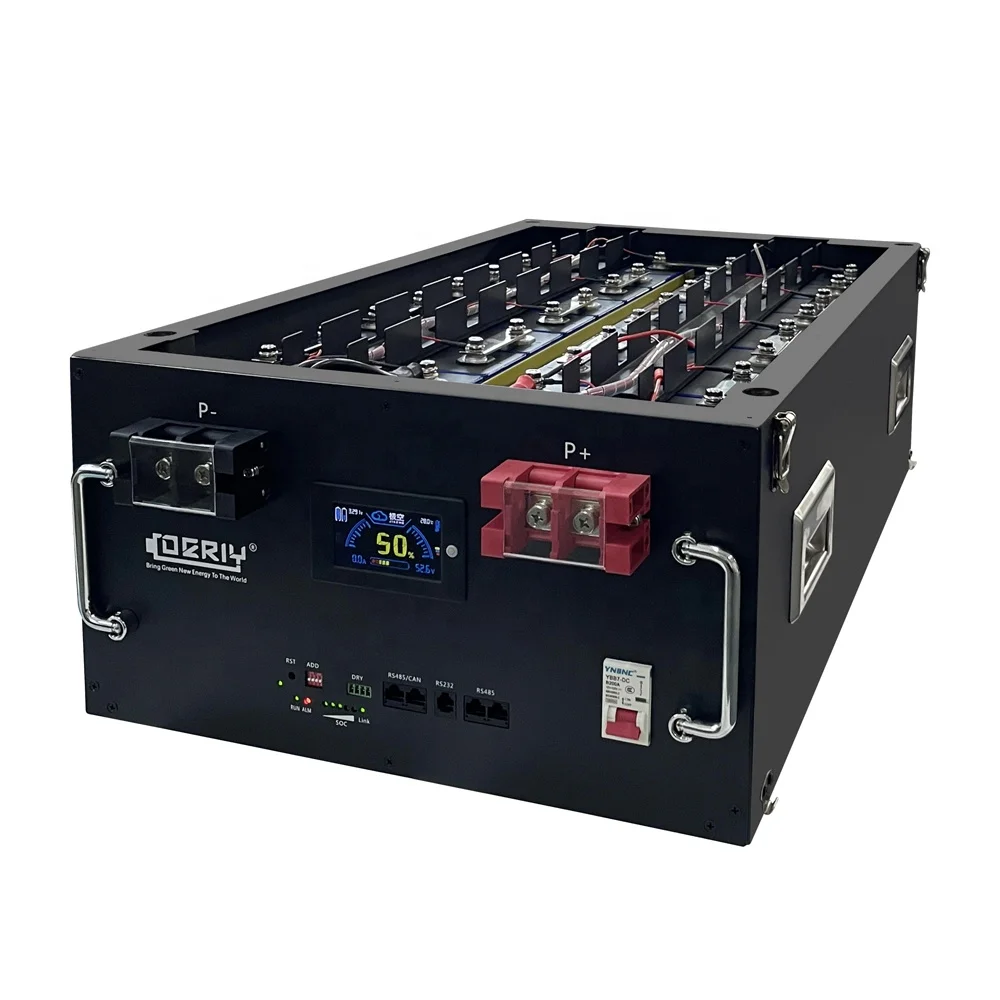
Modular Scalability: Precisely Match Energy Needs with a 15kWh Stackable Lithium Battery Pack
How standardized 5kWh LFP modules enable flexible, future-proof capacity expansion
The standardized 5kWh lithium iron phosphate modules are changing how we think about energy storage, turning it into something that can grow with our needs. Traditional batteries come with fixed capacities that force people to replace entire systems when they need more power. These new units simply stack together both physically and electrically, allowing capacity to grow bit by bit as needed. No more paying for extra kWh that sits unused while homes evolve with additional solar installations or bigger electrical demands. Every single module comes packed with its own battery management system, thermal regulation features, and built-in safety mechanisms. This ensures everything works smoothly regardless of how many modules get stacked together. Tests under UL 9540A standards plus actual field experience show these LFP batteries keep around 80% of their original capacity even after going through 4000 charge cycles at 80% depth. That means homeowners can expect reliable performance lasting well over ten years without having to completely overhaul their existing setup.
Real-world scalability: From solar self-consumption to EV charging and heat pump support
A 15kWh stackable lithium battery can adjust itself pretty well to what people need these days in terms of energy storage. Many folks start off with around 5 to 10kWh when they first install solar panels, which helps them use their own generated electricity instead of pulling from the grid all day long. When households expand their energy requirements later on, maybe because someone gets an electric car that eats through 7 to 10kWh each time it charges up, or installs a heat pump that pulls down about 2 to 3kWh every hour, extra 5kWh modules just slot right in place. No need for complicated rewiring jobs or swapping out inverters. These systems work great during those expensive peak times too, sending power to several big appliances at once without causing any voltage issues, even if demand jumps around between half and triple normal levels. According to research done in real world situations, going modular saves homeowners roughly 60% on upgrades costs versus buying brand new single unit batteries, so there are clear financial benefits plus better flexibility over time.
Inherent Safety and Long-Term Reliability of the 15kWh Stackable Lithium Battery Pack
Lithium-iron phosphate (LFP) chemistry: Zero thermal runaway risk and UL 9540A certification
The LFP chemistry used in batteries provides natural thermal and chemical stability, which means it doesn't have the same thermal runaway issues we see with nickel based lithium options. The battery's olivine crystal structure stays strong even when subjected to overcharging situations, extreme heat conditions, or physical impacts, so there's no risk of catching fire even if accidentally pierced during installation. Safety experts back this up with UL 9540A certification, considered by many as the gold standard test for how energy storage systems handle fires and explosions. For homes where these batteries are installed, getting this certification means they can rest assured their system meets tough safety requirements while still performing well year after year.
4,000+ cycles at 80% DoD – translating to 12–15 years of maintenance-free home use
This 15kWh stackable lithium battery pack was designed to last through many years of regular use without losing much power over time. It can handle around 4,000 complete charge cycles when discharged to about 80%, which means most households should expect these batteries to work well for between 12 to 15 years before needing replacement. Tests done under controlled conditions show that after simulating 10 years worth of home energy storage, the battery still holds over 80% of its original capacity. That kind of longevity makes sense both economically and environmentally. For people living in homes, this means consistent power output day after day without worrying about maintenance costs or complicated upkeep procedures. Plus, since these batteries outlast their competitors by so much, they create far less electronic garbage compared to other options on the market today.
Plug-and-Play Integration: Smart Home and Solar PV Compatibility Out of the Box
Energy storage solutions today need to work seamlessly within what's already installed in homes. Take the 15kWh stackable lithium battery pack as an example. It connects using standard industry protocols such as Modbus TCP and CAN bus. These connections let it talk directly to popular residential inverters made by companies including SolarEdge, Enphase, and Generac. No more getting stuck with one brand's system or dealing with complicated setup procedures. Homeowners can install these batteries faster when expanding their solar power usage or adding electric vehicle charging stations to their property. The simplicity makes sense for both small installations and larger setups that grow over time.
Native support for Modbus, CAN bus, and major inverters
Standardized interfaces allow immediate synchronization with solar PV systems and grid-tied inverters. Over 92% of new residential solar installations now use inverters compatible with these protocols (Energy Management Journal, 2024), ensuring broad interoperability right out of the box.
Seamless coordination with energy management systems
The battery packs work right out of the box with home energy controllers and those smart panels around the house. They figure out how to optimize everything automatically by looking at what's happening with solar power generation, checking when electricity rates go up and down, and remembering past usage patterns. Inside these systems are some pretty clever machine learning stuff that moves things like charging electric cars or running appliances during cheaper hours. This means people actually use more of their own solar power, pay less for peak demand, and get better returns on investment over time. The whole process happens behind the scenes so homeowners don't need to lift a finger.
Uninterrupted Resilience: Extended Backup Power for Critical Home Loads
The 15kWh stackable lithium battery pack acts as reliable backup when the grid goes down, kicking in just 20 milliseconds after failure to keep important home systems running smoothly. This almost instant switch over stops interruptions to vital medical devices, keeps food from spoiling in fridges, maintains security alarms, and preserves communication networks all those times when power stays off for days on end. The system can be expanded as needed, offering well over 24 hours of electricity for necessary circuits around the house such as lighting, heating, and basic appliances during emergencies.
- Refrigeration units to prevent food spoilage
- Medical devices like CPAP machines and oxygen concentrators
- Emergency lighting and security systems
- Communication routers and cellular backup devices
The lithium iron phosphate chemistry behind these systems keeps the voltage steady and provides reliable power even during those extended blackouts that can last for days. Homeowners also benefit from the modular setup which lets them add more storage as needed, so they can keep going longer when outages stretch on because of all the extreme weather we've been seeing lately according to FEMA's 2023 report. What makes this technology stand out is how it brings together quick response times, lasting power, and flexibility in one package. When the electricity grid starts acting up, these systems become a lifeline for households trying to stay powered through unpredictable conditions.
Frequently Asked Questions
What is the advantage of modular lithium battery packs?
Modular lithium battery packs allow for flexible and scalable energy storage. You can add more modules as your energy needs grow without replacing the entire system.
How long do these battery packs typically last?
These battery packs are designed to last between 12 to 15 years, handling around 4,000 charge cycles at 80% discharge depth.
Are these battery packs safe to use?
Yes, they use lithium-iron phosphate chemistry, which provides natural thermal and chemical stability, reducing the risks of thermal runaway. They also come with UL 9540A certification for safety.
How do these battery packs integrate with existing home systems?
They connect using standard industry protocols like Modbus TCP and CAN bus, allowing seamless integration with most residential solar inverters and energy management systems.
Table of Contents
- Modular Scalability: Precisely Match Energy Needs with a 15kWh Stackable Lithium Battery Pack
- Inherent Safety and Long-Term Reliability of the 15kWh Stackable Lithium Battery Pack
- Plug-and-Play Integration: Smart Home and Solar PV Compatibility Out of the Box
- Uninterrupted Resilience: Extended Backup Power for Critical Home Loads
- Frequently Asked Questions