
 EN
EN
What Makes a Portable RV Battery Long-Lasting?
Defining long-lasting power in portable RV battery performance
Long-lasting power in a portable RV battery means delivering reliable energy over extended periods, especially during deep cycling in off-grid use. Unlike starter batteries that provide short bursts of high current, true longevity is measured by sustained cycle life and minimal capacity loss over time.
Battery lifespan and cycle life in deep cycle applications
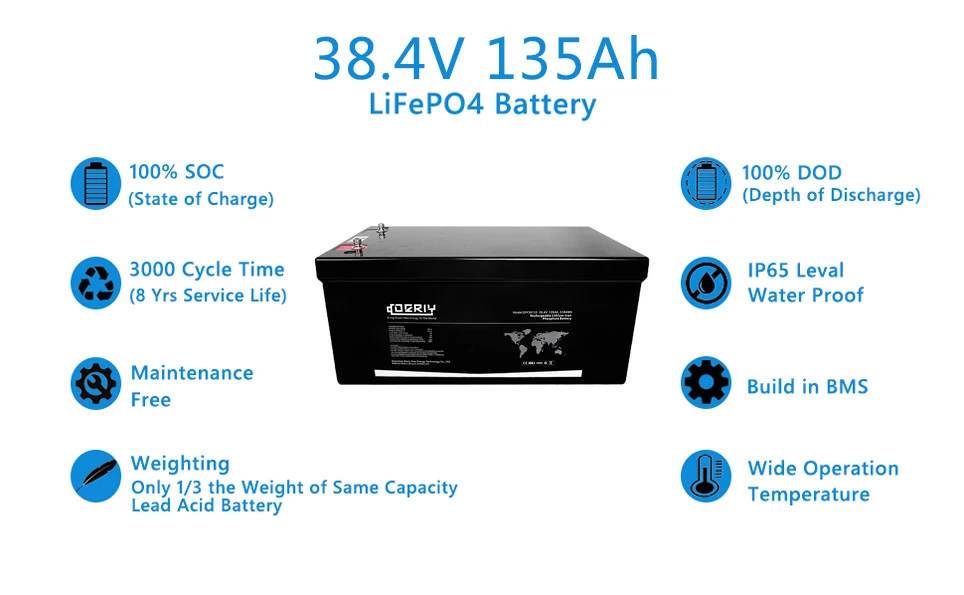
The cycle life of a battery basically means how many times it can go through a complete charge and discharge before losing about 20% of its original capacity. Most regular lead acid batteries will manage around 200 to maybe 500 cycles at best. But look at lithium iron phosphate batteries (LiFePO4), these babies can handle upwards of 4,000 cycles easily. What does this really mean? For someone using their RV regularly, we're talking about potentially getting over a decade of reliable power without needing replacement. That makes LiFePO4 batteries stand out when considering long term reliability for recreational vehicles, though actual lifespan will depend somewhat on how aggressively they're used in practice.
Depth of discharge (DoD) and usable capacity across battery chemistries
Depth of discharge directly affects both usable energy and battery longevity. Lead-acid batteries degrade quickly when discharged beyond 50%, limiting usable capacity and shortening lifespan. In contrast, LiFePO4 batteries safely operate at 80–90% DoD without significant wear, offering more usable power per cycle and maintaining performance over thousands of cycles.
Lithium vs Lead-Acid: Why LiFePO4 Batteries Lead in Durability

Comparative Analysis of Lithium-Ion (LiFePO4) Versus Lead-Acid Batteries for RVs
Lithium iron phosphate (LiFePO4) batteries outperform lead-acid in every critical category for RV power systems. With 3,000–5,000 charge cycles compared to lead-acid’s 300–500, LiFePO4 batteries last 5–10 times longer (Energy-Elege 2024). This extended service life reduces replacement frequency and cost over time, making lithium the preferred choice for durable, low-maintenance off-grid power.
Cycle Count, Efficiency, and Maintenance: Key Differentiators
What really distinguishes these battery technologies comes down to three main things: how long they last through charge cycles, how efficiently they work, and what kind of upkeep they need. LiFePO4 batteries hit around 95% efficiency mark, so most of the stored electricity actually powers devices rather than turning into wasted heat. Compare that to lead acid batteries which only manage about 70 to 85%. Another big plus is zero maintenance requirements. No need to check water levels or clean terminals like with older battery types. Plus, these batteries can safely give away almost all their stored energy when needed (typically 90 to 100%), making sure we get maximum use out of every charge. Lead acid counterparts tell a different story though. If someone tries to drain them beyond about half their capacity, they start suffering permanent damage over time.
Are All Lithium RV Batteries Equally Reliable? Addressing Quality Variance
LiFePO4 batteries aren't created equal when it comes to reliability. Some perform better than others depending on factors like cell quality, how strict the manufacturing process was, and just how advanced their battery management system actually is. The truth is, batteries lacking good thermal protection features or made with cheaper cells often don't last as long and sometimes create serious safety issues down the road. For something that will stand the test of time, look for models that have UL certification stamped right on them. Also check if they come with solid BMS protection layers and make sure the parts inside were sourced from companies people actually trust in the industry.
Advantages of LiFePO4 for Deep Cycling and Extended Off-Grid Use
Superior runtime and deep cycling stability of lithium-iron phosphate technology
Lithium iron phosphate batteries really shine when it comes to lasting power and standing up to being drained completely again and again, which makes them great for people who spend weeks at a time camping off the grid in their RVs. These packs can give away around 80 to even 100 percent of what they store before needing a recharge, something regular lead acid batteries just cant match. The chemistry inside stays pretty stable too, so most users report getting through thousands of charge cycles before seeing much drop off in performance. We're talking about lifespans that last 4 or 5 times longer than traditional options. That means campers have dependable electricity for running fridges, lights, and all those gadgets we rely on while traveling far from civilization.
Consistent voltage output and high energy efficiency over time
LiFePO4 batteries keep their voltage stable during discharge cycles, which means no sudden drops in power that might mess up delicate electronic gear. The steady output makes all the difference for things like RV refrigerators, power inverters, and those important communication systems we rely on when camping off-grid. What's really nice about these batteries is how efficient they are at holding onto energy. Most models sit around 95% efficient or better, plus they only lose about 1 to 3% charge each month just sitting there. So even if someone stores their battery for several weeks between weekend getaways, most of that stored power will still be there waiting when needed.
Case Study: Seven-day off-grid overlanding with a portable RV battery
During a recent road trip lasting seven days straight, someone actually put LiFePO4 batteries through their paces. They used a 100 amp hour portable power pack for an RV and managed to run everything from a standard 12 volt fridge to those LED camping lights, plus the water pump and all sorts of gadgets on the go. The battery didn't need any top ups at all throughout the whole journey. What's interesting is how the built-in battery management system kept things safe from going flat, even though people were drawing down around 70 to 80 percent each day. And when it came time to recharge using just solar panels, it topped back up completely within five hours max. Makes sense why so many adventurers are switching to these packs for extended trips where there's no access to regular electricity sources.
Top Portable RV Battery Brands with Proven Longevity
Battle Born, Renogy, and Ampere Time: Leading LiFePO4 Battery Brands for RVs
Companies like Battle Born, Renogy, and Ampere Time have established themselves at the forefront of LiFePO4 battery innovation. What sets their products apart? These batteries often last well beyond the 4,000 deep cycle mark thanks to sophisticated Battery Management Systems built right into the design. The BMS does more than just count cycles it actively guards against problems like overcharging, manages heat issues, and keeps those individual cells balanced within the pack. Campers who've put these batteries through their paces report solid performance across multiple seasons, sometimes lasting five or six years before needing replacement. This kind of reliability matters a lot when boondocking in places where getting to a power source isn't always possible.
Jackery, EcoFlow, and Bluetti: High-Performance Portable Power Stations Compared
Companies like Jackery, EcoFlow, and Bluetti have made a name for themselves with their portable power stations that pack everything into one unit: LiFePO4 batteries, inverters, and charging systems all rolled together. Most of these devices sit somewhere between 1,000 to 2,000 watt hours of capacity, complete with standard AC outlets, plenty of USB ports, and they work well with solar panels too. The better quality ones tend to hold around 80% of their original charge even after going through roughly 2,000 charge cycles, which translates to several years of weekend camping trips or road adventures. What makes them so popular among RV enthusiasts? Simple really. These power packs are designed to be user friendly right out of the box, cutting down on complicated setups while still delivering dependable electricity when needed most.
Smart BMS and App Integration: The Trend Enhancing Reliability and Monitoring
Today's portable RV batteries come with smart battery management systems connected via Bluetooth or Wi-Fi so people can check on them using their smartphones. With these systems, owners get to see what percentage charged their battery is, check the voltage levels, monitor temperatures, plus get warnings when something might go wrong such as if it gets too drained or starts getting too hot. Knowing all this information helps folks charge their batteries better and stop problems before they happen. According to tests done in the industry, batteries that have these fancy monitoring features tend to last about 20-25% longer since they don't get stressed out as much during normal use and allow owners to take care of maintenance issues before they become big headaches.
Maximizing Longevity and Performance for Boondocking and Dry Camping
Sizing your portable RV battery system for extended off-grid adventures
Getting the right size battery system matters a lot when planning for dry camping trips where there's no grid connection nearby. Most folks find that their basic needs such as keeping food cold, running lights at night, and staying connected via radio or phone can last between three to five days on a single charge. Lithium batteries around the 200 to 300 Ah range generally work fine for regular campers. But don't forget to leave some extra room in the tank too. About 20 to 30 percent additional capacity helps cover those surprise situations when something draws more power than expected or when clouds roll in and cut down solar charging time. This buffer zone protects the battery from getting drained too deeply, which extends its lifespan considerably over time.
Solar compatibility: How renewable charging extends battery life and usability
When RV batteries get paired up with solar panels, folks find they last longer and work better overall. The sun keeps them charged all day long, so there's no need to let them drain down too much each time. Lithium batteries especially love this setup since they don't handle being completely drained very well. Most experts recommend keeping these batteries above 20% charge whenever possible. Some research indicates that campers who go solar instead of just running generators or alternators tend to see their batteries last around 30 to maybe even 40 percent longer. Take a look at the table here to see exactly how various solar setups affect real world performance across different conditions.
| Solar Array Size | Daily Charge Capacity | Extended Boondocking Duration | Battery Lifespan Improvement |
|---|---|---|---|
| 200W | 800-1000Wh | 3-4 days | 25-30% |
| 400W | 1600-2000Wh | 5-7 days | 35-40% |
| 600W+ | 2400-3000Wh+ | 7+ days | 40-50% |
This sustainable approach not only prolongs off-grid capability but also reduces environmental impact.
Best practices for maintaining long-term performance in boondocking scenarios
Want to get the most out of your battery when traveling off the grid? Stick to these three basic rules. Don't let the battery drop below 20% too often. Most folks find that keeping it between 20% and 80% charged gives the best results over time. Next up, make sure there's good airflow around the battery pack. Heat is a real problem for batteries, especially when temps climb past 95 degrees Fahrenheit or so. And don't forget to check the voltage once a month. This helps spot any cells that might be acting up before they cause bigger issues. People who camp full time in their RVs report getting anywhere from 2,000 to 3,000 complete charge cycles out of their lithium batteries if they follow these tips. That's way better than the 1,200 to 1,500 cycles many see when maintenance gets neglected.
FAQ
What makes a portable RV battery long-lasting?
A portable RV battery is considered long-lasting when it delivers reliable energy over extended periods and maintains its capacity over many charge cycles, especially when deep cycling in off-grid uses. LiFePO4 batteries are known for longevity, as they can endure thousands of cycles while maintaining performance.
Why is LiFePO4 preferred over lead-acid for RVs?
LiFePO4 batteries are preferred because they last 5–10 times longer, require no maintenance, handle deeper discharges without degrading, and operate efficiently at about 95% capacity. They also provide consistent voltage output, making them more dependable for powering electronic devices in RVs.
Do all lithium RV batteries have the same reliability?
No, not all lithium RV batteries are equally reliable. Variability in cell quality, manufacturing rigor, and battery management systems can affect reliability. It's advised to choose batteries with quality certifications and strong thermal protection features for enhanced reliability.
How can I maximize the lifespan of my RV battery?
To maximize battery lifespan, avoid discharging below 20% too often, ensure adequate ventilation around the battery to prevent overheating, and regularly check battery voltage. Pairing with solar panels for renewable charging can also extend battery lifespan.
Table of Contents
- What Makes a Portable RV Battery Long-Lasting?
- Lithium vs Lead-Acid: Why LiFePO4 Batteries Lead in Durability
- Advantages of LiFePO4 for Deep Cycling and Extended Off-Grid Use
- Top Portable RV Battery Brands with Proven Longevity
- Maximizing Longevity and Performance for Boondocking and Dry Camping
- FAQ