
 EN
EN
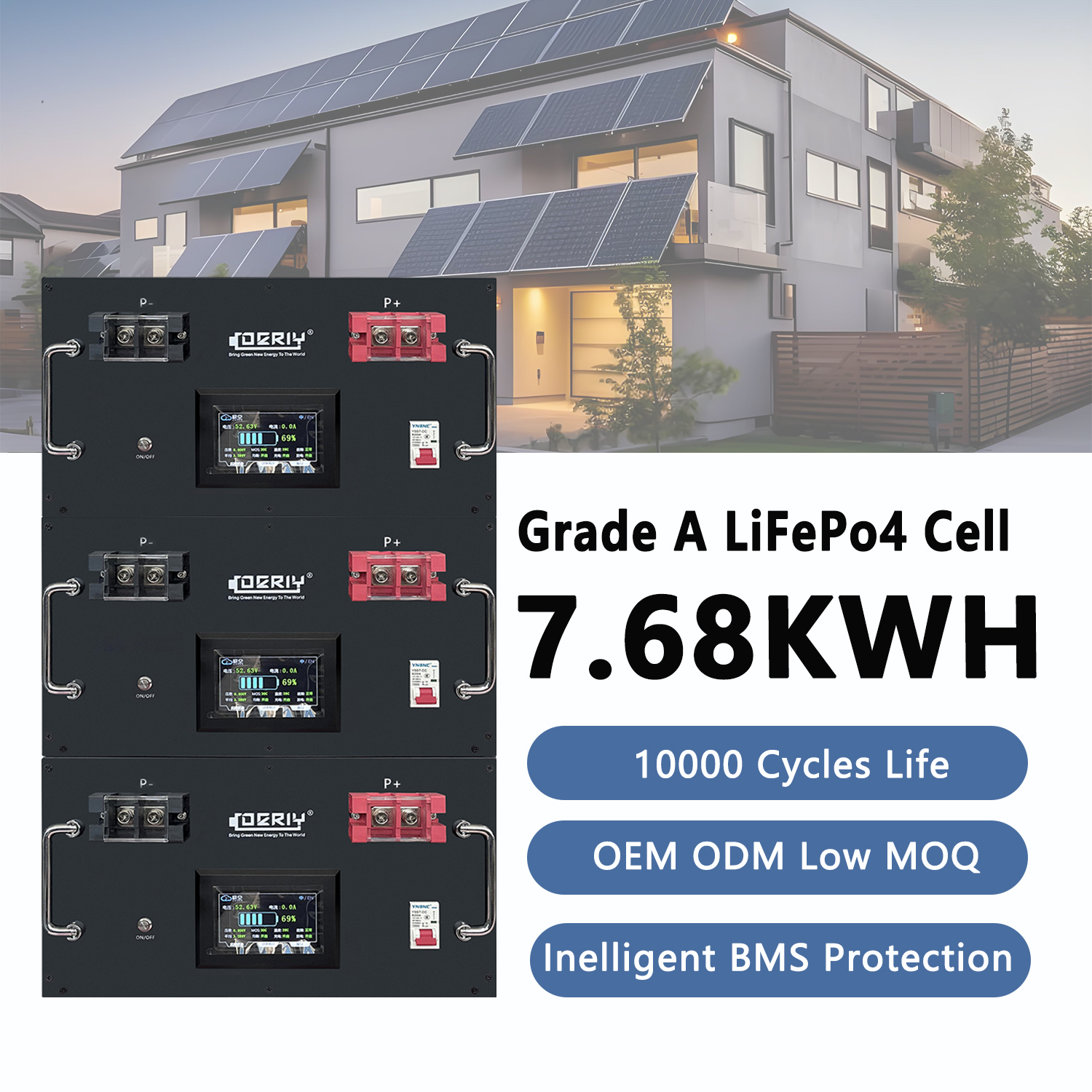
Maximizing Energy Self-Consumption with 30KWh Grade A LiFePo4 Cell Capacity
Understanding the role of 30KWh capacity in aligning solar generation with household demand
The 30KWh Grade A LiFePo4 battery system provides pretty good storage for aligning solar generation with what most homes actually consume daily. When there's extra sunshine during daylight hours, these batteries store that power so folks don't have to rely on expensive grid electricity in the evenings when rates spike. Looking at how people typically use energy, this kind of battery can keep basic appliances running for quite some time. For instance, it might power a regular fridge for around 37 hours straight or light up LED bulbs for well over 100 hours. Even better, it handles bigger loads too, which means air conditioners can stay on during heatwaves without draining completely. What makes these systems really valuable is they turn solar installation from just cutting down bills a little bit into something much more substantial. Homeowners end up exporting far less electricity back to the grid at poor rates while getting to use their own clean power whenever needed.
High usable energy and 90—100% depth of discharge in Grade A LiFePo4 cells
The best quality LiFePo4 cells can actually discharge between 90 to 100 percent of their capacity each day while still lasting for years. Most people don't realize this until they compare with traditional options. Take lead acid batteries for instance these old school batteries need to stay around only 50% discharged if we want them to last at all. So when someone installs a 30 kilowatt hour lithium iron phosphate system, they're getting roughly 28.5 kWh worth of actual usable power. That's basically twice what comes out of a comparable lead acid installation which maxes out around 15 kWh. What makes this possible? Sophisticated battery management tech keeps everything running smoothly even after repeated deep cycles. Unlike cheaper alternatives where performance plummets over time, good quality lithium batteries just keep delivering steady results cycle after cycle.
Seamless integration of Grade A LiFePo4 battery with solar panels for optimized self-consumption
Grade A LiFePO4 battery systems work really well with solar panels thanks to smart energy management features, giving them round trip efficiencies around 95 to almost 98 percent. Because they lose so little energy when charging and discharging, these batteries keep most of the sun's power usable for homes throughout the day. The smart inverters handle how electricity moves back and forth between the solar panels and storage units, meaning homeowners can still access roughly 90% of what their panels produce even after dark. What makes these systems stand out is their modular setup that lets people expand storage capacity simply by adding more batteries side by side as their energy needs grow over time. When everything works together properly, households consume much more of their own solar power instead of relying on outside grids whenever the sun isn't shining.
Extended Lifespan and Lower Replacement Frequency of Grade A LiFePo4 Cells
Achieving up to 7,000 cycles at 80% depth of discharge: what Grade A certification ensures
Grade A LiFePo4 cells really stand out when it comes to lasting power. These cells keep around 80% of their original capacity even after going through 6,000 plus charge cycles at 80% depth of discharge, which works out to about 16 years if used every single day. What makes them so reliable? The manufacturers stick to extremely tight quality controls. They achieve material purity of nearly 99.93% and run each batch through no fewer than 23 different quality checks before shipping. For certified models, they include military grade separators inside and maintain excellent thermal stability across temperatures from minus 30 degrees Celsius all the way up to 60 degrees, stopping those annoying lithium plating issues that happen with fast charging and discharging. Looking at the numbers tells another story too these top tier batteries lose just 0.8% of their capacity every 100 cycles, whereas cheaper options tend to degrade at about 2.1%. That means far less frequent replacements over time, saving money in the long run for anyone serious about battery life.
Cycle life vs. calendar life: why longevity reduces long-term storage costs
Grade A LiFePo4 battery cells really stand out when it comes to lasting power. They tend to go on for much longer periods compared to other types, regardless of how many times they get used or simply sitting there aging away. These cells maintain pretty steady voltage levels around 3 volts per cell even when pushed hard, which means less strain inside the battery itself. Most people find that these batteries can keep working well for over ten years straight, even if cycled every single day. That kind of reliability makes all the difference compared to older technologies like lead acid or those NMC batteries we see so much nowadays. Those alternatives usually start showing signs of wear after just three to five years at best. Homeowners who switch to LiFePo4 don't have to worry about replacing their systems halfway through what should be a long service life, saving money on constant upgrades while getting consistent performance year after year.
Cost comparison: short-lived alternatives vs. durable Grade A LiFePo4 over 10+ years
A 30KWh Grade A LiFePo4 battery system tends to save between 40 and 60 percent on cost per kilowatt hour over ten years when compared to other options on the market. Lead acid batteries need replacing two or three times during this same timeframe, plus they can only be discharged halfway before needing recharge, which means more frequent monitoring and upkeep than many people want to deal with. Then there are NMC batteries that last somewhere around 2,000 to 4,000 charge cycles, but these tend to lose their punch quicker when exposed to heat, especially in hot climates where solar installations often sit. Grade A LiFePo4 tells another story entirely though. These batteries keep about 80% of their original power even after going through over 6,000 charge cycles without any special care required, and importantly, they deliver all their stored energy when needed. The bottom line? Homeowners who install these systems typically spend about two thirds less money overall throughout the battery's life cycle, which explains why so many solar professionals recommend them for anyone looking at long term energy storage solutions.
Superior Energy Efficiency and Daily Bill Savings with LiFePo4 Technology
Round-trip efficiency above 95%: more solar energy retained for home use
The best quality LiFePo4 battery cells can reach over 95% round trip efficiency, so very little energy gets wasted during the process of storing and then pulling back out from solar panels. With such good retention rates, almost all the sunlight collected ends up as actual electricity可供 the household uses, which means people depend less on their local power company. When looking at cheaper or less effective storage solutions, the difference really adds up over time. Homeowners end up spending less on their monthly electric bill and get better value for money spent on installing solar panels. After all, each kilowatt hour saved makes a real difference in the long run.
Peak shaving and load shifting strategies using 30KWh Grade A LiFePo4 storage
With a 30 kilowatt hour storage capacity, this system works really well for cutting down on those spikes in electricity usage when rates go up. When the utility company charges more money during certain hours of the day, the battery kicks in and uses the solar power it saved earlier rather than pulling from the grid. The battery gets charged either from extra solar panels production or when electricity is cheapest at night. Then it releases that stored power right when the bills would normally skyrocket. For people living in areas where electric companies change their prices throughout the day, this setup actually makes good financial sense. Instead of just sitting there doing nothing, the battery becomes something valuable that helps save real cash month after month by keeping those expensive electricity charges under control.
Total Cost of Ownership and ROI: Why Grade A LiFePo4 Delivers Long-Term Value
Calculating payback period and return on investment for a 30KWh home system
The upfront cost of getting a Grade A LiFePo4 Cell 30KWh system definitely runs higher compared to what most people are used to paying for regular systems. But homeowners generally see their money back within about 5 to 8 years after installation. That calculation includes lower monthly power bills, avoiding those expensive peak hour charges, basically no need for repairs, plus there are often government incentives too like federal tax breaks or city level rebates when someone goes solar with storage. Throw in strategies like cutting down on high demand usage times and making sure we're using our own generated power first, these batteries really boost how independent we can be from the grid while still giving solid financial benefits throughout their life cycle.
Levelized cost of storage (LCOS): LiFePo4 vs. lead-acid and NMC batteries
The levelized cost of storage, or LCOS for short, gives homeowners a clearer picture of what different battery tech actually costs over time. Take Grade A LiFePo4 batteries for instance they typically run around 8 to 12 cents per kilowatt hour throughout their life cycle. That's way cheaper than old school lead acid options which can hit 25 to 35 cents per kWh. When looking at newer NMC batteries too, LiFePo4 still comes out ahead because it lasts longer, works better overall, and has a much safer design. What really makes these batteries stand out though is how well they handle regular charging cycles and tough weather conditions without losing performance. This kind of durability means homeowners save money in the long run, making LiFePo4 a smart choice for those wanting reliable energy storage solutions that won't break the bank.
Case Study: How a California household cut electricity bills by 68% with a 30KWh Grade A LiFePo4 system
A family living in Northern California saw their monthly electric bill drop dramatically after putting in a 30KWh Grade A LiFePo4 system. Their bill went down from around $280 to only $90 within the first twelve months alone, which is roughly a two thirds reduction. The system works so well because it has between 95% and 98% round trip efficiency plus smart features that optimize when they use power based on rates throughout the day. This means they consume most of what they generate themselves and avoid those expensive peak times. The installation cost was recovered in less than six years, and since these systems typically last over ten years, the house now enjoys practically free energy storage for many more years ahead. What this case shows is that good quality LiFePo4 tech can really pay off both financially and operationally for homeowners willing to make the investment upfront.
FAQ Section
What are LiFePo4 batteries?
LiFePo4 batteries, or Lithium Iron Phosphate batteries, are known for their long lifespan and stable performance. They are increasingly used in energy storage due to their high depth of discharge and efficiency.
How long do Grade A LiFePo4 batteries typically last?
Grade A LiFePo4 batteries can last up to 16 years with daily use, thanks to their ability to maintain 80% of their capacity after 6,000 plus cycles at 80% depth of discharge.
How does a 30KWh Grade A LiFePo4 battery benefit solar panel installations?
This battery size effectively stores solar energy, allowing homeowners to use their own power when solar production is low, and helps in reducing reliance on grid electricity.
Is the investment in Grade A LiFePo4 batteries worthwhile?
Yes, despite higher initial costs, they offer long-term savings on energy bills and require fewer replacements compared to other battery types, providing a great return on investment.
Table of Contents
- Maximizing Energy Self-Consumption with 30KWh Grade A LiFePo4 Cell Capacity
- Extended Lifespan and Lower Replacement Frequency of Grade A LiFePo4 Cells
- Superior Energy Efficiency and Daily Bill Savings with LiFePo4 Technology
- Total Cost of Ownership and ROI: Why Grade A LiFePo4 Delivers Long-Term Value
- FAQ Section