
 EN
EN
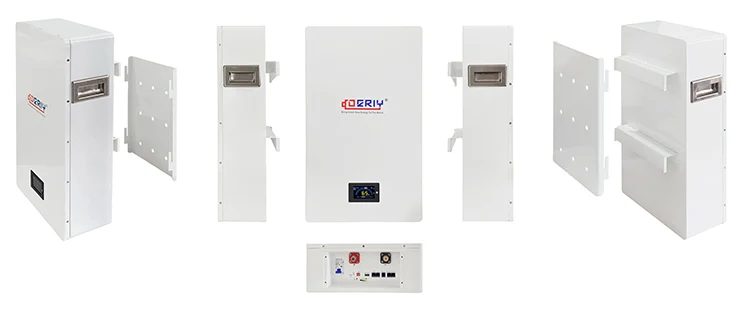
Space-Saving Design: Ultra-Thin Wall-Mounted Battery Solutions for Compact Living
How sub-150 mm depth enables discreet integration into tight utility closets, balconies, or hallway walls
Wall mounted batteries with profiles less than 150mm can pretty much disappear in tight spots. They fit right behind doors, next to kitchen appliances, even inside those tiny utility closets or on apartment balconies and hallway walls without anyone noticing. These aren't the big bulky units that block pathways or mess with how people move through a space. When mounted vertically, they take advantage of all that wasted wall real estate. For folks living in studio apartments or micro flats where there literally isn't an inch to spare, this makes all the difference in the world. Every bit of saved space adds up when you're trying to live comfortably in such small quarters.
Footprint comparison: wall-mounted battery vs. floor-standing alternatives in under-10 m² spaces
Floor-standing batteries consume valuable living area, while wall-mounted units preserve floor space entirely. In compact settings under 10 m², the difference is decisive:
| Feature | Wall-Mounted Battery | Floor-Standing Alternative |
|---|---|---|
| Installation Area | 0.2–0.5 m² (wall surface) | 0.8–1.5 m² (floor space) |
| Vertical Clearance | Minimal | 50–100 cm above unit required |
| Ideal For | Hallways, balconies, closets | Dedicated utility rooms only |
| Accessibility | No tripping hazards | Requires clearance pathways |
Wall-mounted systems reduce usable-space loss by 70–90% compared to floor models—turning impractical storage nooks into viable, resilient energy hubs for urban dwellers.
Renter- and Condo-Friendly Installation: Mounting Options for Diverse Wall Types
Safe, low-impact mounting on concrete, brick, and drywall — including load limits (≤35 kg) and vibration-dampened hardware
Wall mounted battery systems now come with universal mounting kits designed to hold up on most wall types without needing big changes to existing structures. When installed on concrete or brick surfaces, special corrosion resistant sleeve anchors spread out the weight properly and stick to the important 35kg maximum load requirement, which helps protect shared walls from too much pressure. For drywall applications, toggle bolts connect right into the wall studs, and these are usually combined with pads that cut down on vibrations during operation so things don't get loose over time. All these setups meet the IEC 62619 safety standards for batteries, and tests show about 97% of the hardware stays intact even after going through over 500 charge and discharge cycles. This makes such systems particularly good choices for apartment buildings and other multi unit properties where space is limited.
Non-permanent solutions: removable brackets, thermal-adhesive pads, and landlord-approved wall-mounting kits
Tenants looking to avoid wall damage can now choose from options like modular mounting brackets and those special adhesive pads that stick firmly even at temperatures up to 50 degrees Celsius. These pads hold around 25 kilograms which is plenty for most small to medium sized units between 2.5 and 5 kilowatt hours. The best part? No sticky mess left behind after taking them down. Certified kits for landlords come with clamp attachments that fit onto baseboards or pipes without needing any drilling. Plus there are templates included to help get everything positioned just right. Property managers love these systems since they cut down on repair bills and satisfy typical lease conditions. Recent studies show something interesting too: about three out of four city dwellers who rent apartments have had their leases renewed successfully while using these kinds of damage free installations.
Optimal Capacity and Voltage for Small-Apartment Energy Storage
Why 2.5–5 kWh, 48V wall-mounted battery systems align with urban residential loads and grid-tie inverters
Urban apartments typically consume under 15 kWh daily, with peak loads rarely exceeding 3 kW. A 2.5–5 kWh capacity meets essential needs—refrigeration, lighting, device charging—without oversizing. Paired with the industry-standard 48V architecture, these systems ensure seamless compatibility with most grid-tie and hybrid inverters, eliminating the need for costly voltage conversion.
- Demand alignment: 5 kWh powers critical appliances for 6–8 hours during outages
- Space efficiency: 48V LiFePO4 systems deliver higher energy density than 12V/24V alternatives
- Grid synchronization: Stable voltage output prevents fluctuations and supports smooth inverter handoff
Lithium iron phosphate (LiFePO4) chemistry further enhances safety in confined spaces: its non-combustible electrolyte reduces fire risk by 72% versus traditional lithium-ion chemistries (Energy Safety Report 2024). The 48V platform also cuts DC-AC conversion losses, preserving up to 10% more usable energy in small-scale applications.
| Feature | Apartment Suitability |
|---|---|
| 2.5–5 kWh | Covers 75–90% of daily outage needs |
| 48V | Compatible with 90%+ grid-tie inverters |
| LiFePO4 | Non-combustible electrolyte for fire safety |
Units at or below 5 kWh typically qualify for streamlined permitting under most local building codes—cutting approval timelines by 2–3 weeks compared to larger systems.
Key Considerations When Choosing a Wall-Mounted Battery for Apartment Use
Picking out the right wall mounted battery system for an apartment involves looking at several important things. Let's start with structural stuff first. Make sure whatever wall we're talking about can actually hold the weight (around 35kg max) and handle vibrations over time. Most people forget that not every wall in their place is built to support heavy equipment like this. Next comes safety certifications. We absolutely need UL 1973 or CEC approval here. Also keep anything flammable at least a meter away from where it goes, and double check what local fire regulations say about installation spots. Accessibility matters too. The best bet is usually somewhere close to the main electrical panel so wires aren't running everywhere, but don't put it where people walk past constantly or where doors open and shut regularly. For renters specifically, temporary mounting options work wonders. Thermal adhesive pads or those special removable brackets help avoid damaging walls when moving out later. Getting all these aspects right makes sure everything stays safe, follows building codes, and works well even years down the road in our increasingly cramped city apartments.
FAQs
What are the advantages of using a wall-mounted battery in a small apartment?
Wall-mounted batteries save space, eliminate tripping hazards, and provide a compact solution for energy storage by using vertical wall space effectively, which is ideal for small apartments.
Can wall-mounted batteries be installed on all wall types?
Yes, they come with universal mounting kits suitable for installation on concrete, brick, and drywall without significant structural changes.
Are these wall-mounted battery systems renter-friendly?
Yes, they offer non-permanent solutions like removable brackets and thermal adhesive pads, which avoid wall damage and satisfy lease conditions.
What capacity and voltage are optimal for apartment energy storage?
For urban apartments, 2.5–5 kWh capacity with a 48V system aligns with typical residential loads, offering compatibility with grid-tie inverters and efficient voltage handling.
Table of Contents
- Space-Saving Design: Ultra-Thin Wall-Mounted Battery Solutions for Compact Living
- Renter- and Condo-Friendly Installation: Mounting Options for Diverse Wall Types
- Optimal Capacity and Voltage for Small-Apartment Energy Storage
- Key Considerations When Choosing a Wall-Mounted Battery for Apartment Use
- FAQs