
 EN
EN
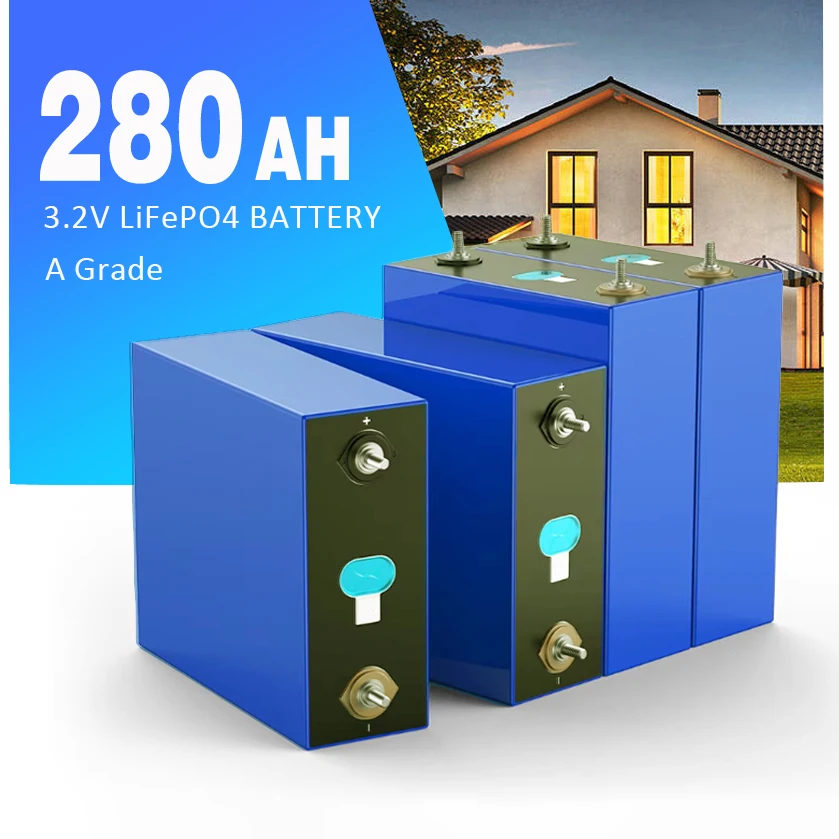
Intrinsic Thermal Stability: How the LFP Olivine Structure Prevents Thermal Runaway
Stable P-O Covalent Bonds and Oxygen Retention Under Thermal Stress
LFP batteries, also known as Lithium Iron Phosphate, have this special olivine crystal structure held together by really strong P-O bonds that are some of the toughest around in lithium battery chemistry. These bonds help keep oxygen locked in place even when things get pretty hot, say over 250 degrees Celsius. Compare that to other types like NMC, NCA, or LCO batteries where oxygen starts escaping around just 200 degrees. Now here's why that matters: free oxygen can actually fuel dangerous chemical reactions that lead to fires. Because LFP doesn't release oxygen so easily, it basically stops the whole chain reaction that causes batteries to catch fire. That means even if something goes wrong and the battery gets super hot or there's an internal short circuit, LFP cells won't start a fire that keeps spreading on its own. This makes them much safer for important applications where reliability is key, such as storing energy from solar panels at large scale installations or powering electric cars.
Higher Thermal Runaway Onset Temperature (~270°C) vs. NMC/NCA (~210°C) and LCO
LFP cathodes start thermal runaway around 270 degrees Celsius, which is about 60 degrees hotter than what happens with NMC/NCA and LCO cathodes that tend to go unstable closer to 210 degrees. That extra 28% temperature buffer isn't just a small difference either. It actually gives safety systems valuable extra seconds to spot problems and take action before things get completely out of hand. Research on electrochemical stability shows there's a clear connection between this temperature gap and fewer fires happening in actual installations. This matters especially in places where temperatures swing back and forth throughout the day or when backup cooling systems aren't available.
Robust Abuse Tolerance: LFP Performance Under Mechanical Stress
Puncture and crush resistance without ignition or fire propagation
LFP battery packs stand out in terms of how well they handle physical stress because their olivine cathode just doesn't break down easily. When subjected to standard nail penetration tests with a 3mm diameter at 10mm per second speed or crushed under forces exceeding 100kN, these batteries simply don't catch fire, emit smoke, or produce flames. Even worse scenarios where they're overcharged or exposed to high temperatures beforehand still result in nothing happening dangerously. The reason behind this remarkable durability lies in LFP's chemical makeup. Those strong phosphorus-oxygen bonds stay put until around 270 degrees Celsius, which means there's no oxygen being released to fuel fires like happens with nickel rich alternatives. Real world testing confirms what lab results suggest too many times already. LFP modules keep working properly electrically speaking and hold together structurally even after being pushed beyond normal limits such as 130 percent overcharge conditions or experiencing shocks equivalent to 50G forces. Problems tend to stay contained inside single cells rather than spreading throughout the entire pack.
Minimal gas generation and low flame spread in nail penetration tests
In UL 1642 nail penetration testing, LFP cells generate dramatically less hazardous off-gas and zero sustained flame compared to cobalt- or nickel-based alternatives:
| Test Parameter | LFP Performance | NMC/NCA Performance |
|---|---|---|
| Max Surface Temperature | <150°C | >700°C |
| Flame Duration | 0 seconds | >120 seconds |
| Gas Emission Volume | ≈0.5L/Ah | ≥2.5L/Ah |
Lack of flammable electrolyte breakdown paths means there's also no metallic lithium plating during regular operation, which keeps overall combustion energy below 10% compared to similar NMC cells. Adding pressure relief vents along with internal firebreaks makes sure flames don't spread beyond the faulty cell itself. This containment feature is really important for batteries packed closely together in storage units or electric vehicle packs where safety margins need to be tight.
Cathode Chemistry Advantage: Why LFP Is Safer Than Other Lithium and Lead-Acid Batteries
What makes LFP (Lithium Iron Phosphate) so safe starts right down at the atomic level. The olivine phosphate cathode has these stable P-O bonds instead of those unstable metal-oxygen layers found in other materials. Take NMC or NCA cathodes for instance. Their nickel and cobalt oxides tend to break down when temps hit around 210 degrees Celsius, releasing oxygen as they go. But LFP holds together until about 270 C, which basically takes away one of the main things that can cause thermal runaway problems. When we compare it to old school lead-acid batteries, LFP just doesn't have those same risks hanging over it. No worries about sulfuric acid leaks, no hydrogen gas coming out while charging, and definitely no chance of terminals corroding and sparking arcs. And here's another big plus point nobody talks about enough: there's absolutely no cobalt involved. Cobalt is actually connected to all sorts of issues like oxygen production reactions and faster heat breakdown in many lithium types. All these built-in chemical benefits mean LFP stands apart from the crowd, especially important for places where safety matters most, systems need to last forever, and failures should happen predictably rather than unexpectedly.
System-Level Safety Integration: BMS, PCM, and Mechanical Design in LFP Battery Packs
Smart BMS functions tailored for LFP’s flat voltage curve and wide SOC window
The unique 3.2 volt rating and flat discharge curve of LFP batteries makes them tricky to work with since they maintain usable charge from around 20% all the way up to 100%. Regular methods for estimating state of charge just don't cut it because there's hardly any voltage difference throughout most of their usage cycle. That's why top LFP battery systems combine several approaches together - counting the actual charge passing through plus tracking voltage changes adjusted for temperature fluctuations, along with some smart learning algorithms that get better over time. These systems typically hit within plus or minus 3% accuracy on their readings. The PCM component plays a critical role too by setting hard boundaries for each cell. When cells go above 3.65 volts or drop below 2.5 volts, MOSFET switches kick in immediately to protect against dangerous chemical reactions like lithium plating or copper dissolving. Maintaining these tight controls isn't just good practice, it's absolutely necessary if manufacturers want to reach those impressive 6,000 cycle life claims while keeping things safe and stable under various operating conditions.
Mechanical safeguards: IP67-rated enclosures, pressure relief vents, and flame-retardant materials
Safety in lithium iron phosphate (LFP) battery packs comes from multiple protection layers working together. The outer shell made of IP67 rated aluminum keeps moisture and dust out, making them suitable for both outdoor installations and vehicles on the move. Inside, special partitions constructed from UL94 V-0 materials help stop fires from spreading between cells. Even though LFP batteries produce about 86 percent less gas compared to nickel manganese cobalt (NMC) when mishandled, there are built-in pressure relief valves that kick in around 15 to 20 psi to avoid dangerous ruptures. When facing extreme heat situations, ceramic fiber barriers come into play. These can handle temperatures up to 1,200 degrees Celsius and actually slow down heat movement to neighboring cells for well over half an hour. All these safety measures not only meet the strict UN38.3 transportation requirements but also make it possible to install these batteries safely in tight spaces where many people might be present.
FAQ
What is thermal runaway in batteries?
Thermal runaway is a situation where a battery undergoes uncontrolled internal reactions, often leading to excessive heat generation and potentially causing fire or explosion.
Why are LFP batteries considered safer?
LFP batteries have a stable olivine structure with strong P-O bonds that prevent oxygen release at high temperatures, reducing the risk of thermal runaway and fire.
How do LFP batteries handle mechanical stress?
LFP batteries exhibit strong durability under mechanical stress, showing no ignition during puncture or crush tests due to their robust chemical and physical design.
What safety measures are integrated in LFP battery packs?
LFP battery packs feature smart BMS functions, IP67-rated enclosures, pressure relief vents, and flame-retardant materials to enhance safety and stability.
Table of Contents
- Intrinsic Thermal Stability: How the LFP Olivine Structure Prevents Thermal Runaway
- Robust Abuse Tolerance: LFP Performance Under Mechanical Stress
- Cathode Chemistry Advantage: Why LFP Is Safer Than Other Lithium and Lead-Acid Batteries
- System-Level Safety Integration: BMS, PCM, and Mechanical Design in LFP Battery Packs
- FAQ