
 EN
EN
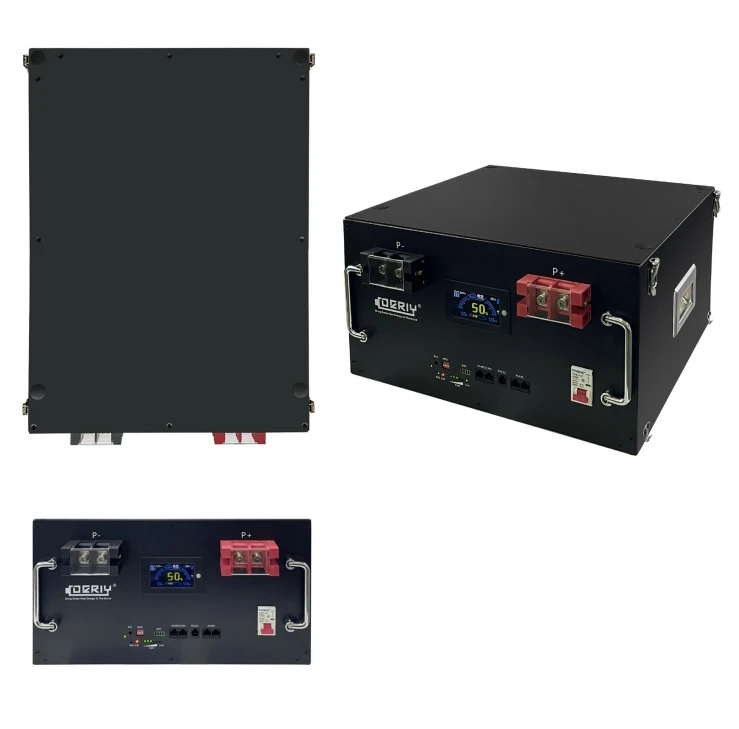
Matching 7kWh Lithium Battery Capacity to Real Residential Energy Demand
Sizing for Typical 4-5kW Solar Arrays and Evening Load Coverage
The 7kWh lithium battery works really well with residential solar setups around 4 to 5 kW in size, something we see quite often in single family homes these days. These systems generally produce about 16 to 20 kWh each day in areas with average weather conditions. What makes this battery so useful is how it fills that important window between what solar panels make during daylight hours and what people actually need when the sun goes down. Most households end up using somewhere between 5 and 7 kWh at night just for basic stuff like lights, keeping food cold, watching TV, and running other necessary appliances. According to research done by folks at the National Renewable Energy Laboratory, roughly seven out of ten American homes equipped with rooftop solar panels don't even need more than 7 kWh of storage space to hit over 80 percent energy independence. That means this particular battery size isn't just good from a technical standpoint but also makes financial sense for most homeowners. And because it can deliver around 5 kW continuously, families can run several big power hungry devices all at once without having to switch back to regular electricity supply lines.
Usable Energy Delivery: How 90%+ DoD Delivers ~6.3kWh for Nighttime Self-Consumption
Lithium batteries—especially LiFePO₄—safely deliver 90-95% of their nominal capacity, unlike lead-acid units limited to ~50% Depth of Discharge (DoD). For a 7kWh lithium unit, this means ~6.3kWh of usable energy—precisely aligned with typical nighttime consumption. The efficiency advantage compounds across key performance dimensions:
| Battery Chemistry | Nominal Capacity | Typical DoD | Usable Energy |
|---|---|---|---|
| Lithium (LiFePO₄) | 7kWh | 90% | 6.3kWh |
| Lead-Acid | 7kWh | 50% | 3.5kWh |
This higher usable capacity supports 8+ hours of essential load coverage after sunset. Lithium’s near-zero self-discharge (<1% per month) preserves stored solar energy for actual use—not loss—and reduces cycling frequency, extending operational lifespan by up to three times compared to lead-acid alternatives.
Superior Technical Performance of 7kWh Lithium Battery Systems
LiFePO₄ Advantages: 6,000+ Cycles, >95% Round-Trip Efficiency, and Thermal Stability
The lithium iron phosphate (LiFePO4) chemistry is what makes modern 7kWh home battery systems so dependable and long lasting. These batteries can handle around 6,000 complete charge cycles before dropping below 80% of their original capacity. That means they last about three times longer than traditional lead-acid batteries and generally beat out most NMC based options when used regularly day after day. Efficiency is another strong point with these units converting almost all the solar energy they store into actual usable power. The losses are really minimal compared to other battery types where efficiencies typically hover between 85% and 90%. What sets LiFePO4 apart safety wise is its stable phosphate structure which prevents dangerous thermal runaway situations. Homeowners can install these batteries safely indoors or in garages since they work fine even when temperatures reach up to 60 degrees Celsius without needing any special cooling systems. This combination of safety features and reduced maintenance costs makes them particularly attractive for residential applications.
Integrated BMS and Low Maintenance vs. Lead-Acid or NMC Alternatives
All 7kWh lithium batteries come equipped with a built-in Battery Management System or BMS for short. This system keeps track of things like cell voltage levels, how hot each cell gets, and what percentage charged it currently is. What does this mean? Well, it stops problems like overcharging, letting cells drain too much, or causing short circuits. No need for all the regular maintenance work that goes along with old fashioned lead acid batteries either. Those require adding water every three months, cleaning terminals, dealing with corrosion issues constantly. Lithium batteries are different though. They're completely sealed systems that don't release gases and won't corrode over time. When looking at options between different types, LiFePO4 batteries actually last longer than NMC versions because they degrade more slowly. This means the BMS doesn't have to step in so often, making everything run smoother in the long run. Homeowners who want something reliable without having to worry about upkeep find these batteries absolutely perfect for their needs.
Economic Value: ROI, Payback, and Long-Term Cost Savings of a 7kWh Lithium Battery
Upfront Investment ($8,500-$11,500) vs. Lifetime Cost per kWh Stored
A standard 7kWh lithium battery usually costs somewhere between $8,500 and $11,500 when installed. Sure, this is more expensive than old school lead-acid batteries, but looking at the big picture tells a different story. The long term cost works out to around $0.15 to $0.20 per kilowatt hour stored. That's actually cheaper than what most Americans pay for electricity at retail prices (which range from $0.17 to $0.30 per kWh). And during those super expensive peak hours when everyone's running their air conditioners, these batteries save even more money. The reason? These LiFePO4 batteries can handle over 6,000 charge cycles while maintaining more than 95% efficiency throughout. This means they lose very little capacity over time and waste almost no energy. According to data from the US Department of Energy's storage database, many systems are still going strong after 15 years of regular daily use. What started as a big investment turns into real energy freedom down the road.
Maximizing Bill Savings Under Time-of-Use Rates and Avoiding Grid Dependency
The time of use electricity pricing model opens up some serious money saving chances for folks who own lithium batteries. When homeowners charge their batteries when electricity is cheap or even free during those sunny days, then discharge them later at night when rates shoot up, they typically cut their power bills anywhere from half to almost three quarters off. Take this scenario for instance: someone stores solar power costing about ten cents per kilowatt hour or sometimes nothing at all, then uses it when the grid charges forty five cents. That gives them around thirty five cents worth of savings per kilowatt hour. Looking at the big picture over fifteen years, these smart moves can slash thousands off total electricity costs while also providing peace of mind during power cuts. People with a decent sized 7kWh lithium battery aren't just saving money either. They actually get protected against unpredictable rate changes, problems with the local power company's equipment, and those annoying extra fees that keep going up every year.
Practical Deployment: Installation Flexibility and Future-Proof Scalability
Lithium battery systems rated at 7kWh provide really good installation options for most homes. These units take up about 30 percent less space and weigh way less than traditional lead-acid alternatives, so people can actually mount them on walls inside garages, utility rooms, or other cramped mechanical areas where there isn't much room to spare. The system design works like building blocks too. Homeowners often start with just one 7kWh unit and then add more as needed down the road. Best part? No need to replace existing inverters or do major rewiring when expanding storage capacity. Plus, smart software keeps these investments relevant over time. Regular firmware updates sent wirelessly help fine tune how batteries charge, introduce new features for interacting with the power grid (like joining virtual power plants), and adjust settings based on what local utilities are offering lately—all this happens without having to buy new hardware components.
FAQ
What size solar array works best with a 7kWh lithium battery?
A 7kWh lithium battery is well-suited for solar setups between 4 to 5 kW, which typically produce about 16 to 20 kWh daily.
How much usable energy can I expect from a 7kWh lithium battery for nighttime usage?
With a Depth of Discharge of 90% or more, you can expect approximately 6.3kWh of usable energy, which aligns with typical nighttime consumption.
How long do 7kWh lithium batteries typically last?
They can handle around 6,000 complete charge cycles, often lasting about three times longer than traditional lead-acid batteries.
Is it more economical to install a 7kWh lithium battery despite the high upfront cost?
Yes, despite the initial investment of $8,500 to $11,500, the long-term costs per kWh stored become cheaper than retail electricity prices, offering substantial savings over time.
Can 7kWh lithium batteries be installed in small spaces?
Yes, these batteries take up about 30% less space than traditional lead-acid alternatives and can be wall-mounted in small areas like garages or utility rooms.
Table of Contents
-
Matching 7kWh Lithium Battery Capacity to Real Residential Energy Demand
- Sizing for Typical 4-5kW Solar Arrays and Evening Load Coverage
- Usable Energy Delivery: How 90%+ DoD Delivers ~6.3kWh for Nighttime Self-Consumption
- Superior Technical Performance of 7kWh Lithium Battery Systems
- Economic Value: ROI, Payback, and Long-Term Cost Savings of a 7kWh Lithium Battery
- Upfront Investment ($8,500-$11,500) vs. Lifetime Cost per kWh Stored
- Maximizing Bill Savings Under Time-of-Use Rates and Avoiding Grid Dependency
- Practical Deployment: Installation Flexibility and Future-Proof Scalability
- FAQ