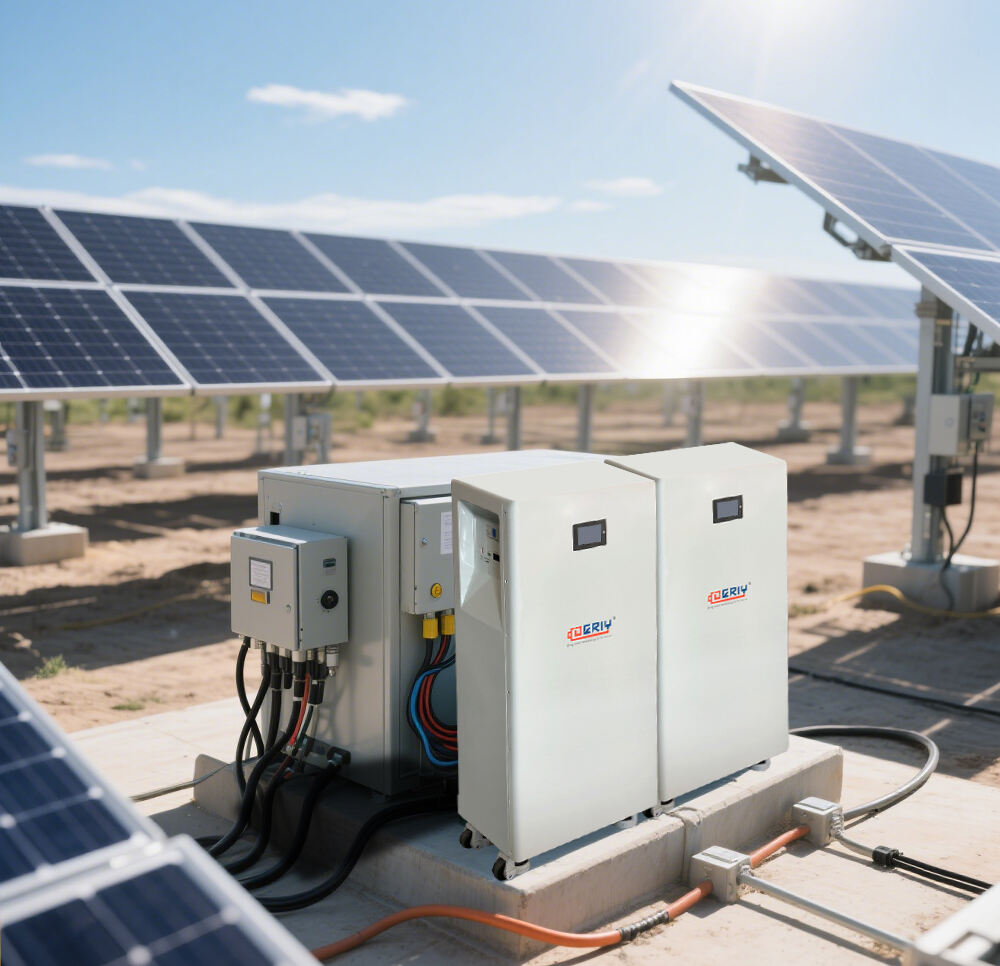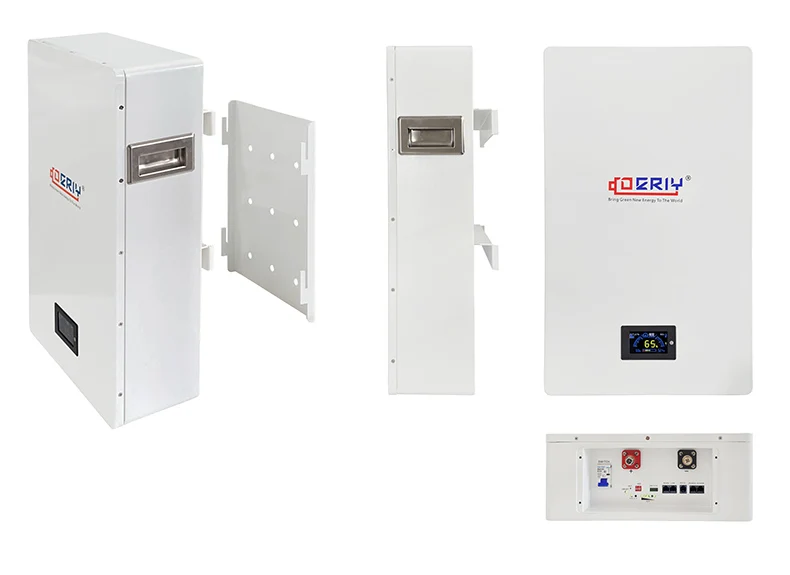


The inverter is the indispensable partner to the solar battery, acting as the brain and the translator of the energy system. While the battery stores energy as Direct Current, virtually all household and commercial appliances run on Alternating Current. The inverter's primary role is to convert the DC power from the battery into clean, stable AC power for use on-site. In a solar-charging scenario, it also converts AC power from the grid or DC power from the solar panels into the correct form to charge the battery. There are two main architectures: a hybrid inverter, which combines the functions of a solar inverter and a battery inverter into a single unit, and a dedicated battery inverter (or bi-directional inverter) that works alongside a standard solar inverter. The choice between them affects system efficiency, cost, and flexibility for expansion. Key specifications for a battery inverter include its continuous and surge power ratings, its peak efficiency, and the waveform of its AC output, with a pure sine wave being essential for sensitive electronics. The compatibility between the inverter and the battery is paramount, as they must communicate seamlessly via a defined protocol. For guaranteed compatibility and peak system performance, we recommend selecting a pre-validated inverter-battery pair. Contact us for a list of certified compatible inverters for our storage solutions.