
 EN
EN
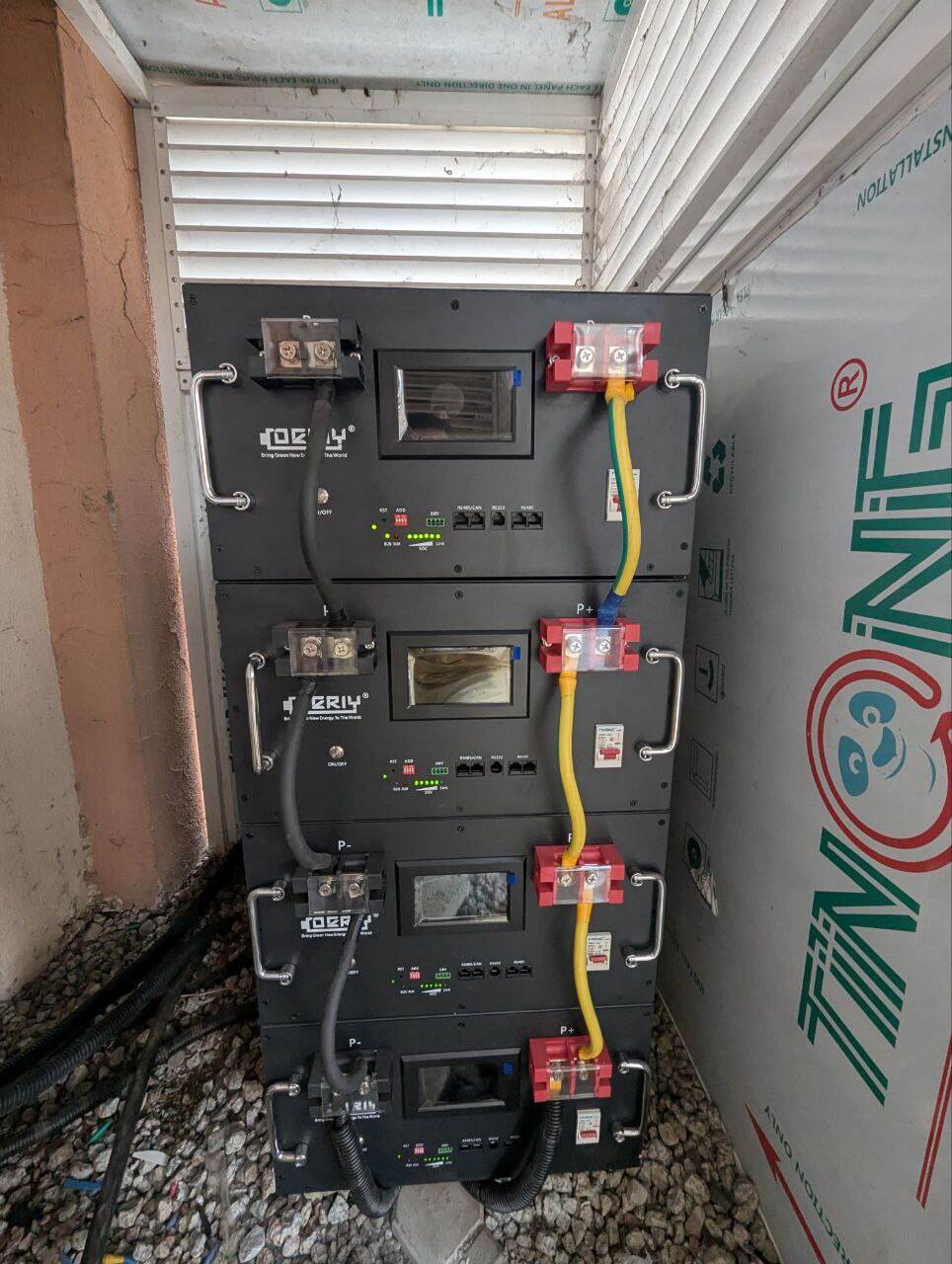
Why Stackable Lithium Battery Systems Enable Scalable Solar Storage
The Demand for Incremental Growth: Homeowners and Installers Prioritize Flexibility Over Oversizing
More and more people are steering clear of installing batteries that are too big for their homes because nobody wants to spend extra money on something they don't need. According to some studies from Ponemon in 2023, when folks go overboard with battery size, it ends up costing around $740,000 wasted on each installation. That's just not smart when we're talking about the initial cost plus faster wear and tear from using them only part time. These days, both regular folks putting solar panels on their roofs and the pros who do this work tend to prefer lithium battery setups that can be expanded later. Start with what fits current needs and then add more storage as energy demands actually grow. This method cuts down on wasted cash and keeps things running smoothly even when energy requirements change throughout different seasons or when someone decides to get an electric car down the road.
Modular Architecture Explained: Seamless Capacity Expansion Without Inverter Replacement or Rewiring
Stackable lithium batteries utilize standardized modules that interconnect through plug-and-play interfaces, enabling capacity upgrades without infrastructure modifications. Unlike traditional battery banks requiring complete system replacement to scale, stackable designs allow users to:
- Add parallel modules to increase kWh storage while maintaining voltage compatibility
- Expand capacity in under 30 minutes versus multi-day rewiring projects
- Preserve existing inverters and balance-of-system components
Modular design changes how we think about energy storage, turning what was once a costly fixed expense into something that grows with our needs. Take a regular home for instance. Someone might start with a basic 5kWh setup and then just stack another unit on top when they need more power down the road. No complicated rewiring required and no paying those $2000 plus labor charges that come with expanding traditional batteries. By removing all those technical hurdles, installers can now provide systems that scale up as people's budgets allow, making clean energy storage accessible to many more households without breaking the bank.
How to Stack a Stackable Lithium Battery: Configuration, Performance, and Safety Trade-offs
Parallel vs. Series Stacking: Effects on Total kWh, Continuous kW Output, and System Redundancy
When batteries are connected in parallel, they keep the same voltage level but just keep adding more capacity. Each additional stackable lithium battery module simply adds to the total kWh available without changing the system's voltage at all. What this means is that power output goes up in direct proportion to how many modules we add. However there's a catch here too because proper current balancing becomes absolutely critical across all these units. On the other hand, connecting batteries in series works differently. Voltage keeps climbing as we add more modules which makes sense for applications needing higher power delivery. But there's a tradeoff since each module's capacity basically sets the limit for the whole system. When it comes to reliability, parallel configurations have a clear advantage. If one module fails, the rest can still keep running partially. Series connected systems aren't so forgiving though. A single faulty unit can bring down the entire string. According to some recent testing published last year, parallel systems maintained operation about 92% of the time during simulated failures compared to just 67% for series connected ones. And let's not forget about heat management either. Once we start stacking more than four units together, thermal control gets much harder no matter whether they're wired in series or parallel.
Voltage Scaling Challenges: Efficiency Gains vs. UL 9540A Certification and Thermal Management Complexity
Boosting voltages via series stacking cuts down on resistive losses around 15 percent according to recent NREL research from last year, though this comes at the cost of dealing with those pesky UL 9540A certification issues. Designers working on these systems face growing challenges when it comes to containing fires as voltage levels rise, especially worrying about arc flash dangers once we get past 150 volts. When stacking modules tightly together, thermal runaway can spread quickly. Heat management gets tricky too since each additional vertical module in an enclosed area reduces cooling effectiveness by roughly 30%. Safety auditors have noted that certification paperwork becomes significantly more complicated whenever there's a 100 volt jump over standard 48 volt systems. This creates tough decisions for installation teams who need to balance better efficiency against the mountain of paperwork and compliance costs, particularly during retrofit projects where available space makes proper cooling almost impossible sometimes.
Lithium Iron Phosphate (LFP) as the Dominant Chemistry in Stackable Lithium Battery Modules
LFP chemistry has pretty much taken over as the go-to option for stackable lithium battery systems because it just makes sense from both safety and cost perspectives. The thing about nickel or cobalt alternatives? They tend to have all sorts of stability issues. With LFP, we're looking at a much safer cathode material that basically eliminates those nasty thermal runaway problems everyone worries about, especially important when dealing with multiple battery modules crammed into tight spaces. And let's talk about how long these things last. Most LFP batteries can handle between four thousand to eight thousand charge cycles before their performance drops below 80%, which means fewer replacements needed as storage needs grow. From a money standpoint, LFP wins again. Iron and phosphate are everywhere compared to rare metals like cobalt, cutting production costs around 30%. Plus, there's less need for complicated cooling systems since LFP doesn't generate as much heat. Looking at actual deployment numbers, LFP accounted for roughly 80% of new large scale battery installations by mid-2023. Makes sense really – who wouldn't want batteries that stay safe, degrade predictably, and stack neatly without needing fancy voltage balancing tricks?
Integrating Stackable Lithium Battery Packs into Existing Solar and Microgrid Infrastructure
Retrofitting Legacy Systems: Compatibility Requirements, Communication Protocols, and Common Limitations
When upgrading older solar or backup power systems with today's stackable lithium batteries, there are really three main things that need checking out first. The voltage has got to match up right. Most old school 48V lead acid setups just won't play nice with newer LiFePO4 modules without some kind of voltage matching interface somewhere in the mix. Then there's the whole communications thing between what's already there and the new battery management system. Standard stuff like CANbus or RS485 needs to be compatible across both sides if we want proper monitoring and those safety features to work together properly. And let's not forget about space issues either. A lot of older installations run into problems when trying to expand because cabinets aren't big enough or airflow isn't sufficient for the extra equipment. We've seen this happen time and again where folks think they can just drop in new batteries but end up needing to reconfigure entire panels or even relocate components.
Common pitfalls include:
- Inverter communication mismatches blocking real-time data exchange
- Undersized conduits or breakers unable to handle increased current flow
- Lack of UL 9540A certification for thermal runaway containment in tight spaces
Projects neglecting these compatibility checks face 30-50% cost overruns from unplanned electrical upgrades. Prioritizing batteries with auto-detection logic and protocol-agnostic BMS significantly reduces integration complexity for legacy retrofits.
FAQ
What are the benefits of using stackable lithium battery systems?
Stackable lithium battery systems allow for scalability, which lets users start with a suitable size for their immediate needs and expand as those needs grow. This approach avoids overspending on unnecessary capacity and facilitates smooth upgrades without significant infrastructure changes.
How do stackable lithium batteries differ from traditional battery systems?
Traditional battery systems often require complex and costly modifications to expand capacity, while stackable lithium batteries use modular designs that allow for quick and easy upgrades without the need for inverter replacement or extensive rewiring.
What are some challenges with integrating stackable lithium battery systems into existing setups?
Challenges include ensuring voltage compatibility, proper communication protocols between new and existing systems, and sufficient space for additional modules. Retrofitting older systems may require addressing these issues to prevent costly overruns and inefficiencies.
Table of Contents
- Why Stackable Lithium Battery Systems Enable Scalable Solar Storage
- How to Stack a Stackable Lithium Battery: Configuration, Performance, and Safety Trade-offs
- Lithium Iron Phosphate (LFP) as the Dominant Chemistry in Stackable Lithium Battery Modules
- Integrating Stackable Lithium Battery Packs into Existing Solar and Microgrid Infrastructure
- FAQ