
 EN
EN
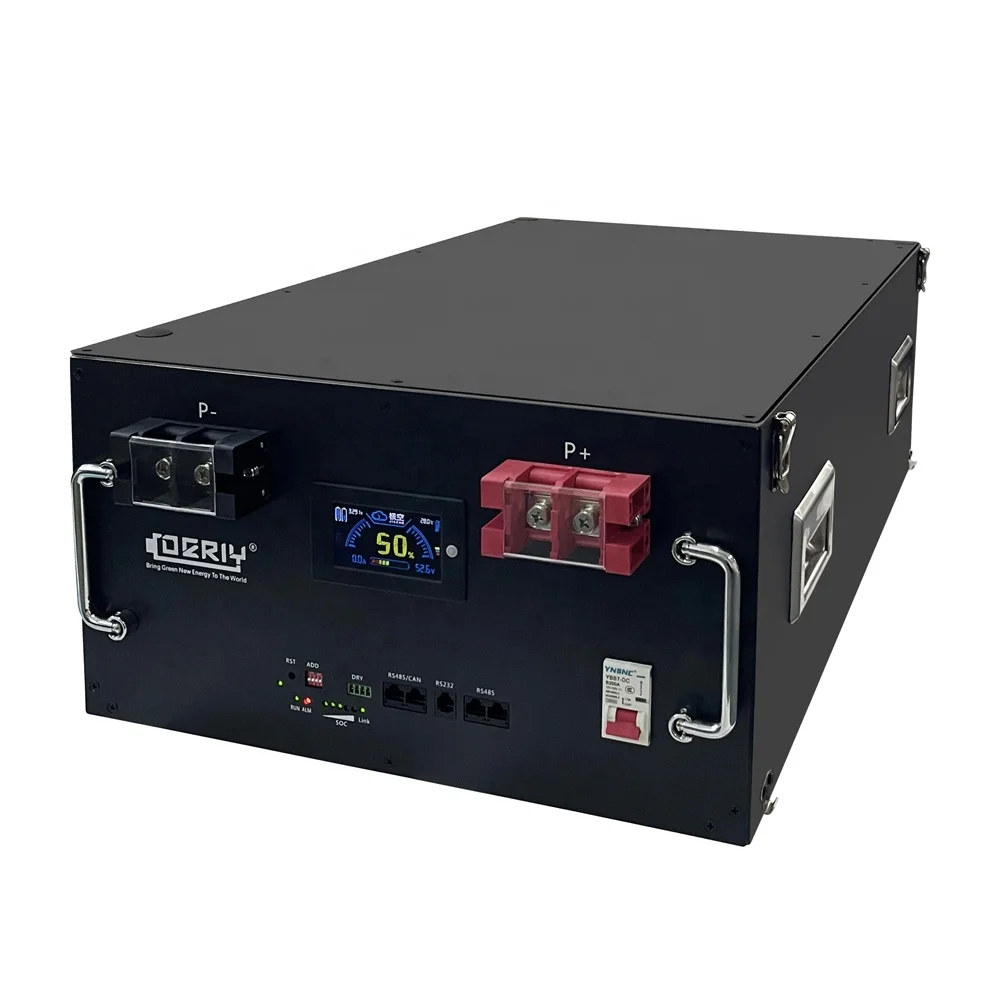
Energy Arbitrage: Cutting Electricity Bills with Time-of-Use Optimization
How 15kWh stackable lithium battery packs store off-peak power for peak-hour use
Time of use electricity rates can really drive up costs sometimes, with prices jumping anywhere from three to five times more during those busy afternoon hours compared to late at night, particularly noticeable here in California. What this means for people is they can actually save money by using batteries smartly. For instance, someone might charge their 15kWh lithium battery pack when electricity costs around $0.15 per kilowatt hour at night, then let it power their home during those pricey daytime hours when rates hit about $0.45 per kWh. These modular systems work great because homeowners can just add more modules as needed based on how much power they typically use each day, so nobody ends up spending too much upfront cash while still getting pretty good efficiency overall. When those peak times roll around, the system takes care of running important stuff like air conditioners and big appliances through stored energy instead of drawing from the expensive grid power, all without making anyone uncomfortable or cutting back on reliable service.
Real-world savings: $1,240/year case study using two 15kWh stackable lithium battery packs + solar
A California household combining rooftop solar with two 15kWh stackable lithium battery packs achieved $1,240 in annual savings through coordinated energy arbitrage. The system stored surplus solar generation and low-cost off-peak grid power, offsetting 92% of peak-hour consumption. Key savings components included:
| Savings Component | Annual Reduction |
|---|---|
| Peak consumption costs | $680 |
| Grid demand fees | $410 |
| Solar curtailment loss | $150 |
This dual-battery configuration delivered full system payback in 6.2 years–demonstrating how modular storage transforms volatile TOU rate structures into predictable, long-term savings.
Scalable Sizing: Why Modular 15kWh Stackable Lithium Battery Packs Prevent Costly Oversizing
The Mismatch Problem: 73% of Homeowners Overestimate Initial Storage Needs
A lot of people end up buying way more energy storage than they really need when setting up their systems. The SolarsUp report from last year found something pretty interesting about this trend. Around three quarters of homeowners actually install systems that are bigger than what makes sense for their homes. This ends up costing them more money upfront but doesn't give them much extra benefit in return. Why does this happen? Well, many folks just aren't very good at figuring out exactly how much power they'll use over time. Plus, most available options come in set sizes that don't adjust well to changing needs. People tend to go for the larger option just in case, even though it means wasting money on unused capacity. These fixed size systems tie up cash that could be better spent elsewhere, make it take longer before seeing any real savings, and leave little room to upgrade later on as needs change.
Efficiency Retention: Each Added 15kWh Stackable Lithium Battery Pack Maintains >94% Round-Trip Efficiency
The modular approach tackles the problem of oversized systems by allowing for exact, step-by-step expansions when needed. When households start needing more power storage because they're getting electric vehicles, switching to electric appliances, or installing bigger solar arrays, all that's required is adding one more 15kWh lithium battery pack to the setup. These units keep over 94 percent efficiency during charging and discharging according to tests done at Dynapower Labs last year. What makes this different from those mixed setups where old and new batteries get combined? Well, with stacking design, everything stays consistent in terms of voltage levels, the battery management system works together properly, discharge happens evenly across all units, and heat distribution remains balanced throughout. This means better performance overall and longer life expectancy for the whole battery bank.
Incentive Stacking: Boosting ROI Through Grid Services and Utility Programs
Earning revenue: Behind-the-meter participation in frequency regulation markets (e.g., NYISO)
For homeowners who own compatible energy storage systems, there's actually money to be made through participation in wholesale grid services. Take for instance the frequency regulation markets run by NYISO in New York. Lithium batteries work particularly well in these scenarios because they respond almost instantly, allowing them to push or pull power from the grid really fast when needed to keep everything balanced. The pay isn't exactly set in stone across different regions, but what we're seeing is that this kind of service works hand in hand with regular energy trading practices. It basically creates another source of income sitting right there at home, all while people go about their normal lives without noticing anything different happening with their electricity usage.
Demand charge avoidance: How three 15kWh stackable lithium battery packs cut $280–$410/year in fees
Demand charges are basically fees that come from looking at a customer's maximum power usage over short periods like 15 or 30 minutes. These charges often make up between 30 to 70 percent of what people pay for electricity both in businesses and homes. Using three modular 15kWh lithium battery packs stacked together helps cut down on these costs. The batteries release stored energy during those expensive peak times when utilities define high demand usually around 2 to 6 in the afternoon. This reduces how much power needs to be drawn from the grid and keeps customers from moving into pricier rate categories. Adding solar panels to the mix makes things even better as it smooths out energy consumption patterns throughout the day while also cutting back on wasted energy. According to research methods developed by NREL, combining all this equipment typically saves somewhere between $280 and $410 each year on average.
FAQs
What is energy arbitrage?
Energy arbitrage involves storing electricity during low-cost periods (off-peak times) and using it during high-cost periods (peak times) to save money on electricity bills.
How do 15kWh stackable lithium battery packs help in reducing electricity costs?
These battery packs store electricity when it is cheaper to buy (off-peak) and use it to power your home during more expensive periods (peak), helping to cut down on electricity costs.
Can I expand my battery storage as my energy needs grow?
Yes, you can add more 15kWh battery packs as your energy needs increase, allowing for a modular expansion without the need for oversizing initially.
What are demand charges?
Demand charges are fees based on the maximum power usage over short periods and often form a significant part of electricity bills. Using battery storage to manage consumption during peak times can help avoid these charges.
How can participating in frequency regulation markets be beneficial?
Homeowners with compatible energy storage systems can earn revenue by providing balancing services to the grid, such as participating in frequency regulation markets, which can supplement savings on electricity bills.