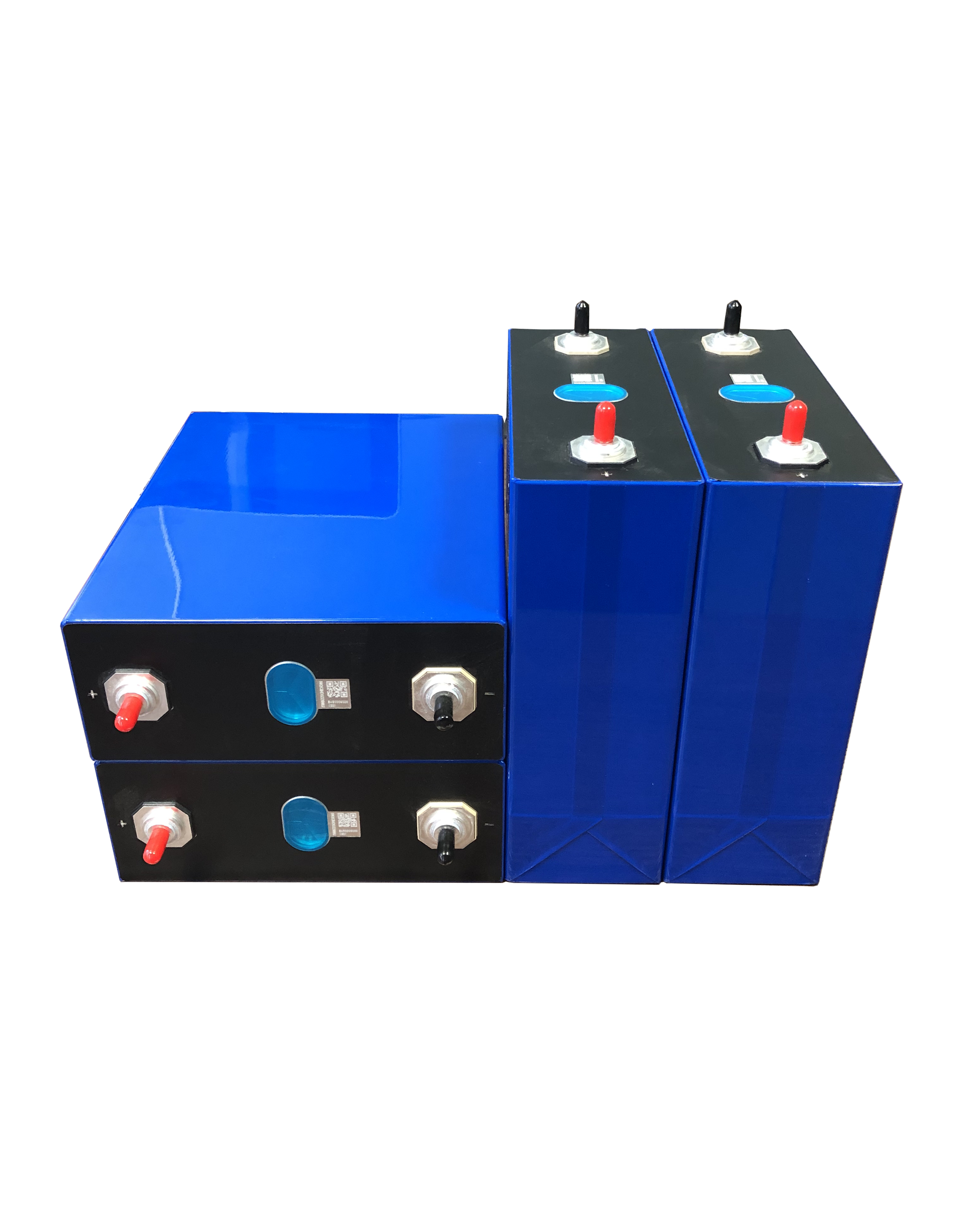
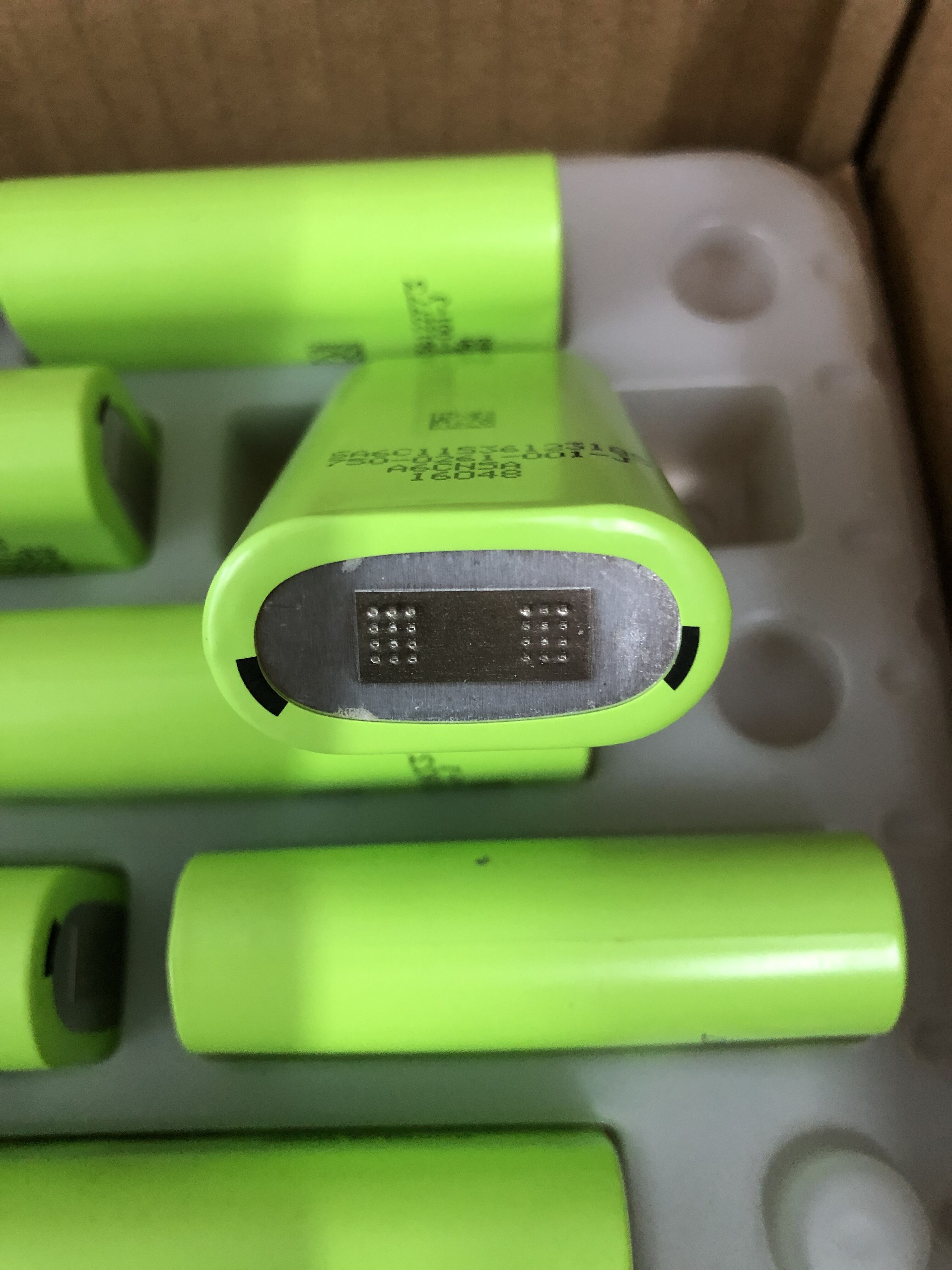
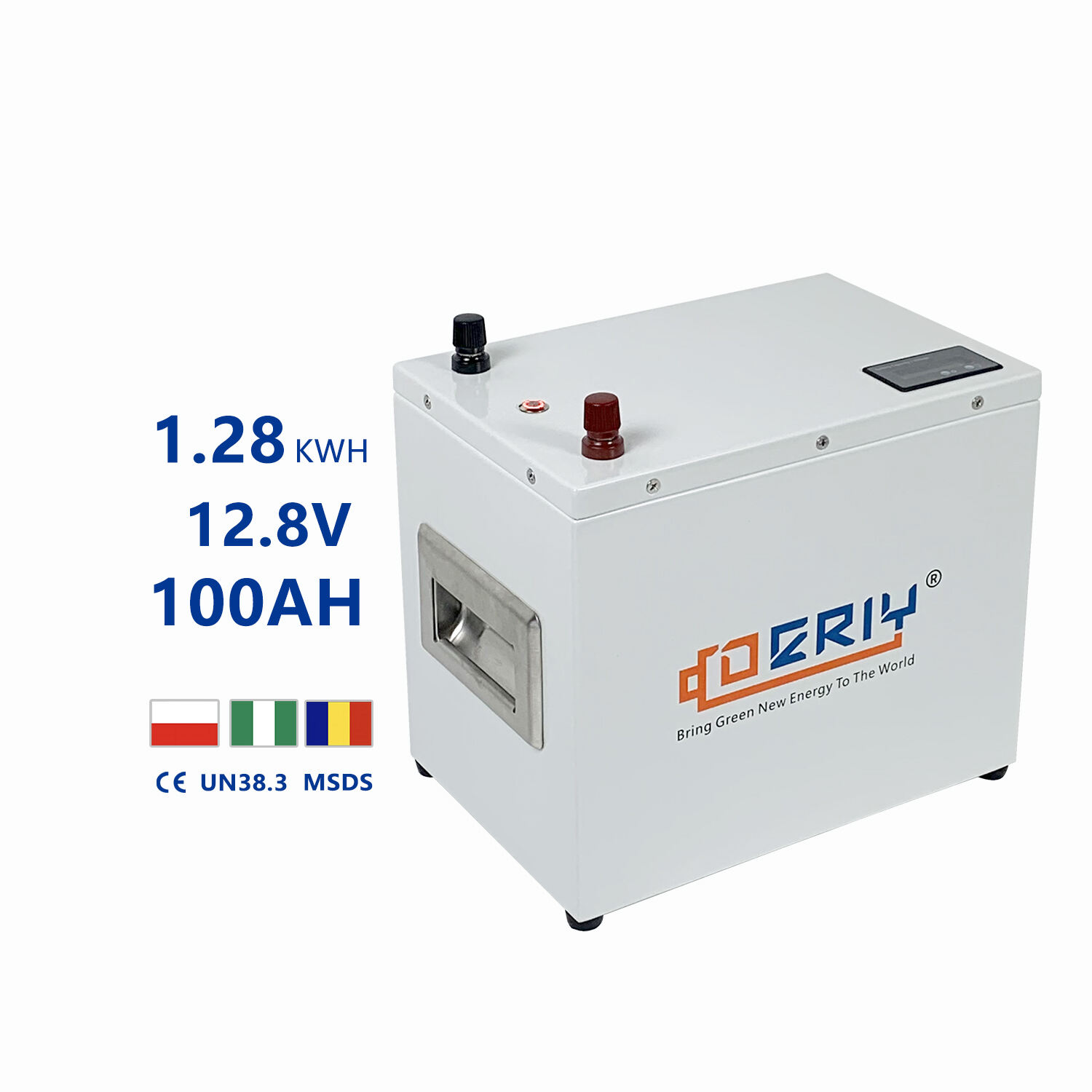
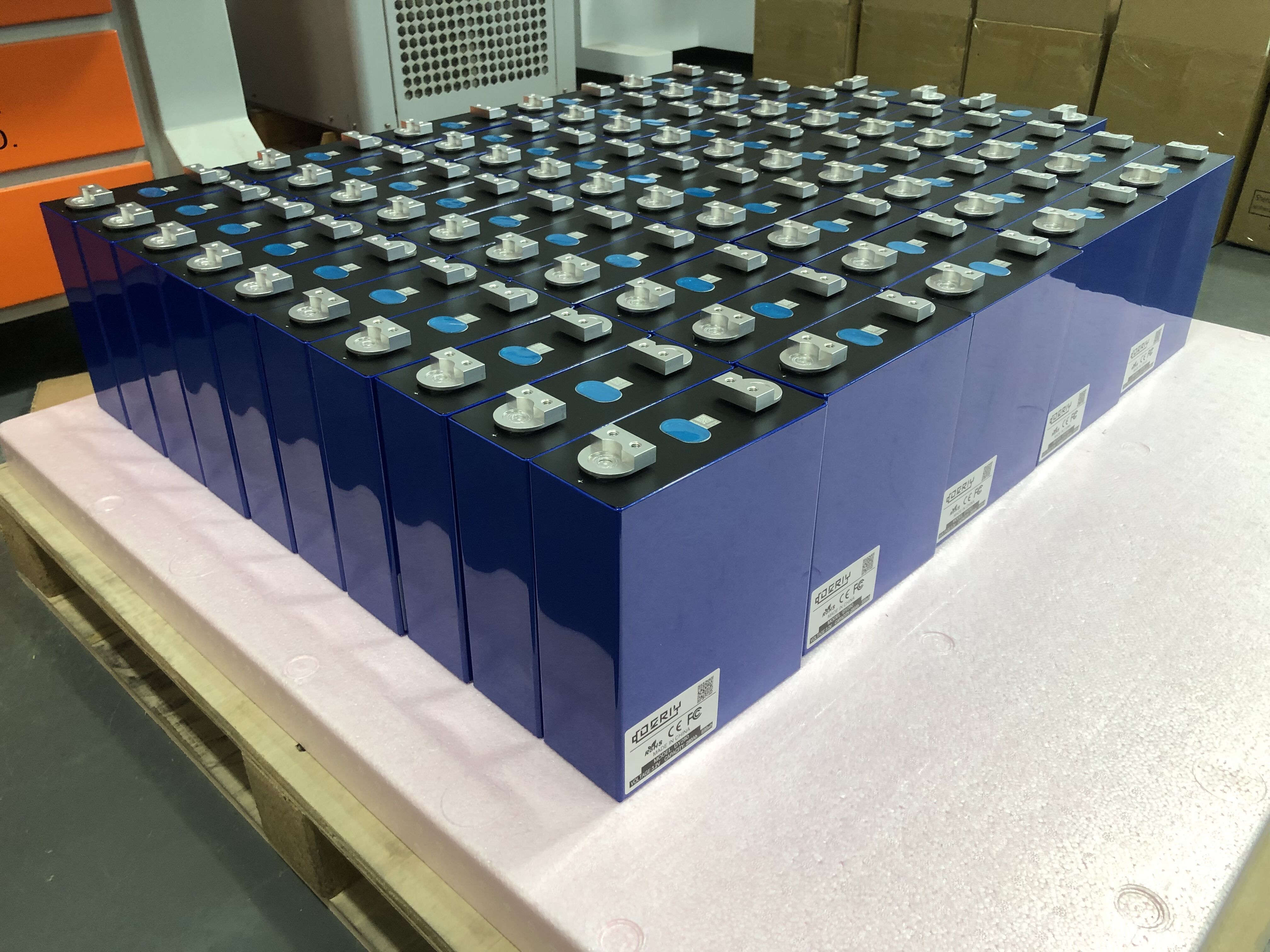
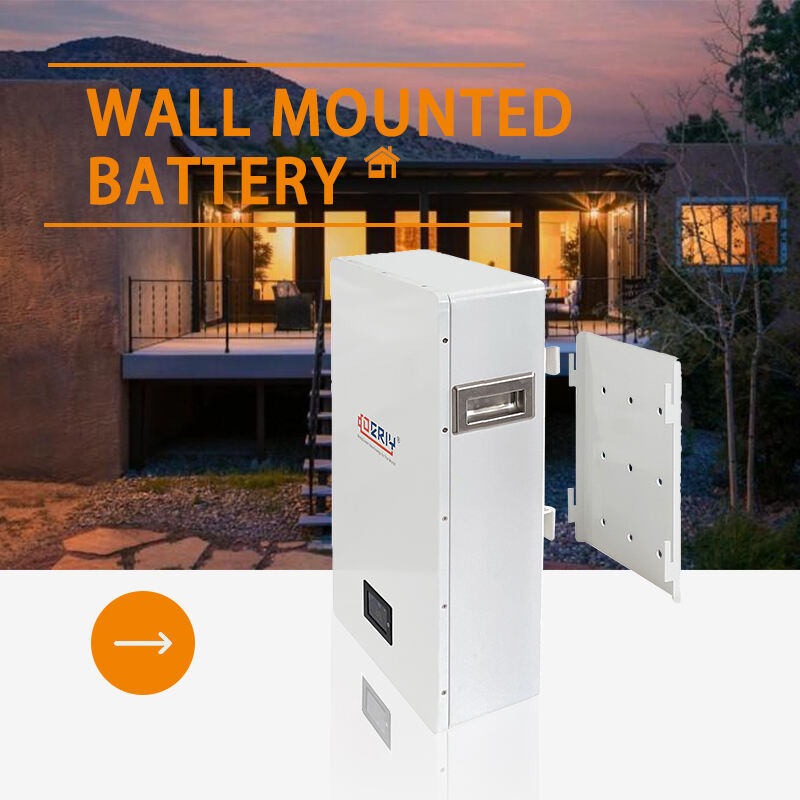
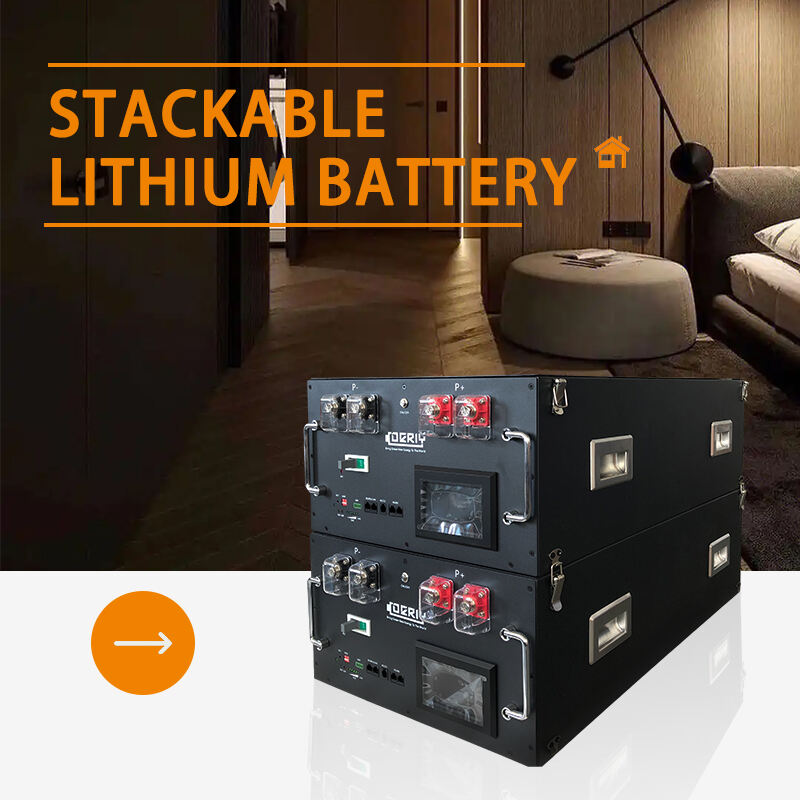
When designing stackable lithium battery packs, modularity really comes down to building standardized units that work on their own but also fit together nicely when bigger systems are needed. Each module actually has its own battery management system, handles temperature control, and includes safety mechanisms so they can just be plugged in wherever required. What makes this approach so useful is that people can start small with basic setups and then expand storage capacity over time without tearing everything apart and starting fresh. Traditional fixed capacity options don't offer this flexibility at all. With modular designs, technicians can service or replace individual modules instead of dealing with whole systems, which cuts down on both downtime and long term expenses. Plus, because all these modules share the same electrical connections and physical dimensions, they perform reliably whether someone installs one alone or builds out an entire array of them side by side.
Energy storage becomes much more adaptable when we think about modular scalability. Companies often begin with smaller systems and then grow them over time as their needs actually develop, instead of trying to guess what might happen next year. This approach works really well for solar farms, big office buildings, and any operation where power demands fluctuate throughout the day. By stacking modules vertically, businesses save valuable floor space while still increasing total storage capacity. From an electrical standpoint, connecting batteries in parallel gives more Ah capacity without changing the voltage, whereas series connections simply increase voltage levels. These options let engineers fine tune the system based on exactly what the facility requires. What we get in the end is an energy storage setup that grows right along with business operations, making sure investments keep pace with real world demands rather than sitting unused or becoming obsolete too quickly.
| Feature | Stackable Lithium Battery Packs | Fixed-Capacity Battery Packs |
|---|---|---|
| Scalability | Incremental expansion possible | Fixed capacity, no expansion |
| Space Efficiency | Vertical stacking optimizes footprint | Requires additional space for more capacity |
| Cost Structure | Phased investment as needs grow | Large upfront investment |
| Maintenance | Individual module replacement | Full system replacement often needed |
| Future-Proofing | Adapts to evolving technology | Becomes obsolete with changing requirements |
| Installation Flexibility | Deploy in various configurations | Limited to original specification |
Stackable systems offer superior adaptability, lower total cost of ownership, and long-term value. Although fixed-capacity packs may have marginally lower initial costs per unit, their inflexibility leads to premature replacement and higher lifecycle expenses, diminishing any short-term savings.
A medium sized factory first put in place a 30 kilowatt hour stackable lithium battery setup back when they wanted to cut down on those expensive peak demand fees and have some emergency power ready. When their output jumped around 40 percent within just two years, they simply tacked on four extra modules to reach 90 kWh total. The best part? They didn't need to mess with any of their current wiring or infrastructure at all. Adding these modules ended up costing about 60 percent less than what a brand new separate system would have required, plus workers managed everything during Saturday and Sunday shutdowns so there wasn't a single day lost in production. With better control over those high usage periods and smarter timing for when electricity rates are cheapest, overall energy expenses dropped nearly 28 percent. What this shows is that companies can grow their energy storage capacity right alongside business expansion thanks to these modular battery systems.
Lithium battery packs that stack together offer pretty good control over both voltage levels and overall capacity through simple series and parallel arrangements. When connected in series, these packs boost the total voltage output, going from regular 48V home systems right up to those heavy duty industrial ones that hit 200 volts and beyond. Parallel connections work differently by increasing storage capacity while keeping the same voltage level throughout. The real advantage here is that businesses don't have to completely rebuild their entire power systems just because their needs grow or shift over time. Most modern packs come with built-in Battery Management Systems too. These smart technologies keep everything balanced during charge and discharge cycles, so every module works properly no matter how big or complicated the setup becomes. That kind of reliability makes a huge difference in long term operations.
Stackable systems offer remarkable flexibility when it comes to customizing energy solutions for different industries. For homes going solar, most folks stick with 48 volt setups for their storage needs and emergency backup power. Businesses needing more juice generally go for systems between 120 and 240 volts to handle those bigger electrical loads. Then there are industrial facilities where things get really interesting – places running three phase power or operating heavy machinery often need the muscle of 380 to 480 volt arrays. A recent report from Energy Storage in 2023 found something pretty impressive too: companies that switch to these stackable options install them about 40 percent quicker than traditional fixed systems. That means getting money back sooner and keeping equipment running longer without interruptions.
When battery arrays expand in size, keeping everything running smoothly becomes really important. Modern battery management systems keep an eye on things like how charged each module is, what temperature they're operating at, and various other health indicators so all parts stay in sync. The system also has ways to manage heat buildup before it becomes a problem, plus smart software that makes sure charging and discharging happens evenly across all modules. Field tests indicate good designs can maintain around 98% efficiency even when scaled up to full capacity. This kind of performance makes these systems trustworthy enough for applications where failure isn't an option, from data centers to manufacturing plants where downtime costs money.
Lithium battery packs that can be stacked vertically save a ton of space compared to traditional setups. Rather than taking up floorspace like most batteries do, these systems go up instead of out, which is huge for apartments in cities, office buildings, and those telecom centers everyone keeps talking about. They're built to stay stable even when stacked high, plus they handle heat really well so nothing overheats or catches fire. Each individual battery module works together through an onboard management system, meaning the whole stack delivers power consistently no matter how many layers there are. For places dealing with tight spaces but needing more electricity all the time, this kind of vertical stacking solution just makes sense.
Space is always at a premium in densely packed cities, which makes conventional energy storage solutions pretty much impossible to fit. Stackable lithium batteries offer a workaround for this problem since they can squeeze into places like garages, utility rooms, or even tucked away in basement corners. These systems grow upwards rather than taking up floor space, so they work well in tight spots. Most installations have around three 5kWh units stacked together, giving somewhere between 15 and 20kWh worth of storage capacity all within the footprint of what would normally be taken up by just one fridge. City dwellers can now store their own solar power, cut down on dependency from the main electricity grid, and manage their energy usage during peak hours without having to give up precious living space. Plus, people don't need to commit to a full system right away either. They can begin with something smaller and add more modules as needed, which helps make renewable energy options feasible for more urban households looking to go green but constrained by limited room.
Stackable lithium batteries work great with off grid solar setups because they store extra power when the sun is shining bright and then release it when needed at night or during cloudy days. These packs come in modules so people can start small and just add more as their electricity needs grow over time. That makes them good choices whether someone is building something from scratch or upgrading an existing system. Recent studies from early 2024 show combining these stackable batteries with solar panels really boosts how independent homeowners become from traditional grids while saving money in the long run. This trend supports wider acceptance of clean energy solutions across different markets.
Stackable lithium battery systems make a big difference for remote islands and far flung communities where power reliability is often an issue. These setups help strengthen the local grid while cutting back on reliance those expensive diesel generators that many places still depend on. What makes them so useful is their modular design. As populations grow, these systems can expand right along with them, keeping microgrids running smoothly even as demand increases. Most importantly, when paired with solar panels and wind turbines, these battery banks allow villages to maintain electricity supply for critical needs like hospitals, schools, and emergency communications networks. This matters a lot during storms or other disruptions that might last days without backup power.
On a small island in the Caribbean Sea, folks put together a solar plus storage microgrid project beginning with just a 50kWh stackable battery setup. When people started needing more power, they simply added modules one at a time until it reached 200kWh total capacity. Best part? No one lost electricity during these upgrades and there was no need to tear anything apart and rebuild from scratch. This expansion cut down on diesel generator usage by almost all - about 90% according to their records - and now gives reliable electricity 24/7 to around 300 households. What happened here caught attention elsewhere too. Other islands looking for cleaner energy solutions have begun copying this approach as they try different ways to make their grids work better against storms and fuel shortages.
More cities are turning to stackable lithium battery packs to protect essential services when the grid goes down. These battery systems keep lights on in hospitals, emergency response facilities stay operational, and water treatment continues even during major power cuts. What makes them stand out is their modular nature - they can be quickly installed where needed and expanded as requirements grow. Plus, these batteries work well with solar panels and wind turbines, helping local governments meet their green energy targets. When towns build these resilient microgrid networks, communities become better prepared for blackouts without relying solely on fossil fuels. Stackable batteries aren't just backup solutions anymore; they're becoming standard equipment for forward thinking urban planners who want to create smarter, more sustainable cities.
What are stackable lithium battery packs?
Stackable lithium battery packs are modular energy storage systems designed to adapt to growing energy needs by adding more modules over time, making them highly expandable and sustainable.
Why is modularity important in battery design?
Modularity allows for easy expansion, custom configurations, and simplified maintenance, providing flexibility and efficiency in energy management.
How do stackable batteries benefit commercial facilities?
They enable scalable energy storage solutions that grow with business demands, reduce costs, and support energy optimization strategies.
Can stackable lithium batteries be used in residential applications?
Yes, they are ideal for residential setups, especially where space is limited, allowing storage capacity expansion as needed.
How do stackable batteries integrate with renewable energy systems?
They complement solar and wind power setups by storing excess energy for use during low production periods, enhancing grid independence.
 Hot News
2025-05-20
2025-04-09
2025-02-22

Shenzhen Deriy New Energy Technology Co., Ltd. provides high-quality lithium battery packs for diverse industries. Our aging tests ensure long service life and stability. Partner with us for success.
Company Address:602-604, Building C, Innovation Plaza, No. 2007 Pingshan Avenue, Pingshan District in china guangdong shenzhen
Factory Address:Floor 13 and 14, Building 1, Zhigang Chengfa Industrial Park, No. 11 Dongsheng South Road, Chenjiang Street, Zhongkai High-tech Zone, Huizhou City, Guangdong Province, China
Copyright © 2025 by Shenzhen Deriy New Energy Technology Co., Ltd. Privacy Policy
 EN
EN